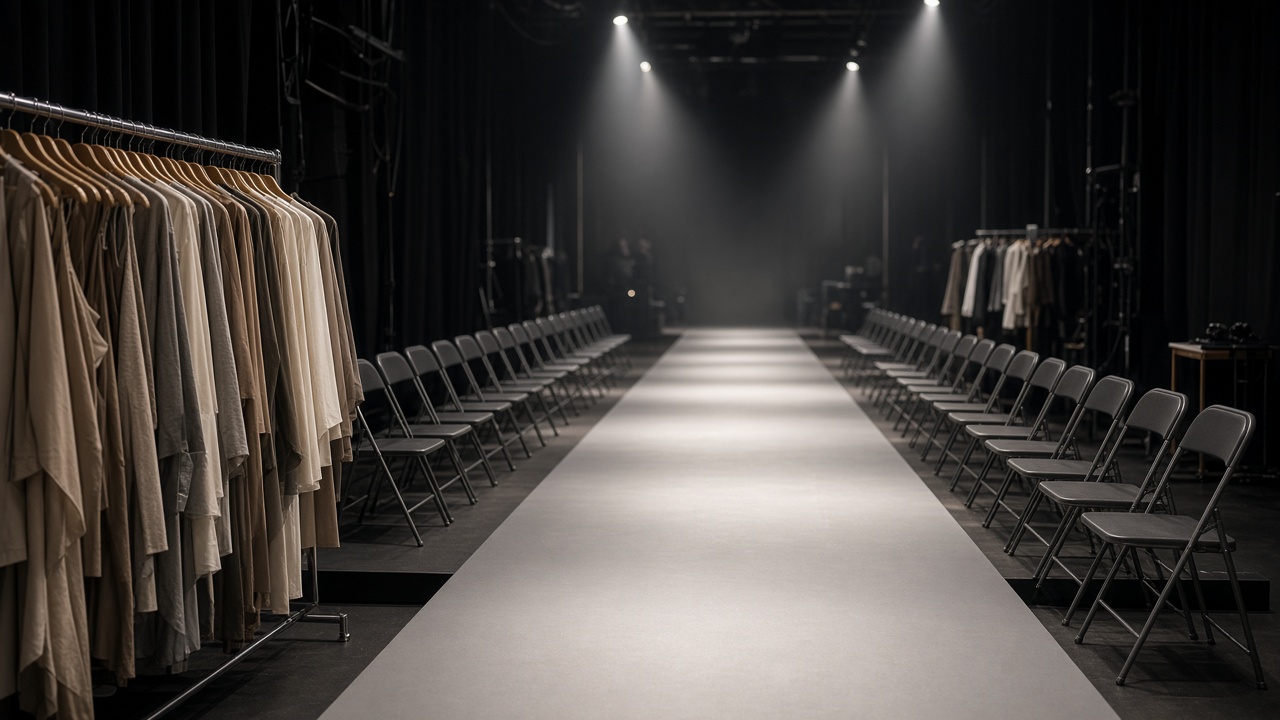
Taipei Fashion Week closed its Spring/Summer 2027 season Sunday with roughly 29,000 visits across runway shows, trade booths, and designer open studios, according to organizers cited by Central News Agency. Buyers emphasized quick-turn domestic labels that can replenish bestsellers within weeks, a shift from prior years when European delivery timelines dominated sourcing conversations.
What visitors saw
The program mixed established houses with emerging designers experimenting in recycled polyester and plant-dyed cotton, reflecting retailer demand for sustainability claims that survive customs checks. Several showcases partnered with night-market vendors for accessories, blending street culture with export-ready collections. Organizers extended public hours on the final weekend after Saturday foot traffic exceeded projections.
Commercial follow-through
Department store buyers from Taipei and Taichung said they placed test orders for capsule collections to hit stores before Lunar New Year shopping peaks. Online platforms hosted livestreamed trunk shows, converting runway attention into same-day preorders for limited sizes. Designers who own small factories in Taoyuan and Changhua pitched two-week reorder cycles as a hedge against shipping disruptions that still rattle overseas suppliers.
International presence
Japanese and Southeast Asian buyers attended in smaller delegations than pre-pandemic peaks but signed more exclusive distribution memos for niche footwear brands. Organizers scheduled virtual showroom tours for European partners who skipped travel during France’s unrest week, keeping cross-border interest alive without onsite attendance.
City branding
Taipei’s tourism bureau counted fashion week visitors in its October event statistics, arguing that creative industries complement the tech trade fairs that usually fill hotels. Hotels near Songshan Cultural Park reported higher weekend occupancy tied to backstage teams and influencers.
What comes next
Organizers will publish buyer contact matchmaking results in November, helping emerging labels secure retail shelf tests. For Taiwan’s garment sector, the 29,000-visit tally signals that local speed and sustainability storytelling can compete with imported luxury calendars—even as the industry keeps one eye on typhoon season supply chains.
Several designers said they will shift fabric deliveries to central Taiwan warehouses if northeastern ports close during Champi, a contingency that would have been costly before domestic logistics firms expanded cold-storage trucking.
Designer takeaways
Emerging labels said buyers asked for smaller minimum orders with faster repeats, a post-pandemic habit that favors Taipei manufacturers over bulk offshore factories. Sustainability certifications displayed at booths drew questions from Japanese buyers comparing Taiwan’s recycled-fiber claims with EU labeling rules.
Venue economics
Songshan Cultural Park vendors reported higher food and beverage sales during evening shows, while hotels offered fashion-week hotel packages that bundled runway tickets with airport transfers. Organizers said they will keep the public trade hall open one extra day for students after professional buyers depart, extending outreach beyond the 29,000-visit headline figure.
Retail partnerships
Department stores in Xinyi and Nangang set pop-up rails featuring looks that debuted on the runway, giving shoppers immediate access without waiting for wholesale deliveries. Credit-card issuers co-sponsored lounge areas for buyers, a reminder that fashion week is also a payments and logistics showcase for Taipei's retail economy.
Organizers will release attendance breakdowns by day once ticket scans are audited.