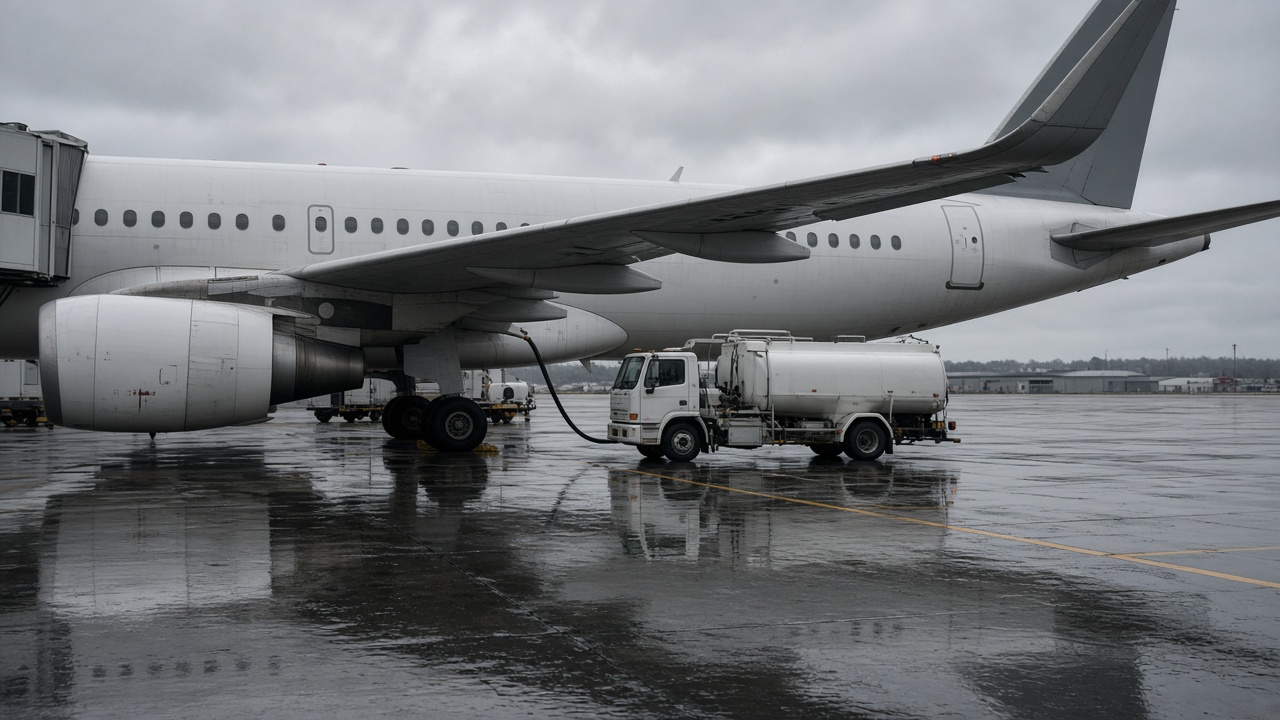
United Airlines Holdings is scheduled to release third-quarter 2026 earnings after the closing bell Tuesday, and traders are already repricing airline stocks around crude oil trading near $100 a barrel.
What investors expect from United
United told investors in a September 30 notice that it will post results after market close on October 20 and host a webcast at 10:30 a.m. Eastern on October 21. Consensus estimates compiled by financial data firms point to about $2.57 in adjusted earnings per share on roughly $17.9 billion in revenue, compared with $2.78 per share on $15.2 billion a year earlier.
Even a modest beat on revenue may not lift the stock if management trims fourth-quarter margin guidance because of fuel. Airlines hedge only a portion of their consumption, meaning spot price spikes flow through to operating costs with a lag of weeks, not quarters.
Why oil is back in the cockpit
Energy markets have stayed elevated as traders weigh Middle East supply risks and higher seasonal demand. The Associated Press reported Monday that U.S. equity investors were simultaneously cheering a rebound in artificial-intelligence stocks and worrying about inflation tied to costlier crude.
For carriers, jet fuel is the largest variable expense after labor. When oil rises faster than ticket prices, unit margins compress—especially on domestic leisure routes where fare increases face stiff competition from discounters.
Sector setup heading into the print
The prior week was bruising for large-cap tech, which dragged the Nasdaq composite down sharply. The S&P 500 finished Monday at 7,690.73, up 0.41% on the session, but airline names have historically traded more with oil futures than with the index level.
Investors will listen for United’s commentary on corporate travel demand, trans-Atlantic yields, and how much fuel hedging remains for the December quarter. Any mention of capacity growth slowing to protect fares could be read as bullish even if earnings merely meet expectations.
What holders should watch on the call
Beyond EPS, focus on unit revenue versus unit cost growth—the gap that determines whether airlines are passing fuel surcharges through. United’s premium cabin and loyalty program have cushioned past shocks; management may highlight card partnerships and paid seat upsells as offsets.
Debt watchers will also ask about capital spending on new wide-body deliveries. Higher fuel can delay retirement of older, less efficient jets if replacement aircraft are late from Boeing or Airbus.
If you own the stock—or just the miles
Retail holders should remember that earnings-day volatility often peaks in the first hour after results, when initial headlines focus on a single adjusted metric. Read the investor update PDF for fuel price assumptions and capacity guidance before reacting.
For flyers, earnings season rarely changes tomorrow’s fares, but sustained oil above $100 can eventually show up in fuel surcharges on international tickets and in reduced award-seat availability as airlines conserve margin. Booking holiday travel earlier remains the practical hedge.