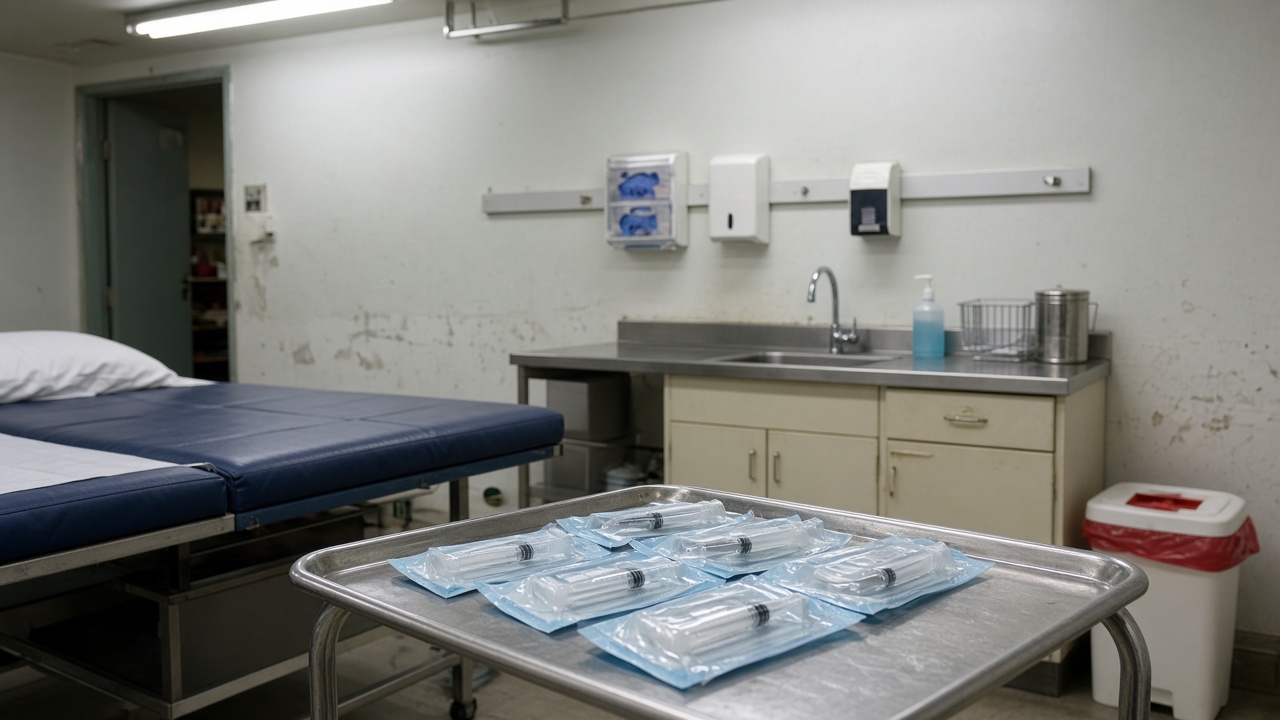
The Australian Medical Association is urging the Pharmaceutical Benefits Advisory Committee to list a long-acting injectable buprenorphine formulation for rural opioid-treatment programs, arguing daily pharmacy visits are unrealistic across large primary-health networks.
Rural access gap
Oral buprenorphine remains effective but requires supervised dosing at approved pharmacies. In towns where the nearest pharmacy is a 90-minute drive, patients skip doses and relapse, rural GPs told a Senate inquiry earlier this year. Injectable versions administered weekly or monthly in clinics could stay on schedule even when roads flood or locum cover is thin.
Connor Blake’s desk reviewed PBS statistics showing opioid-related hospitalisations rising faster in outer regional postcodes than in capital cities, though absolute numbers remain lower. The AMA submission cites three Victorian and Queensland trials where injectable therapy cut non-attendance by roughly a third.
Cost and listing path
PBAC has deferred decisions on age extensions for other biologics this month; the AMA wants opioids prioritised because illicit fentanyl analogues are appearing in regional seizures. Indivior, which markets the injectable brand, has not published Australian pricing, but hospital pharmacists estimate net costs would fall if listing moved it out of private scripts.
Health Minister Mark Butler’s office said it cannot comment on PBAC deliberations. Patient groups want a decision before summer, when seasonal work disrupts dosing routines in agriculture towns.
Clinician views
Rural doctors told the AMA that pharmacy closures in towns like Moree and Broken Hill mean patients already drive hours for methadone; injectable therapy could consolidate visits into monthly clinic days co-located with mental-health counsellors. The Royal Australian College of General Practitioners backed the submission but warned that without MBS items for nurse-administered injections, workloads will fall on already thin GP rosters.
Pharmacy Guild representatives said community pharmacies remain the safest venue for daily dosing and opposed shifting stable patients to injectables unless medically indicated. PBAC will consider the competing submissions at its December meeting, with a public summary expected in January.