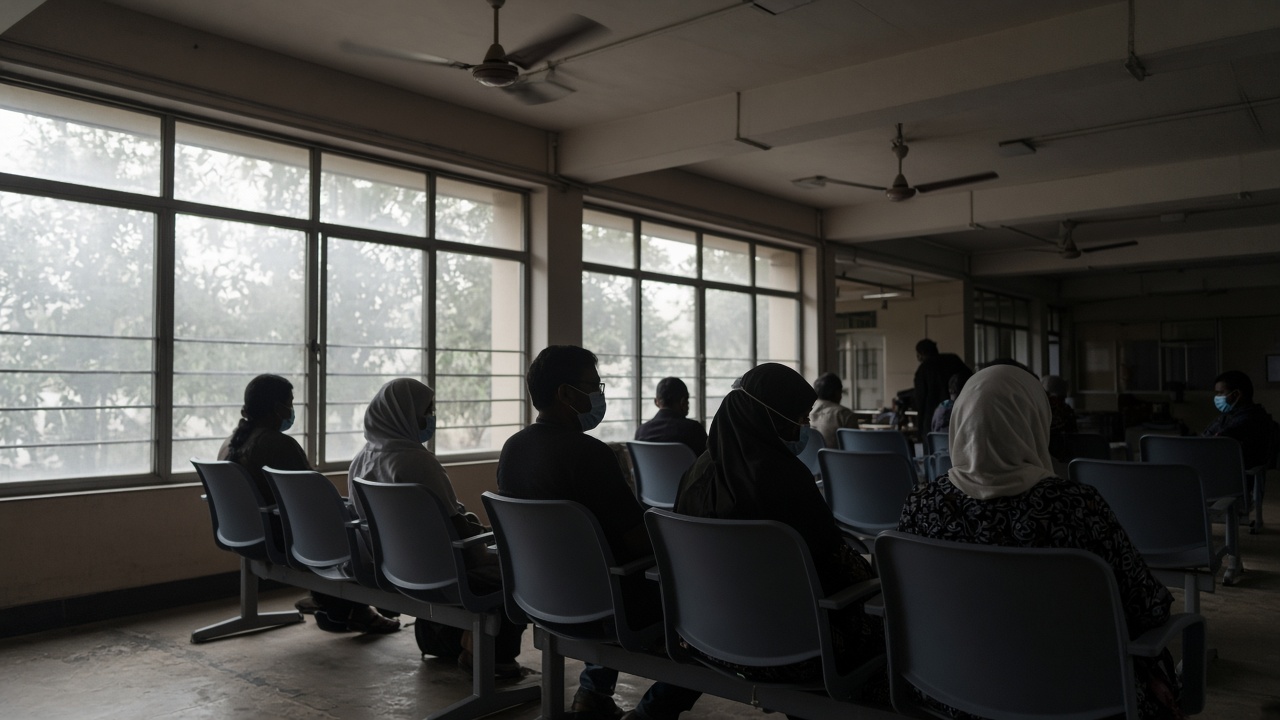
Chennai hospitals are treating fevers that test positive for both dengue and influenza in the same patient, stretching recovery beyond the usual five-day dengue course as the Northeast monsoon delivers its first heavy spells.
Dr Suresh Kumar, senior consultant in infectious diseases at Apollo Hospitals, said 15% to 25% of recent fever cases show that overlap, with some patients developing hepatitis or altered mental status even though most eventually recover with supportive care.
What doctors are seeing on wards
Government physicians report a spike in thrombocytopenia — low platelet counts — that may reflect dengue, chikungunya or leptospirosis when confirmatory tests are unavailable in public clinics. Mortality has stayed low, they said, but length of stay rises when two viruses circulate together.
Dr Sowmya Sridharan at Kauvery Hospital said flu volumes eased slightly after the second week of October, yet dengue admissions remain high, including severe dehydration and organ dysfunction when families wait until day four or five of fever to seek care.
Delhi and national context
Municipal data for early October showed 98 new dengue cases in Delhi in the first week of the month, taking the capital's tally to 695 for the year. Vector-control teams warn that post-monsoon water containers keep Aedes mosquitoes breeding well into October, not only during peak rains.
Researchers continue to study whether chronic air pollution worsens dengue outcomes; a multi-country paper in Environmental Pollution linked high PM2.5 exposure to higher case-fatality rates, though clinicians caution that under-reporting and hospital capacity confound the link.
Practical guidance for families
Doctors advise paracetamol under medical guidance, avoiding combination painkillers that stress the liver. Warning signs for children include lethargy, persistent vomiting, abdominal pain and reduced urine output — triggers to reach a hospital even if the child still walks.
Preventive steps mirror every monsoon: empty stagnant water, use mosquito nets, and boil or filter drinking water when gastroenteritis risk rises with flooded streets. Flu vaccination is recommended, though Dr Kumar noted a short supply of trivalent shots with quadrivalent alternatives available.
What hospitals are preparing
Private chains keep isolation beds and platelet transfusion stocks ready, while government facilities triage with rapid antigen tests where kits exist. Coinfection makes ward cohorting harder because influenza demands respiratory precautions dengue-only bays may lack.
With Chennai's first monsoon downpours already flooding low-lying roads, clinicians expect another two to three weeks of mixed fever presentations before cooler nights slow mosquito activity. Early testing on day three of fever remains the cheapest way to avoid ICU transfers.