India’s permanent delegation to UNESCO added three sites to the country’s World Heritage tentative list on Tuesday, opening a years-long path toward full nominations for an Andaman Islands geologic complex and a Chhattisgarh heritage zone.
What entered the pipeline
The delegation said the new entries are the Karst-mud-volcano Complex of Baratang and the Andaman Subduction Volcanoes in the Andaman and Nicobar Islands, along with the Sirpur Cultural and Archaeological site in Chhattisgarh. Inclusion on the tentative list is required before India can submit a formal dossier to UNESCO’s World Heritage Committee.
The Archaeological Survey of India led technical work on the submissions, the delegation said in a statement dated Oct. 20. Officials credited field surveys, boundary mapping and management plans that describe how each site would be protected if inscribed.
Why the Andaman sites matter
Baratang’s mud volcanoes and associated karst terrain are among the few surface expressions of active subduction processes visitors can reach in the island chain. Scientists have long argued the formations illustrate how sediment and gas escape along the plate boundary east of the archipelago.
Listing the broader Andaman Subduction Volcanoes alongside Baratang ties India’s nomination to regional tectonic context rather than a single tourist stop. Local authorities will now need to reconcile heritage protections with existing forest reserves and tribal-area access rules that already govern parts of the islands.
Sirpur’s second chance
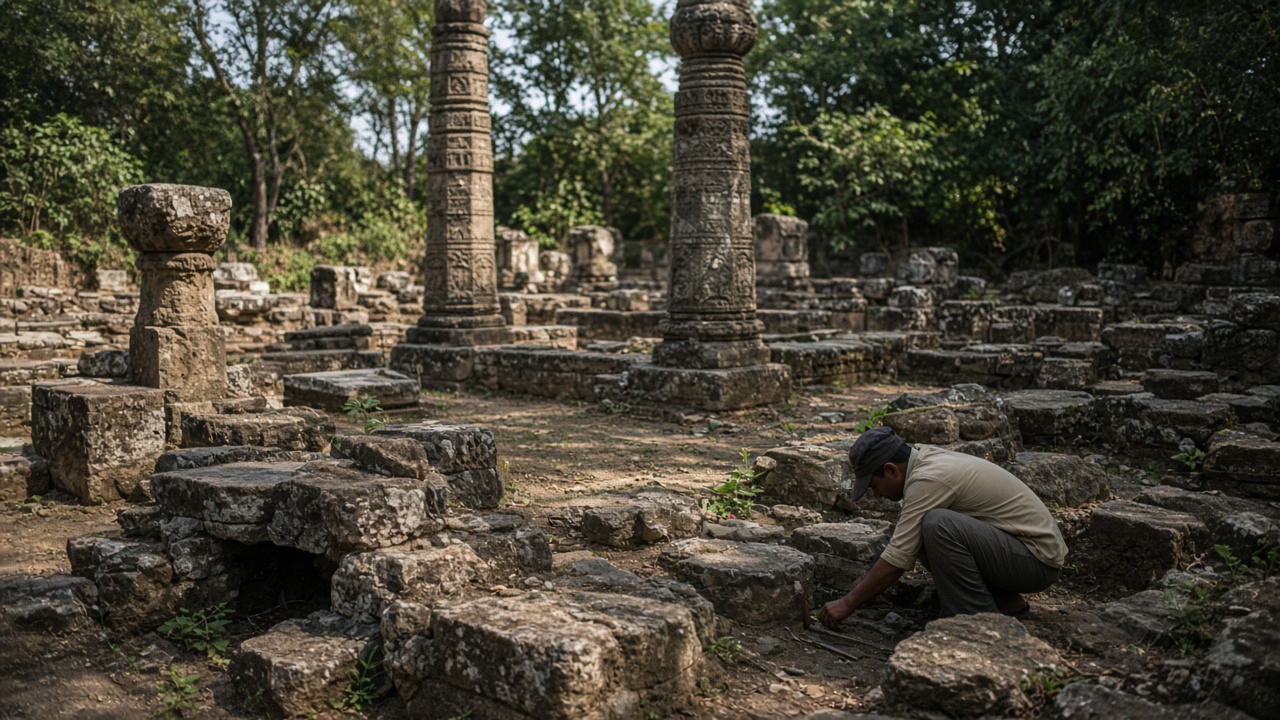
Sirpur, on the Mahanadi River plain, was a major Buddhist and Hindu centre between the 5th and 12th centuries. Excavations have uncovered monastery foundations, stone temples and sculptural remains that researchers link to trade routes crossing central India.
Chhattisgarh tourism officials have promoted Sirpur as a cultural hub, but conservation groups have warned that unchecked construction near the archaeological zone could weaken any future heritage case. The tentative listing gives the state a deadline to finalize visitor management and buffer-zone rules before UNESCO reviewers scrutinize a complete bid.
What happens next
India’s culture ministry typically spends two to four years preparing nomination documents after a tentative listing, including impact studies and community consultations. The World Heritage Committee considers finished nominations once a year, often with deferrals that send governments back for stronger safeguards.
The announcement landed during U.S. Secretary of State Marco Rubio’s visit to Mumbai, where officials highlighted cultural and educational ties, but UNESCO officials in Paris said the tentative-list update followed a routine submission cycle rather than a political launch event.