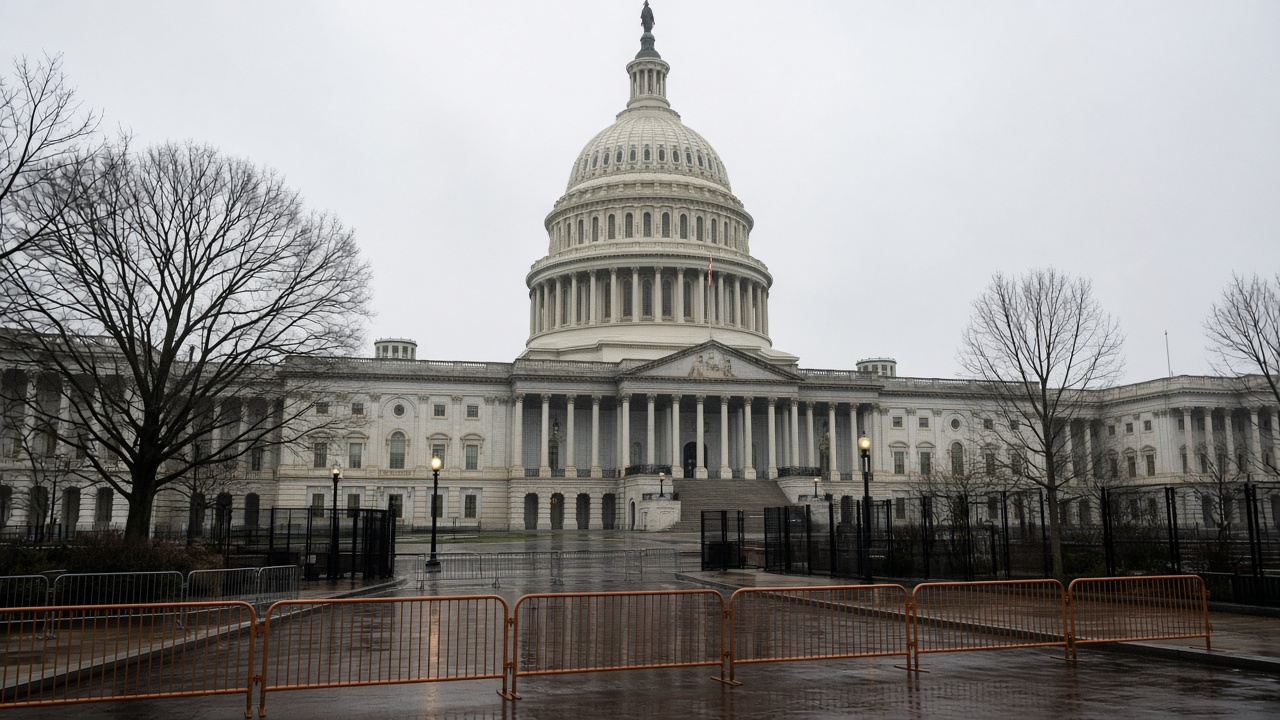
Congress is not in session this week, but the calendar for federal money and defense policy is already tightening: a continuing resolution that keeps agencies open expires on Dec. 11, and neither chamber has finished any of the 12 full-year appropriations bills for fiscal 2027. When the House and Senate return on Nov. 9, leaders will have roughly five weeks to fund the government, advance the National Defense Authorization Act, and decide which expiring health and transportation programs ride along in a year-end package.
What is frozen during recess
The Senate has held pro forma sessions without legislative business, and the House has no floor votes scheduled while members campaign for the Nov. 3 midterms. Oversight work continues in pockets — the House Ways and Means Committee’s document deadline for three tax-exempt groups tied to foreign-influence questions passed on Oct. 20 — but no appropriations markup can move until members are back in Washington.
Agency employees are not facing an immediate shutdown; the September CR keeps prior-year spending levels in place. Passport offices, SNAP benefits, and Medicare claims continue under that authority, which is why the practical stake for most households is what happens in December, not this Wednesday.
NDAA and defense politics
The NDAA remains the most likely large bill to clear both chambers in the lame duck. Holland & Knight’s October outlook notes committee work is largely complete, with floor action expected the week of Dec. 7. Pay tables, housing allowances, and procurement accounts for shipyards and munitions plants all flow through that bill; a delay past Christmas would not stop troop pay but would stall new-start contracts.
Permitting reform language is also queued on a Senate vehicle tied to H.R. 2347, with a cloture vote anticipated shortly after the Nov. 9 return. Environmental groups and energy developers are lobbying over whether transmission siting provisions stay in the package or get stripped for a cleaner funding vote.
Other expiring authorities
Surface transportation programs, portions of the Farm Bill, and several health extenders also need action before year-end, according to the same law-firm summary. Leaders could bundle short extensions into a second CR if omnibus negotiations stall, a pattern Congress used repeatedly in the 2010s. Each extra CR keeps agencies level-funded but prevents new hiring plans and delays grant competitions states rely on for highway repair.
Wallet effects to watch
A December shutdown would not halt Social Security checks, but it could close parks, delay FAA hiring, and furlough civilian Defense Department staff not deemed essential. Health extenders matter for community health center funding and telehealth flexibilities that hospitals bill under; if they lapse, rural clinics see reimbursement cuts in January even if a shutdown is avoided.
Voters will not see a funding bill on the ballot Nov. 3, but the election result will determine how much bargaining power each party has over rescissions packages the White House has hinted it wants. Until Nov. 9, the only consumer action is to ignore fundraising texts that claim a shutdown is imminent; the hard date remains Dec. 11, and negotiators have not yet published a draft omnibus.
State budget officers are already modeling two scenarios: a short December CR that punts omnibus talks into February, and a full-year defense plus domestic split that clears the Senate with 60 votes but stalls in the House over rescissions. Either path keeps grant checks flowing for a few weeks, but both delay new infrastructure bids that need signed appropriations before contractors mobilize equipment.
Federal contractors with expiring security clearances should renew before the holidays; background investigation units slow when appropriations lapse even if paychecks continue for cleared personnel.