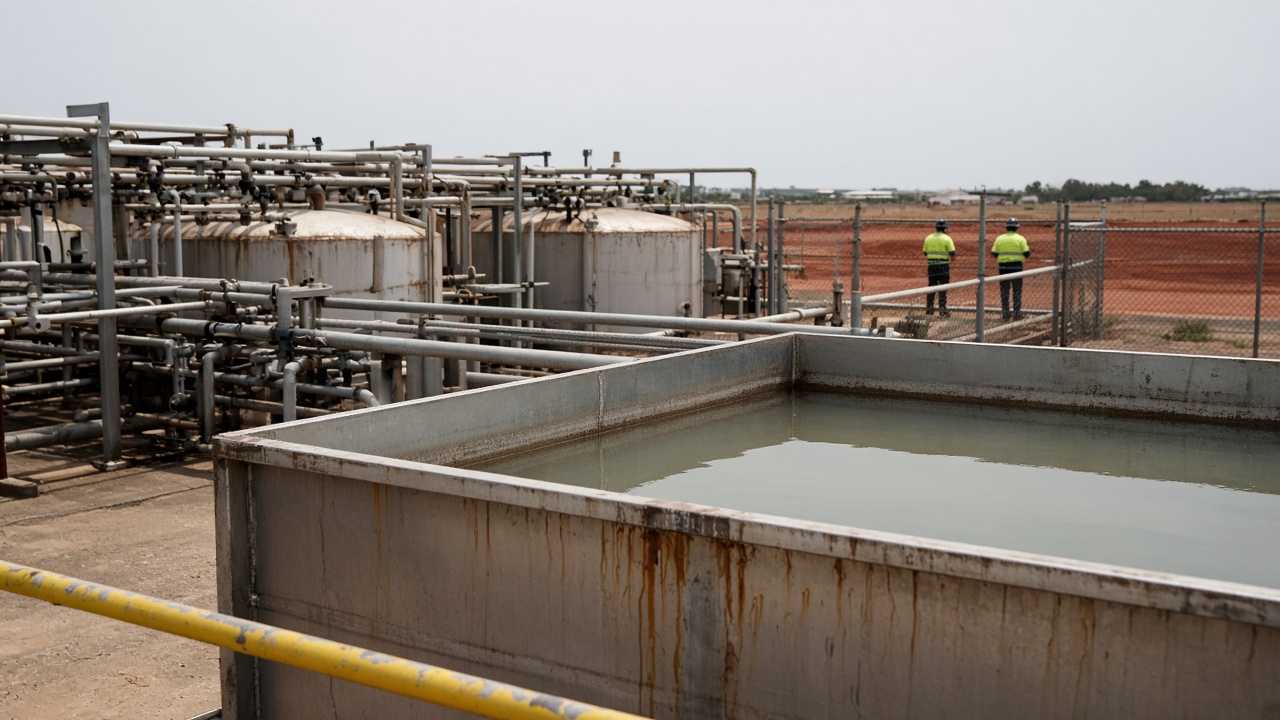
Lynas Rare Earths told investors on Wednesday it will run parallel engineering programs for its Kalgoorlie processing hub and a heavy rare-earth line in Seadrift, Texas, a year after Anthony Albanese and Donald Trump signed a critical-minerals framework that promised roughly US$1 billion on each side for mining and midstream projects.
Why the split matters for Australian shareholders
The ASX-listed producer has spent the past twelve months negotiating how much concentrate from its Mount Weld mine can be upgraded onshore before US defence customers demand material that never leaves American jurisdiction. Chief executive Amanda Lacaze said the Texas scope is now a discrete capital project with its own contractor roster, while Kalgoorlie remains the primary light rare-earth separation path for Japanese and European buyers.
That division matters for cash flow. Kalgoorlie already absorbed cost overruns during the 2024–25 construction window; splitting the Texas work lets Lynas stage debt draws against Department of Defense offtake talks without delaying carbonate output in Western Australia. Lacaze said the company still expects first commercial product from Kalgoorlie’s cracking and leaching circuit before Christmas, but warned that shipping schedules to Texas will depend on US environmental permits that are running three months behind the original advisory timeline.
Policy backdrop
The federal government’s anniversary review of the pact, released quietly on Tuesday, names Lynas among five firms eligible for concessional loans if they hit local content tests on separation chemistry. Industry Minister Ed Husic’s office confirmed that any Texas-bound concentrate must still pass Australian export controls, meaning Lynas will need separate assay certificates for defence-grade dysprosium and terbium streams.
Competitors are watching. Iluka Resources, which is building a synthetic rutile and rare-earth refinery at Eneabba, told the ASX it may seek a similar dual-plant structure if US customers insist on tolling arrangements. Smaller developers warned that splitting engineering teams could stretch Australia's thin pool of hydrometallurgists, a concern the University of Queensland raised in a submission to the Productivity Commission last month.
What investors are pricing in
Shares in Lynas closed up 2.4 percent on Wednesday, outperforming the broader materials sub-index as brokers treated the update as confirmation that US demand is real rather than rhetorical. Morgans analyst Alon Arroyo said the key risk is not geology but power pricing: Kalgoorlie’s grid costs rose 11 percent in the September quarter, and the Texas Gulf Coast faces hurricane season insurance premiums that were not in the 2025 feasibility study.
Lacaze said Lynas will publish a capital allocation slide deck at its November AGM, including a scenario where Texas construction pauses if Washington delays the price-floor mechanism the pact promised for Western miners. For now, the company is hiring another 40 contractors in Kalgoorlie and sending a second team to Seadrift before US midterm politics can reopen the debate over AUKUS and allied supply chains.
Export credit agencies in Tokyo and Canberra are discussing parallel guarantees for rail shipments from Fremantle to Gulf Coast ports, a route that would bypass congested Singapore storage. Lynas said it is modelling hurricane-related shutdown probabilities into its Texas timeline, citing 2025 insurance quotes that doubled after Gulf storms damaged chemical plants near Houston.
For retail investors, the update clarifies that the company is not abandoning Australian processing despite political pressure from Washington. Lacaze reiterated that Mount Weld concentrate will always be cracked domestically, preserving hundreds of skilled jobs in Kalgoorlie even if heavy rare-earth finishing moves offshore.