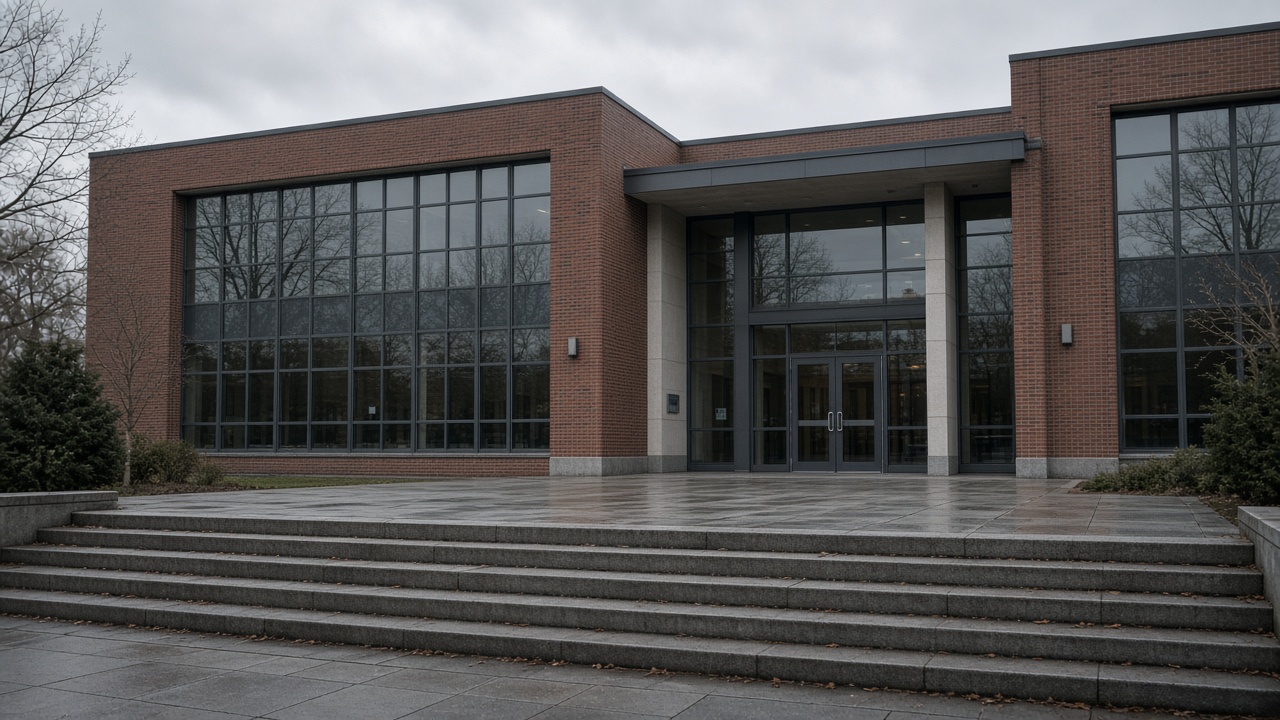
The Ministry of Education, Culture, Sports, Science and Technology asked the University of Tokyo on Tuesday to review the selection of its next president after a faculty and staff vote placed one candidate ahead while the governing council picked another, a rare public intervention that puts Japan’s most visible research brand under governance scrutiny.
How Todai chooses a president
Like other national universities corporatized under 2004 reforms, Todai blends internal democracy with council appointment power. Professors and staff cast advisory ballots; a selection committee narrows names; the board of directors makes the final call. The ministry’s request does not overturn the appointment by itself but signals that procedural questions crossed a threshold Tokyo had not seen at a flagship campus.
Campus newspapers and alumni groups had debated whether research leadership and fundraising prowess outweighed the expressed preference of full-time academics. The runner-up’s supporters argued the gap between vote totals and the council’s choice eroded morale in departments already competing for graduate students with overseas peers.
Why MEXT stepped in
Officials cited concerns raised inside and outside the university about transparency and whether conflict-of-interest rules were applied consistently during interviews. MEXT said it was the first time it had formally asked a national university to conduct such a review, stopping short of naming individuals or alleging misconduct.
The ministry funds large slices of Todai’s competitive grants and flagship projects; its letter is therefore both regulatory and relational. Observers compared it to softer tools used in the past when medical school admissions scandals surfaced at other institutions.
Stakeholder reactions
Science-policy researchers said the dispute matters beyond campus politics because Todai anchors joint international labs, disaster-response engineering, and semiconductor talent pipelines. Corporate partners watching the drama want predictable leadership for multi-year contracts.
Student government groups asked for a town hall explaining how future candidates will be evaluated. Faculty associations are split: some welcome outside review; others warn political oversight could chill bold reform agendas, including digital education investments and industry co-location on new campuses.
Technology and research angle
The presidency intersects with Japan’s push for stronger university spinouts and GPU-heavy AI research clusters. Whoever leads sets hiring priorities for cross-disciplinary institutes tying medicine, law, and engineering. Venture capitalists said continuity is valuable, but so is legitimacy if the next president must ask professors to commercialize patents faster.
Competing universities may exploit the moment in recruitment brochures, though Todai’s brand strength remains formidable in global rankings.
Timeline and remedies
The ministry asked for a review report outlining whether procedures matched internal statutes and national university law. Remedies could range from process tweaks to, in extreme scenarios, reconvening committees—outcomes insiders consider unlikely but not impossible if the review finds material lapses.
Parliamentary education committees may summon briefings if media attention persists, especially with debate ongoing over science funding and defense-linked research grants at record application levels.
Bottom line
Todai’s presidency fight is a governance story with technology-policy ripples. MEXT’s review request tests whether advisory faculty votes are ceremonial or consequential—and how much oversight Tokyo will accept at its premier research gate.