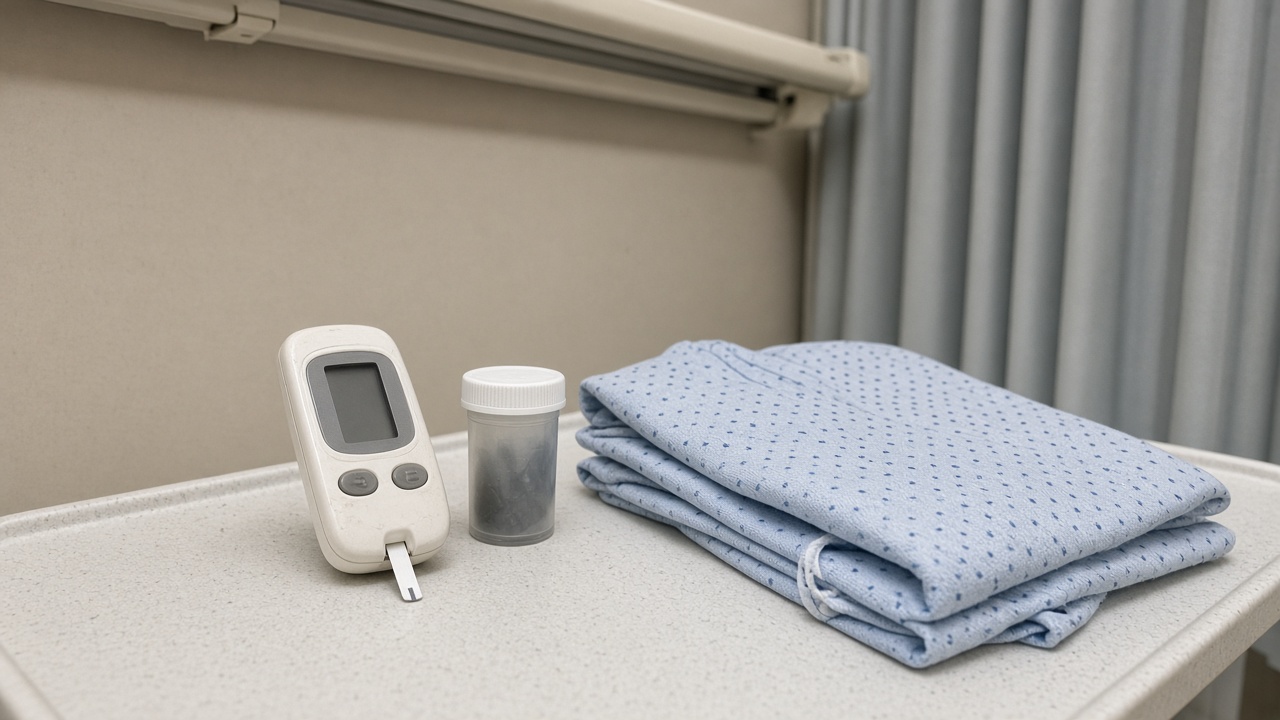
Nova Biomedical is removing its StatStrip glucose hospital meter systems from U.S. care settings after federal regulators listed the action as a confirmed device removal, the latest in a string of October alerts targeting bedside diagnostics. Hospitalized patients with diabetes or stress hyperglycemia depend on those meters for insulin dosing; a removal order means facilities must swap hardware and revalidate workflows, not simply change a lot number.
What the FDA posted
The Food and Drug Administration’s medical-device recall page on Oct. 20 listed “Hospital Glucose Meter Removal: Nova Biomedical Removes StatStrip Glucose Hospital Meter Systems” with a status of recall confirmed. The agency’s public notice does not replace a hospital’s direct letter to clinicians, but it signals that Nova is coordinating with customers to pull affected units rather than issue a software patch alone.
The StatStrip family is commonly used in intensive care and med-surg units that want capillary glucose results at the bedside without sending every sample to the central lab. Replacements typically come from rival vendors such as Abbott or Roche, but switching requires new quality-control procedures and nurse retraining.
Patient and visitor stakes
If you are admitted this week, ask whether your unit’s meter was part of the removal; most hospitals will post internal notices at nursing stations. Outpatient finger-stick meters sold at pharmacies are a different product line and are not covered by this hospital removal, though you should still compare your home device against a lab draw at annual checkups.
Insulin-dependent patients should confirm that hypoglycemia protocols remain the same even if the brand of meter changes. Nurses may draw more confirmatory lab samples during the transition, which can mean extra venipuncture but also tighter safety margins.
Context among October device actions
The FDA’s October device feed also includes early alerts on infusion sets packaged with BD Alaris pumps and updated instructions for Philips Lumify handheld ultrasound systems. Together they show regulators concentrating on hospital supply chains where a single vendor glitch affects dozens of beds.
Pharmacy recalls unrelated to StatStrip — including injectable drugs pulled for particulate matter — add pressure on hospital pharmacists already juggling shortage lists. Device and drug alerts are posted on separate FDA pages; patients should not assume one recall explains another.
What to do if you receive a billing notice
Glucose testing in inpatient settings is usually bundled into the facility fee, so the removal should not generate a separate bill. If you see repeated “point-of-care test” charges after discharge, compare them against your inpatient summary and call the hospital billing office with the FDA removal date in hand.
Primary-care doctors can update home-care plans if your hospitalization coincided with the meter swap; bring discharge paperwork noting which meter brand was used so follow-up A1c goals stay consistent. The removal is a hospital operations story with clinical edges, not a retail recall — but it is exactly the sort of behind-the-scenes change that determines whether insulin doses stay within range on your floor.
Critical-access hospitals with fewer than 25 beds should confirm whether their supplier has alternate meters in stock; rural facilities sometimes share one backup unit across med-surg and emergency departments. The Joint Commission does not waive glucose documentation requirements during device transitions, so expect temporary increases in lab draws until new meters complete validation runs.
Home caregivers supporting hospitalized relatives can ask nurses which lot numbers were used for bedside tests; documenting the device brand in a personal health notebook helps primary doctors reconcile glucose logs after discharge.