India's Permanent Delegation to UNESCO in Paris notified the World Heritage Centre on 20 October that three properties had joined the country's tentative list, opening a years-long path toward possible inscription for sites in the Andaman and Nicobar Islands and in Chhattisgarh.
The additions are the Karst-mud-volcano complex of Baratang, the Andaman Subduction Volcanoes on Barren and Narcondam islands, and the Sirpur Cultural and Archaeological site along the Mahanadi River. Inclusion on the tentative list is mandatory before India can submit a formal nomination dossier with management plans and boundary maps.
What each site represents
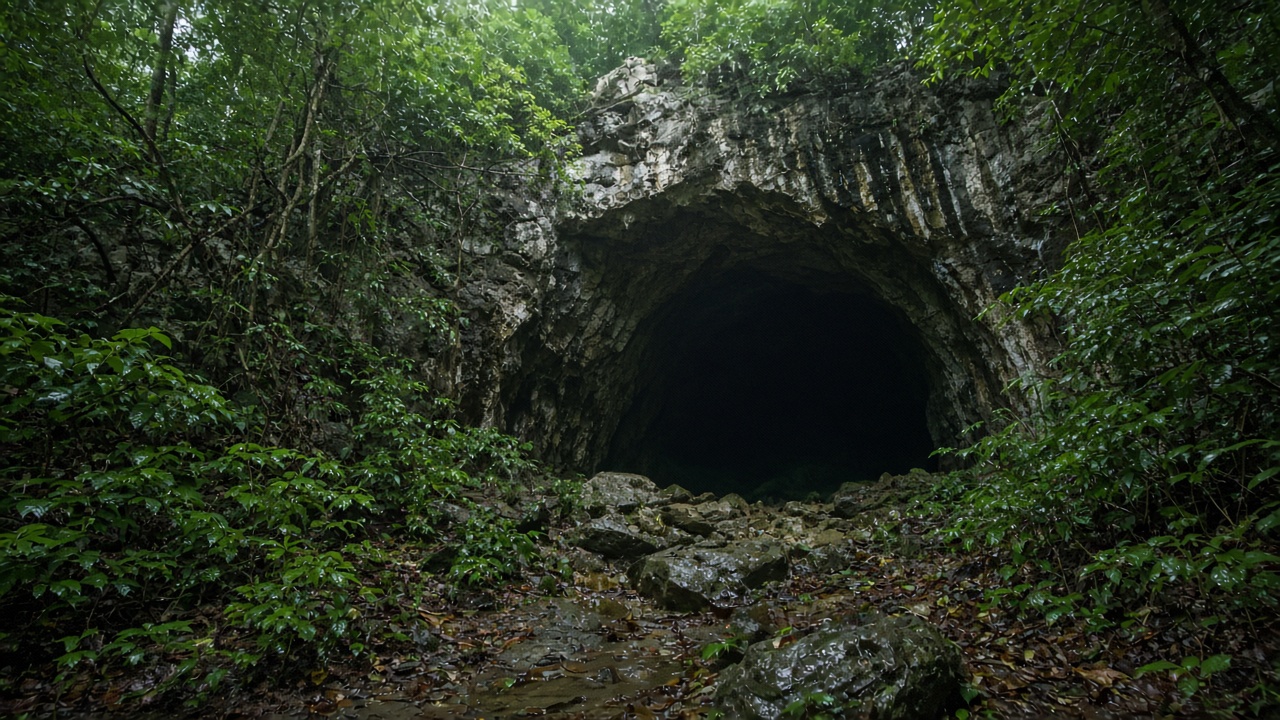
UNESCO's filing for Baratang, submitted 28 September, describes limestone caves and active mud volcanoes within tropical forest near the Middle Andaman chain. The Geological Survey of India designated the Baratang mud volcano a geo-heritage site in 2025, and regulators frame eco-tourism there as a way to fund conservation without opening unrestricted construction.
The Andaman Subduction Volcanoes nomination covers uninhabited volcanic islands monitored for seismic activity. Barren Island, about 138 kilometres from Sri Vijayapuram, last erupted in the living memory of geologists tracking the subduction zone. Narcondam's steep, forested cone rises from deep water and remains a restricted wildlife area.
Sirpur, 78 kilometres from Raipur, already enjoys national protection for temples and monastic ruins dated between the fifth and twelfth centuries. Stromatolite limestone from the Proterozoic Chhattisgarh Basin supplied building stone for structures such as the Laxman Temple and mercantile complexes that show Buddhist, Hindu and secular layers in one archaeological belt.
Where India stands globally
With 45 sites already inscribed — including Sarnath added in July 2026 — India ranks sixth worldwide by count, behind Italy, China, France, Germany and Spain. Each new tentative entry signals diplomatic and archaeological homework: state governments must align forest, tribal and shipping rules with UNESCO's integrity tests.
The Archaeological Survey of India prepared much of the Sirpur documentation, while the delegation credited multiple agencies for Andaman geoscience data. Tribal affairs and shipping ministries will likely join inter-ministerial reviews before any nomination reaches the World Heritage Committee.
What happens next
Tentative listing does not guarantee inscription. India must complete comparative studies, visitor-management caps and disaster plans, especially for cyclone-prone islands. Baratang's tourism already runs through permit systems; any world-heritage bid will be judged on whether those controls limit erosion and litter.
For Chhattisgarh, Sirpur's challenge is balancing excavation with living villages nearby. UNESCO will ask how floodplain farming and Mahanadi embankments affect buried structures. State tourism boards may promote the sites, but premature marketing ahead of management plans can hurt eventual scores.
Parliament and state assemblies do not vote on tentative listings, yet funding lines for ASI field seasons and Andaman conservation police will shape whether these files advance or stall like earlier entries that never left the backlog.