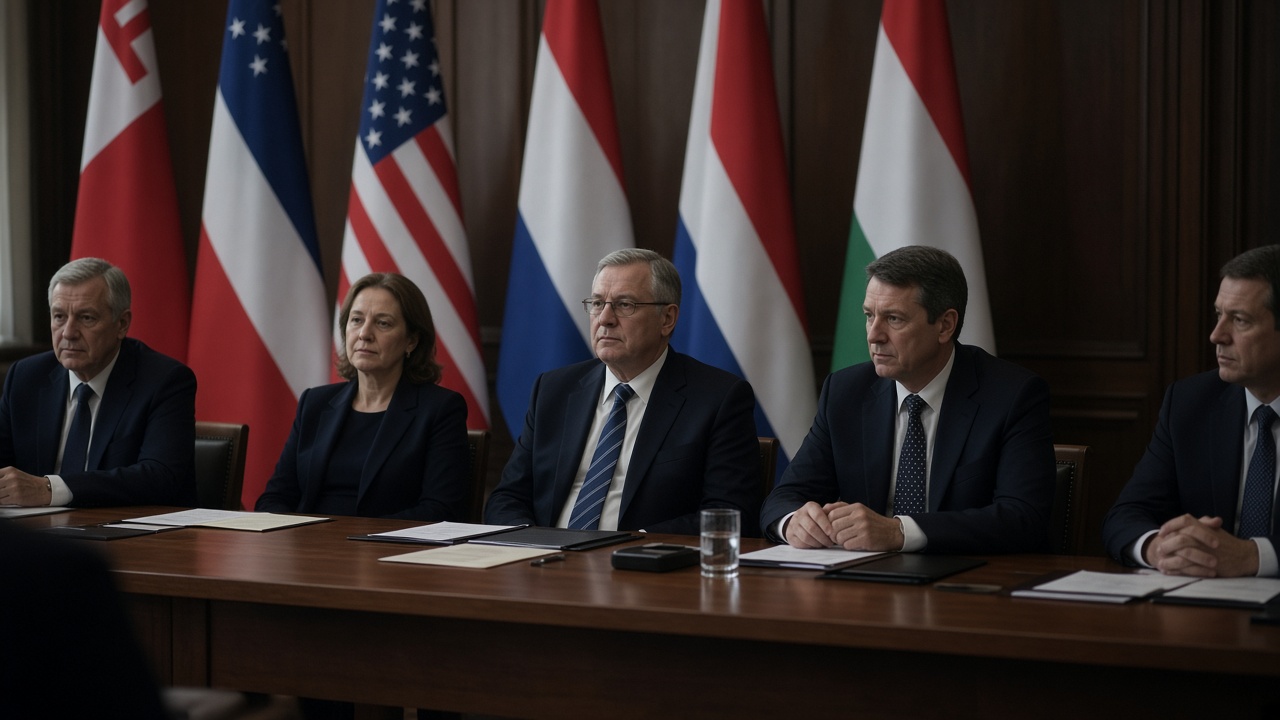
Defense ministers and industry chiefs from Qatar, Türkiye, Pakistan and Indonesia signed a multilateral memorandum of understanding in Doha on Wednesday, launching a joint project they call Badr—Arabic for the full moon—to coordinate manufacturing, capability building and research across their national defense sectors.
What the pact covers
Qatar’s state news agency said the agreement aims to foster cooperation in defense manufacturing, enhance capabilities among the four countries, and promote technical training plus research and development “worthy of the evolution of modern defenses.” Signing ceremonies brought together Qatar’s deputy prime minister and minister of state for defense affairs, Sheikh Saoud bin Abdulrahman bin Hassan Al-Thani; Pakistani Defense Minister Khawaja Muhammad Asif; Turkish Defense Minister Yaşar Güler; Indonesia’s deputy defense minister for logistics and defense industries, Marshal Yusuf Jauhari; and the head of Türkiye’s Defense Industry Agency, Haluk Görgün.
The Turkish Defense Ministry described the document as a framework to strengthen defensive capabilities and integrate industrial capacity so the partners can “meet the needs of allied and friendly countries.” Qatar’s Ministry of Defense posted on social media that other friendly nations may join later under criteria the four capitals will set together.
Why the timing matters
The signing lands as Iran-related security risks keep Gulf shipping lanes volatile and European and Asian governments reassess how fast they can replenish munitions and platforms. Pakistan’s Foreign Office had not issued a separate statement by late Wednesday, but Islamabad’s participation follows the August Makkah joint defense understanding among Pakistan, Saudi Arabia and Türkiye, which treats an attack on one signatory as an attack on all.
Analysts quoted by regional media noted that Indonesia adds a Southeast Asian production base and maritime reach, while Qatar contributes financing and diplomatic weight in Gulf mediation forums. Türkiye and Pakistan already export drones, vehicles and ammunition across the Middle East and Africa; the MoU formalizes a channel to bid on requirements as a bloc rather than as individual vendors.
Limits and next steps
The memorandum is not a mutual-defense treaty on its own. It does not specify procurement targets, dollar volumes or which platforms will be co-produced first. Officials portrayed Wednesday’s step as opening a standing working group on training standards, spare-parts interoperability and licensed production.
Western officials watching the Gulf will track whether Badr projects steer contracts away from U.S. and European primes, and whether any co-developed systems run into export-control friction. NATO members that buy Turkish artillery or Pakistani ammunition may welcome extra capacity, but Washington will scrutinize any technology transfer that could reach sanctioned actors.
For now, the four governments cast the pact as economic as well as military: pooling factories and engineering talent to lower unit costs while presenting a “full moon” coalition that can grow if additional countries accept the entry rules. Industry executives at the Doha signing said working groups would meet within 30 days to inventory each country’s production lines and identify a first pilot program, though they declined to name a lead platform on the record.