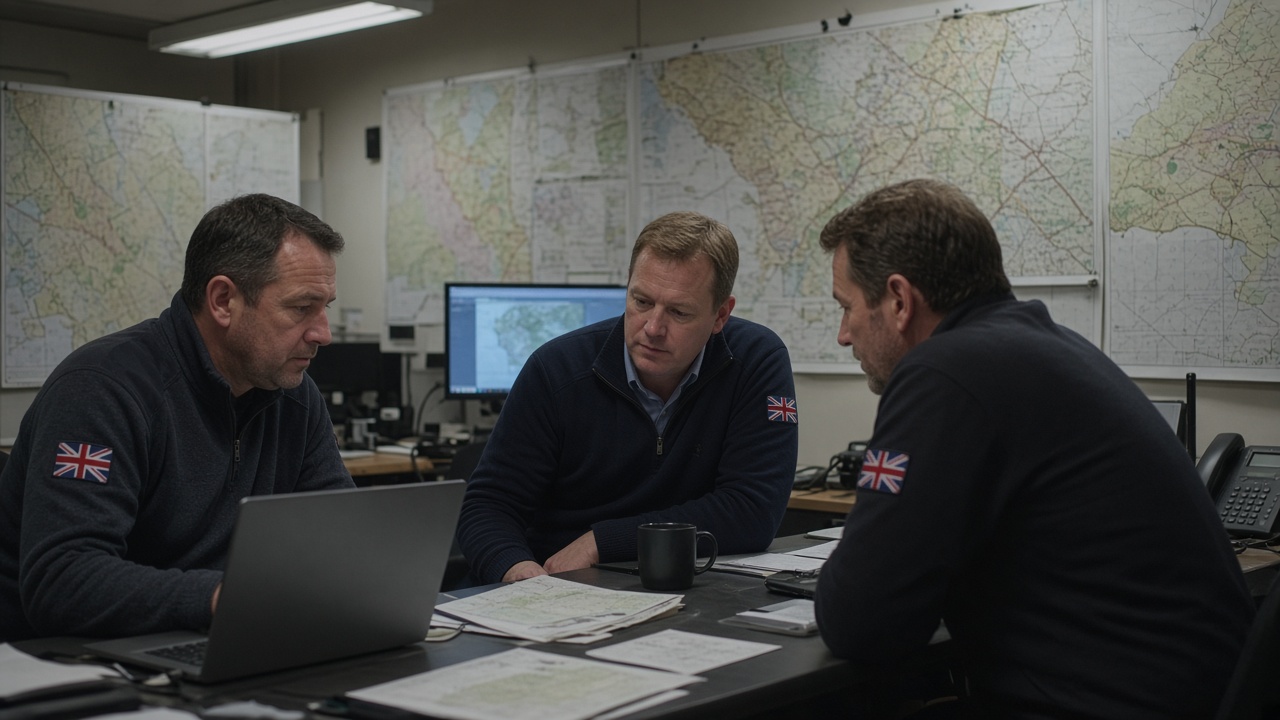
The United Kingdom has deployed a small contingent of military planning officers to Israel to join a U.S.-led task force supporting stabilisation efforts in Gaza, the Ministry of Defence confirmed on Tuesday.
Defence Secretary John Healey told parliament the UK would play an “anchor role” in the civil-military coordination centre Washington has stood up to monitor ceasefire compliance and plan humanitarian corridors. Officials declined to publish troop numbers but described the deployment as narrowly focused on planning rather than combat operations.
What London is sending
Reuters, citing defence sources, said the British team numbers only a handful of officers drawn from joint headquarters staffs experienced in liaison work with allies. Their mission is to feed UK situational awareness into the U.S.-run cell and to ensure British humanitarian and diplomatic priorities are reflected in daily planning cycles.
The MoD stressed that the personnel are not deploying into Gaza itself and are not authorized to conduct independent military action. Their presence alongside American planners mirrors earlier UK contributions to maritime security coalitions, scaled down to match the fragile truce environment.
Ceasefire context
The deployment lands amid renewed violence that has tested a U.S.-brokered ceasefire between Israel and Hamas. Gaza health authorities and Israeli officials have each said the other side breached the truce since the deal took effect, and aid agencies warn that northern Gaza remains far short of required food and medical deliveries.
U.S. Vice President JD Vance visited Israel this week and told reporters the truce was proceeding “better than expected,” a characterization many European diplomats treated cautiously given continued casualties. Britain’s decision to embed planners suggests London wants visibility into how Washington interprets compliance—and diplomatic weight if the agreement frays.
Political reaction at Westminster
Opposition lawmakers demanded a statement on rules of engagement and on whether Parliament would vote if the mission expands. Government ministers said the deployment falls within executive prerogatives for liaison staff but promised further updates if the footprint grows.
Human rights groups urged the UK to condition its support on unimpeded aid access and independent monitoring of prisoner transfers. Healey responded that humanitarian outcomes are “the reason the centre exists,” without committing to public release of daily compliance reports.
Limits and next steps
Analysts noted that planning cells can improve deconfliction between militaries and aid convoys but cannot substitute for political agreements on border crossings and prisoner exchanges. If the ceasefire collapses, the British officers could be withdrawn quickly—but that would also remove one of the few NATO-member eyes inside the U.S. coordination architecture.
For Downing Street, the move balances solidarity with Washington against domestic sensitivity to any perception of deeper entanglement in Gaza. The coming days will show whether a handful of planners is enough to secure British influence—or whether London will be asked to send more as the truce enters its most fragile phase.