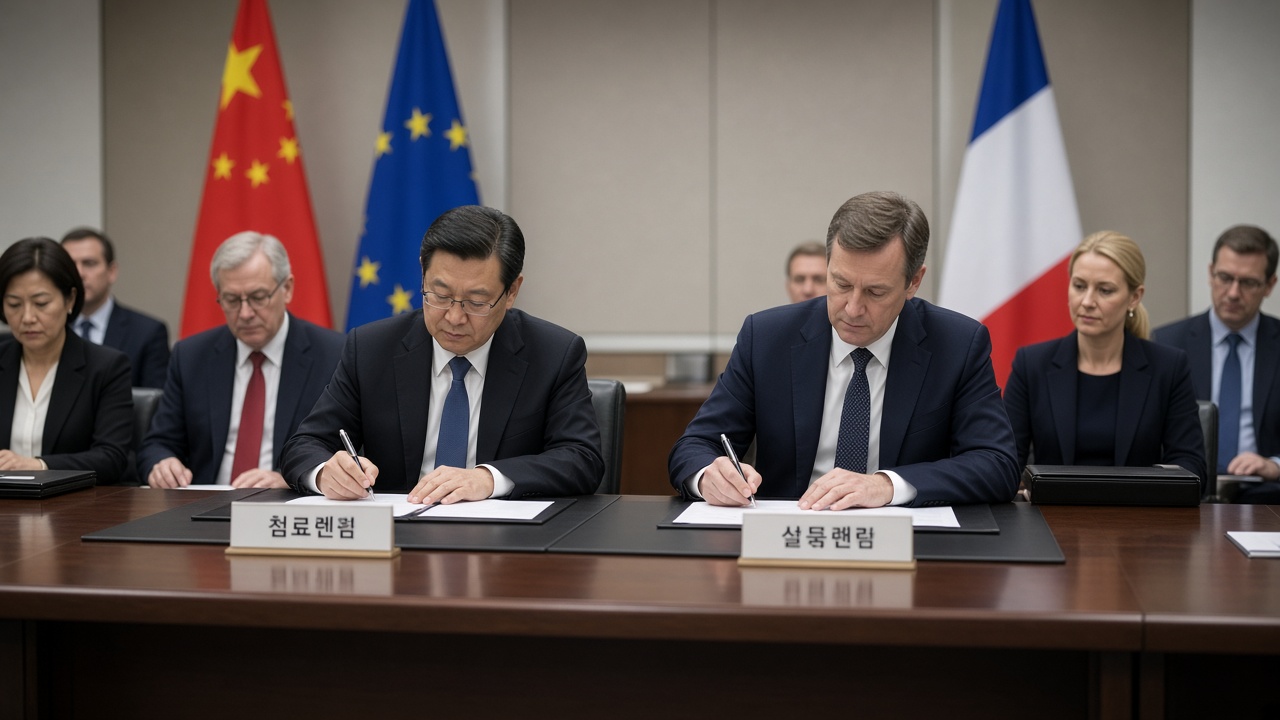
Singapore and the United Arab Emirates signed memoranda covering cybersecurity cooperation and disease-vector control on 21 October 2026 as Prime Minister Lawrence Wong met President Sheikh Mohamed bin Zayed in Abu Dhabi.
Cybersecurity file
The cybersecurity MOU sits alongside energy and water agreements announced the same day. Singapore's Cyber Security Agency has pursued similar frameworks with Gulf partners to share threat intelligence and critical-infrastructure standards as both hubs host regional data traffic.
Details of the text were not published, but MFA framed the package as strengthening bilateral cooperation opened under the 2019 Comprehensive Partnership. For telcos and banks, Gulf MOUs often precede joint drills on ransomware response and supply-chain audits.
Disease-vector control
The vector-control memorandum links National Environment Agency expertise on mosquito suppression with UAE public-health agencies confronting similar climate challenges. Singapore has exported Gravitrap surveillance know-how before; the MOU formalises training exchanges rather than a single procurement.
Why tech desks care
Cyber agreements with wealthy partners can unlock pilot projects for Singapore startups in threat hunting and OT security—sectors the Monetary Authority of Singapore also watches through its technology risk management guidelines. None of that is automatic; MOUs still require work plans and budgets.
Wong's delegation included meetings on artificial intelligence and advanced technologies earlier in the visit, suggesting cybersecurity will be discussed in the same breath as AI safety and data-centre expansion—topics both governments treat as sovereignty issues.
Next steps
Expect joint statements when working groups schedule the first tabletop exercise. For enterprises, the practical test is whether insurance underwriters recognise MOU-backed information sharing when pricing cyber policies for cross-border operators.
Singapore telco context
The MOU week coincided with Infocomm Media Development Authority's S$1 million fine on Singtel for March mobile outages—a reminder that resilience pledges at home are scrutinised while diplomats sign abroad. Cyber MOUs do not replace domestic enforcement, but they give CSA reference architectures when auditing cross-border vendors.
Data-centre operators in Singapore already face licensing thresholds under the Digital Infrastructure Act for large facilities. Gulf partners are building hyperscale campuses; cybersecurity chapters may align incident reporting clocks so a breach in one jurisdiction triggers prescribed notifications in the other.
Vector-control cooperation also supports Singapore's dengue season planning. NEA's Gravitrap network produces granular mosquito counts; sharing protocols with UAE health agencies is primarily a research exchange, though it could expand if climate shifts alter vector ranges.
Enterprise Singapore and the UAE investment ministry have run joint trade missions before; folding cybersecurity into the same visit keeps digital and physical infrastructure deals on one diplomatic calendar.