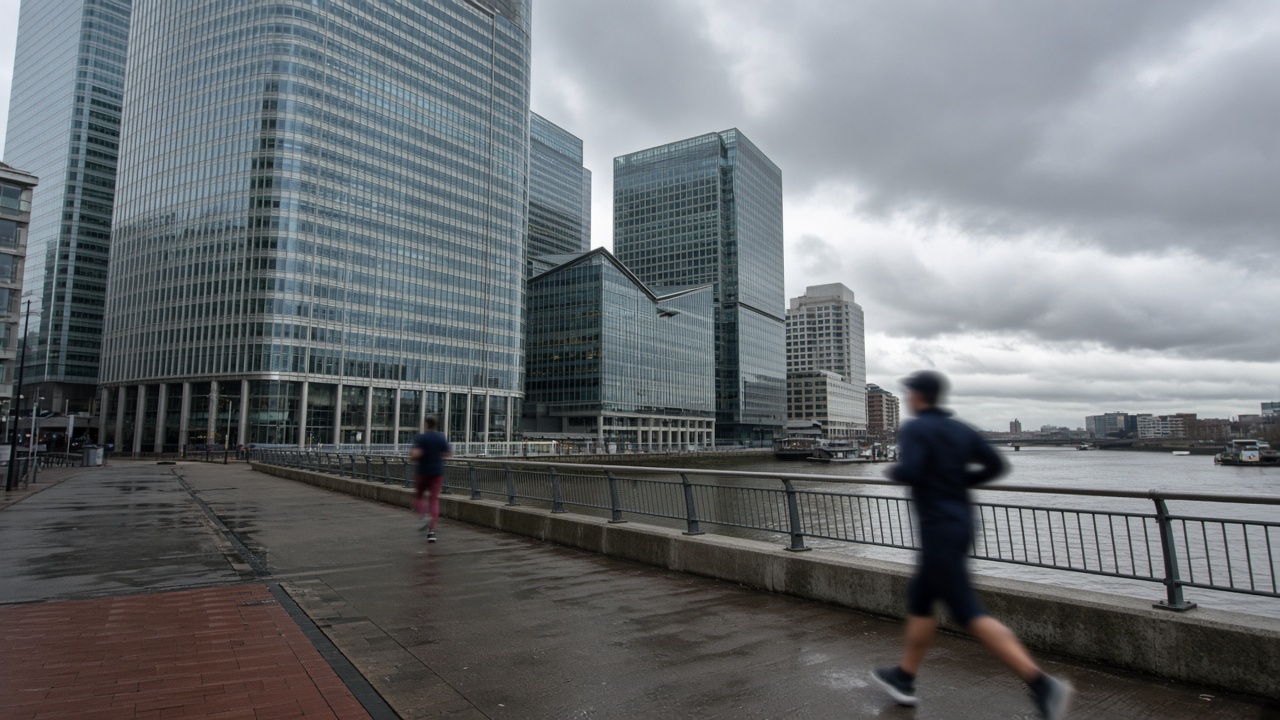
Barclays led London’s blue-chip gainers on Wednesday after lifting its share buyback and full-year guidance, even as it set aside more cash for UK motor-finance redress in a session already lifted by inflation holding at 3.8%.
Trading floor read-through
The FTSE 100 closed up about 0.7%, adding roughly 67 points, as traders priced a greater chance of a Bank of England rate cut after September’s consumer prices index surprised on the soft side. Barclays outpaced the index, rising close to 5% by the close, while NatWest and Lloyds posted smaller gains ahead of their own third-quarter updates.
Analysts at RBC had warned that motor-finance uncertainty and budget tax chatter left UK lenders short of positive catalysts. Wednesday’s print challenged that narrative by showing operating profit resilience and a shareholder return programme enlarged to £500 million.
Motor finance still looms
Barclays increased its provision for potential compensation on discretionary commission arrangements, joining peers that have flagged bills running into the billions sector-wide. Chief executive C.S. Venkatakrishnan told reporters the bank would “engage constructively” with regulators while keeping capital returns on track.
The Financial Conduct Authority’s timeline for consumer payouts has kept finance directors on alert. Lenders fear that a pre-budget political push for faster remediation could force additional charges in the fourth quarter.
Yet equity investors focused on the countervailing signal: return on tangible equity guidance ticking higher and net interest income holding up better than feared in a falling-rate scenario.
Macro tailwind
Sterling slipped about 0.3% against the dollar as markets brought forward bets on monetary easing. Capital Economics told clients that CPI could drift toward 3.5% in October, keeping gilts supported even if the MPC waits until December to cut.
For domestic banks, that mix is delicate. Lower policy rates compress margins, but calmer inflation reduces credit-stress fears among mortgage and card borrowers.
Earnings week ahead
Lloyds reports on Thursday and NatWest on Friday, with HSBC and Standard Chartered following next week. Each will face questions on motor provisions, commercial real estate exposure, and whether Rachel Reeves will target a bank surcharge in November.
Barclays set the tone: provisions are painful but not fatal to capital distributions if trading and investment banking fees cooperate. Traders will now watch whether peers follow with their own buybacks or pause until budget fog clears.
Currency and commodities
Oil held steady near recent highs, a reminder that energy costs can re-accelerate inflation even when services cool. Miners mixed: Rio Tinto edged higher on iron-ore sentiment while precious-metal names tracked bullion lower after Tuesday’s spike.
Currency traders said the pound’s dip helped dollar earners in the FTSE, partially offsetting domestic margin fears. Asset managers rotating into UK banks said dividend cover looked healthier than European peers still digesting legacy litigation.
Short sellers covering Barclays positions added to the squeeze, according to exchange data, though volumes remained below the 30-day average until the final hour.
Index compilers said financials added the largest sector contribution to the FTSE 100’s advance, while consumer staples lagged after a defensive rotation earlier in the month. Traders noted that options markets priced lower implied volatility into Friday’s Lloyds print, a sign that hedging demand eased once Barclays set the tone.
Retail shareholders attending the bank’s hybrid results call asked whether dividend policy would trump further buybacks if motor costs escalate. Finance director Anna Cross said capital allocation would remain “disciplined” and aligned with regulatory minima.