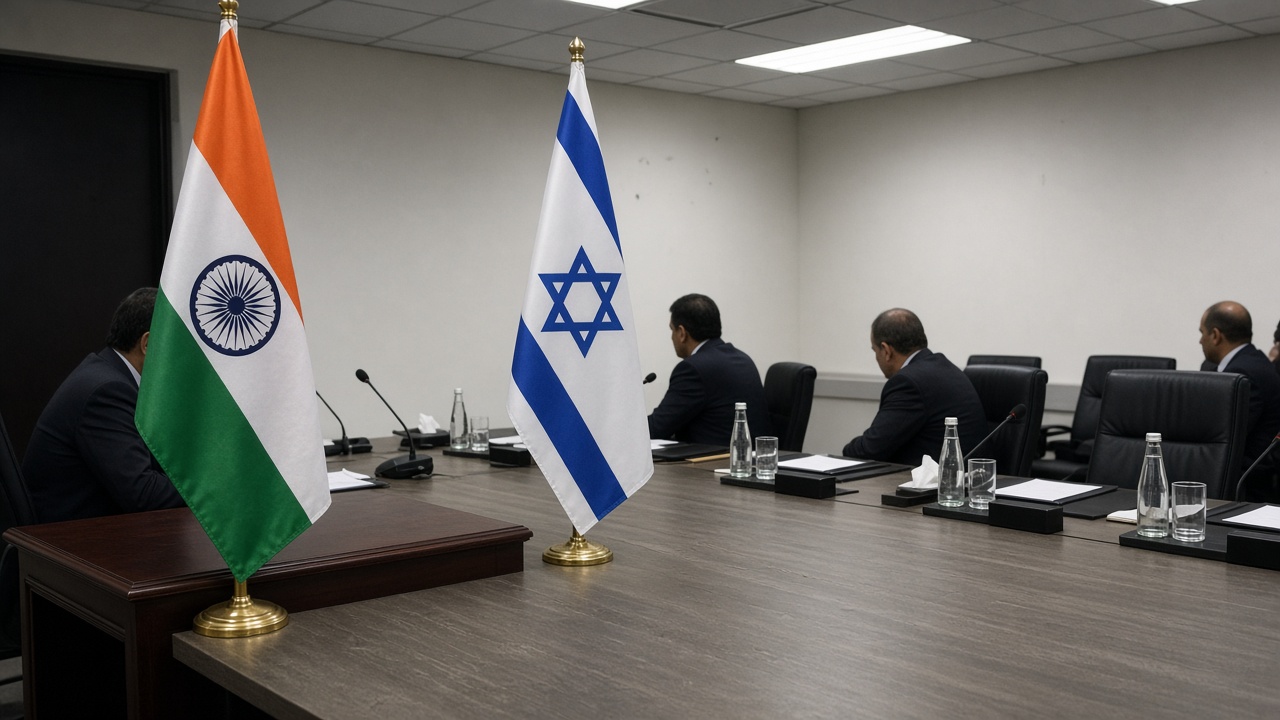
Israeli Prime Minister Benjamin Netanyahu invited Prime Minister Narendra Modi to light a torch on Israel's Independence Day alongside Indian pilot Smit Machchar, Netanyahu told reporters Thursday after the two leaders spoke by phone about the war in West Asia and bilateral security ties.
Modi thanked Netanyahu for the invitation; Netanyahu's office quoted him saying India and Israel are fighting militant threats "on the ground and in the air." India's Prime Minister's Office said the conversation reviewed momentum in the strategic partnership and stressed dialogue and diplomacy as the path to restoring stability in West Asia.
What each side said
The PMO statement said Modi and Netanyahu welcomed sustained progress in India-Israel relations and exchanged views on recent developments in the region, underscoring the need to restore peace. Netanyahu, speaking later to Indian media outlets, framed the torch invitation as a symbolic gesture linking the countries' defense cooperation.
Machchar's name has appeared in Indian coverage of joint training and exchanges with Israeli forces, though Thursday's statements did not detail her current assignment. Israeli Independence Day ceremonies traditionally feature torch lighters chosen to represent sectors of society and international partnerships.
The call came on a day when Indian diplomats were also managing citizen safety abroad. The Ministry of External Affairs said roughly 3,000 Umrah pilgrims stranded in Saudi Arabia had returned over the past week as Riyadh-area airports faced disruption, and that one Indian national was injured in an attack near Saudi energy infrastructure.
Delhi's balancing act
Modi's government has sought to deepen defense and technology ties with Israel while maintaining energy and trade links across the Gulf. Thursday's conversation did not announce new arms packages, but it highlighted how Delhi keeps high-level channels open with Jerusalem even as it publicly urges de-escalation in the Iran-related crisis affecting shipping and aviation routes Indian carriers use.
Earlier in the day Modi hosted Polish Prime Minister Donald Tusk for a defence-industry dialogue, signing cooperation pledges in areas including nuclear energy. The back-to-back diplomacy illustrates India's effort to engage European and Middle Eastern partners without picking a single bloc in the widening regional conflict.
Opposition lawmakers in New Delhi have pressed the government to explain evacuation plans for Indians in the Gulf; the external affairs ministry said embassies in Riyadh and Jeddah were coordinating with airlines and tour operators.
What comes next
Neither government published a date for Modi's possible travel to Israel. Torch invitations are often confirmed closer to the holiday, and Indian prime ministers have historically balanced ceremonial overseas visits against domestic parliamentary schedules.
Officials said further bilateral meetings would continue through diplomatic channels. For now, the recorded outcome of Thursday's call is the invitation itself, paired with parallel statements reaffirming security cooperation and calls for renewed diplomacy in West Asia.