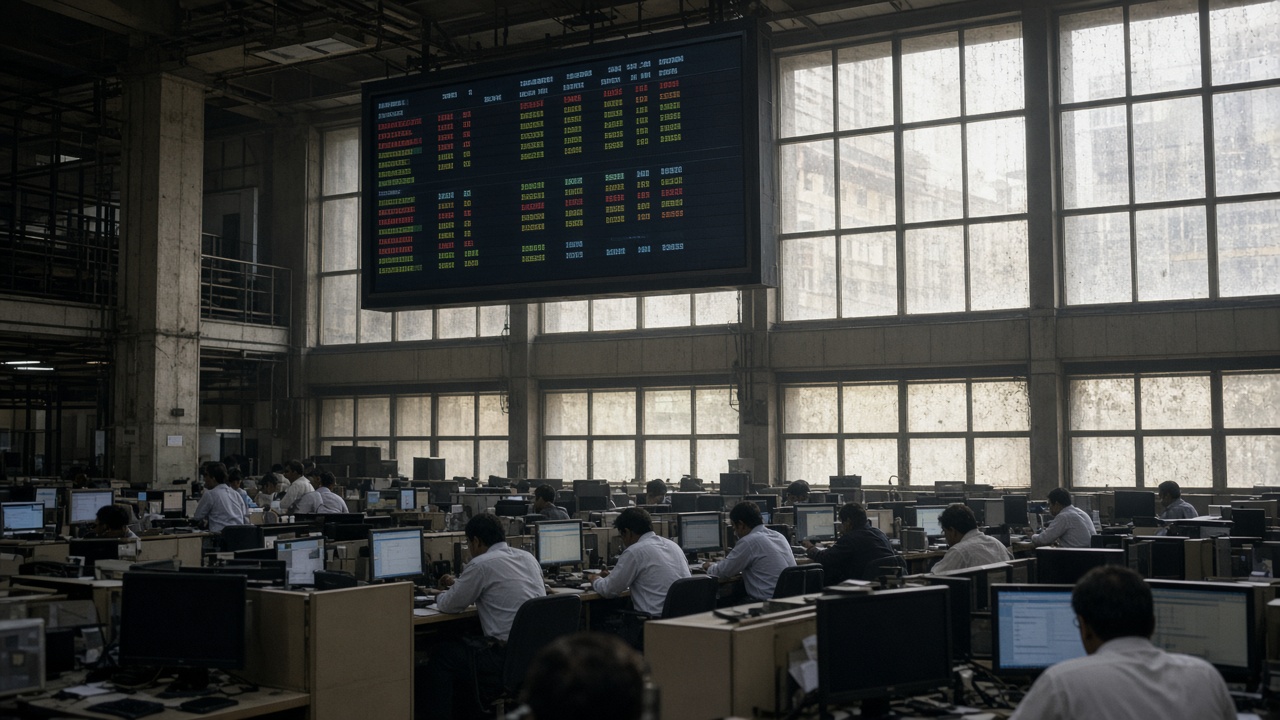
Midcap information technology stocks beat the Nifty 50 for a second straight session on Wednesday as the rupee strengthened four paise against the dollar and export-heavy software names converted hedging gains into visible earnings support.
Dealers said foreign portfolio investors returned to Indian equities after a brief pause tied to U.S. tech earnings volatility, but they favoured second-tier vendors with rupee revenue mixes below 80 percent rather than the heaviest index weights. That rotation lifted the BSE IT gauge 1.6 percent, compared with a 0.4 percent advance in the headline Nifty.
Rupee and hedging
The rupee’s four-session softening streak ended after state-run oil marketers tapped the Reserve Bank of India’s dedicated dollar window, reducing immediate spot demand from energy importers. Currency traders said exporter offers appeared once the pair moved back below 84.20, giving IT services firms a modest mark-to-market tailwind on layered hedges booked in September.
LTIMindtree and Mphasis joined the rally, even as their larger peers traded flat. Fund managers attributed the split to contract renewal calendars: midcap vendors are entering the December quarter with a higher share of re-priced statements of work tied to cloud migration, while mega-cap names still digest slower discretionary spending in banking clients.
Macro cross-currents
The session unfolded against the backdrop of the RBI’s October rate hike, which theoretically raises discount rates for long-duration growth stocks. Investors appeared willing to look through that headwind so long as the currency stabilised and U.S. clients did not accelerate offshore hiring freezes.
India VIX slipped to 14.2, its lowest close in two weeks, suggesting options markets are not pricing a near-term macro shock despite elevated crude. Bank Nifty lagged, reflecting concerns that tighter liquidity will slow loan growth into the festive season.
Flows and positioning
Provisional FPI data showed net buying of ₹1,420 crore in equities, with software and pharmaceuticals combining for more than half the total. Domestic mutual funds were net sellers of index heavyweights, consistent with profit-taking after the September rally stalled.
Analysts cautioned that the midcap IT trade remains crowded. Valuation screens show several names trading above five-year average price-to-earnings multiples even after accounting for expected rupee gains. Any renewed dollar strength could unwind the hedge benefit quickly.
Still, for one session at least, the market narrative favoured exporters with manageable debt and visible order books—a contrast to the previous week, when rate-sensitive lenders and consumer durables led the declines. Traders will watch Thursday’s U.S. payrolls report for cues on whether the rotation has staying power into Diwali liquidity windows.
Sector internals
Within the IT basket, business process outsourcing names lagged as insurance clients delayed renewals, while product engineering shops with auto and industrial clients outperformed. That split reinforces the idea that India’s export recovery is uneven rather than broad-based.
Currency forwards for the one-month tenor traded near 84.15, implying markets expect only modest rupee appreciation despite the RBI’s dollar sales to oil companies. Exporters with layered hedges booked gains on layers struck in August when the rupee briefly weakened past 84.40.
Domestic institutional investors continued to buy midcap funds according to AMFI flow data released Tuesday, providing a backstop even when foreign investors rotate. The combination supported second-tier IT stocks that might otherwise have sold off after the MPC hike.
Earnings season for the December quarter begins in earnest next month; until then, currency moves and U.S. client commentary will likely dominate price action more than Indian macro prints.
Single-stock futures on at least three midcap IT names saw open interest rise, hinting at hedge funds positioning for continued outperformance versus the Nifty ETF basket. Clearing corporations reported no stress in margin collections, suggesting borrowed exposure remains moderate compared with the 2021 peak.
Corporate treasury desks at exporter clients said they extended hedge ratios by five percentage points after the MPC, preferring certainty over optional gains if the rupee rallies further on oil-dollar window news.