Taiwan's Foreign Ministry on Wednesday condemned what prosecutors described as a staged traffic collision targeting comedian Huang Yi-hao, after the Taipei District Prosecutors Office indicted five people on charges including aggravated injury and money laundering.
What prosecutors allege
According to the indictment quoted by local media, a Chinese national allegedly paid intermediaries to hire drivers who would crash into Huang's car in New Taipei City. Huang, known for political satire, suffered injuries that required hospital treatment; investigators said bank transfers linked the suspects to overseas accounts.
Prosecutors asked the court to impose heavy sentences, arguing the plot aimed to silence speech protected in Taiwan. Defense attorneys have not publicly commented, and the court has not set a trial date.
Government response
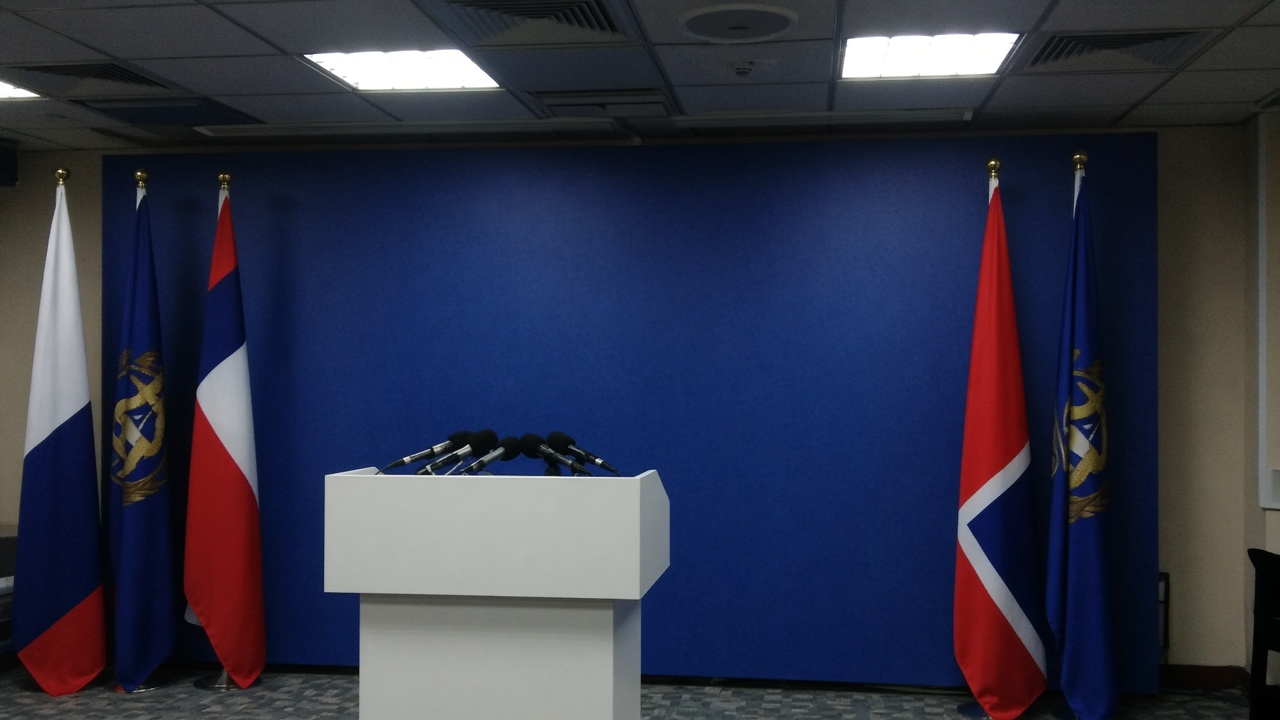
Foreign Minister Lin Chia-lung told reporters that intimidation crossing borders "will be treated as an attack on Taiwan's democratic norms," without naming Beijing in the criminal filing. The ministry said it briefed representative offices in Washington and Tokyo on the case so allies understand the safety risks facing Taiwanese performers.
Interior officials separately urged police to revisit protective details for public figures who criticize foreign leaders, citing a rise in online threats after the indictment was reported.
Why the case resonates
Huang spoke outside the courthouse Tuesday, thanking medical staff and asking lawmakers to speed protections for artists facing overseas bounty rumors. Civil society groups said the incident shows why Taiwan needs faster digital evidence preservation when payments route through cryptocurrency exchanges.
For security teams, the lesson is operational: a low-tech car crash can accomplish what distributed hacking campaigns sometimes cannot—direct harm with plausible deniability. Taiwan's answer, at least this week, is a public indictment plus a foreign ministry stage denouncing cross-border coercion in plain language.
Legislative follow-up
Lawmakers from three caucuses said they would fast-track amendments that treat paid intimidation plots as national-security cases when overseas money is involved. Judicial Reform Foundation briefings urged courts to admit digital wallet traces even when exchanges are offshore.
Comedy clubs in Taipei added private security for weekend shows, and streaming platforms reviewed comment sections for bounty language tied to Huang's name.