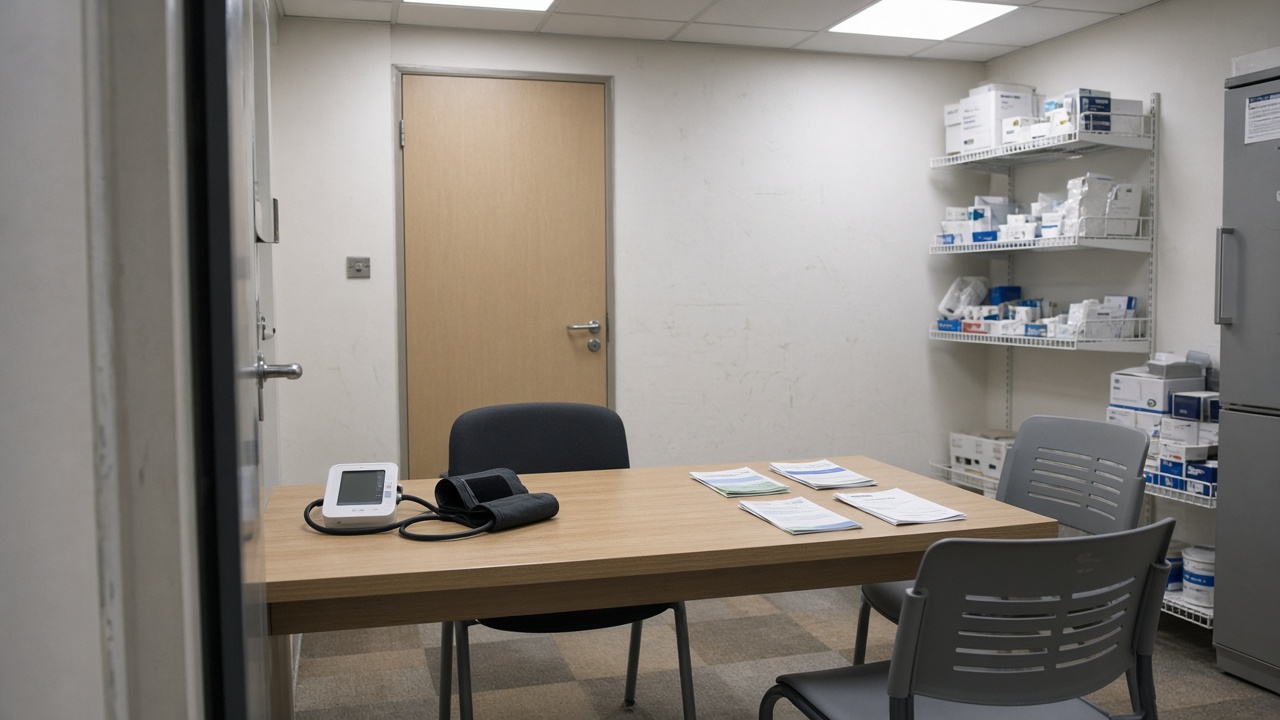
NHS England told pharmacies to expand walk-in blood pressure checks this month, targeting adults who skip GP appointments before winter pressures hit hospitals.
Programme scale
The service builds on a contractual pathway that already pays community pharmacies for hypertension case-finding. NHSE now funds additional evening slots in 2,400 stores in deprived postcodes, where cardiovascular admissions historically spike after cold snaps.
Pharmacists record readings into shared care records when patients consent, flagging results above 140/90 mmHg for GP follow-up within 21 days. The British Heart Foundation said more than five million UK adults have undiagnosed high blood pressure.
Why winter matters
Cold weather thickens blood and raises strain on hearts. NHSE modelling links each one-point rise in diagnosed hypertension control to measurable reductions in stroke admissions. Emergency departments want fewer preventable cases arriving during flu season peaks.
GP leaders welcomed the push but warned that practices need capacity to absorb referrals. The Royal College of General Practitioners asked NHSE to pair pharmacy checks with protected admin time for practices receiving batched results.
Patient experience
Walk-in checks take about ten minutes, including a second reading after rest if the first is high. Pharmacies offer lifestyle leaflets and smoking-cessation referrals. Patients without a regular GP can be linked to primary-care networks through NHS 111 follow-up.
Privacy advocates asked for clear signage that pharmacy consultations are confidential and not shared with insurers. NHSE confirmed data flows follow existing GDPR protocols for NHS summary care records.
Funding and workforce
The Pharmacy Services Negotiating Committee said reimbursement rates cover staff time but not capital for automated cuffs in busy stores. Chains are redeploying technicians trained during the COVID vaccination rollout.
If uptake meets targets, NHSE may extend funding through March. Ministers view pharmacy case-finding as cheaper than hospital treatment for strokes that could have been prevented.
How to use the service
Adults over 40 without a recent reading are the priority group. NHSE encourages people on hypertension medication to bring their logbooks so pharmacists can spot control issues before dosage reviews with GPs.
With flu jabs running in the same stores, NHSE hopes combined visits will catch two risk factors in one trip—a small operational change that could matter when ward beds are tight.
Equity focus
Public health directors in Black Country boroughs helped pick pharmacy sites based on stroke admission heat maps. Community leaders translated materials into Punjabi and Polish to reach groups with historically low screening uptake.
Local authorities linked the campaign to warm-hub signposting so elderly residents checking blood pressure also hear about fuel-payment support.
Ambulance trusts backed the pharmacy push, saying earlier hypertension control reduces emergency calls for hypertensive crises during cold snaps. Paramedics will carry referral cards pointing patients to participating high-street stores.