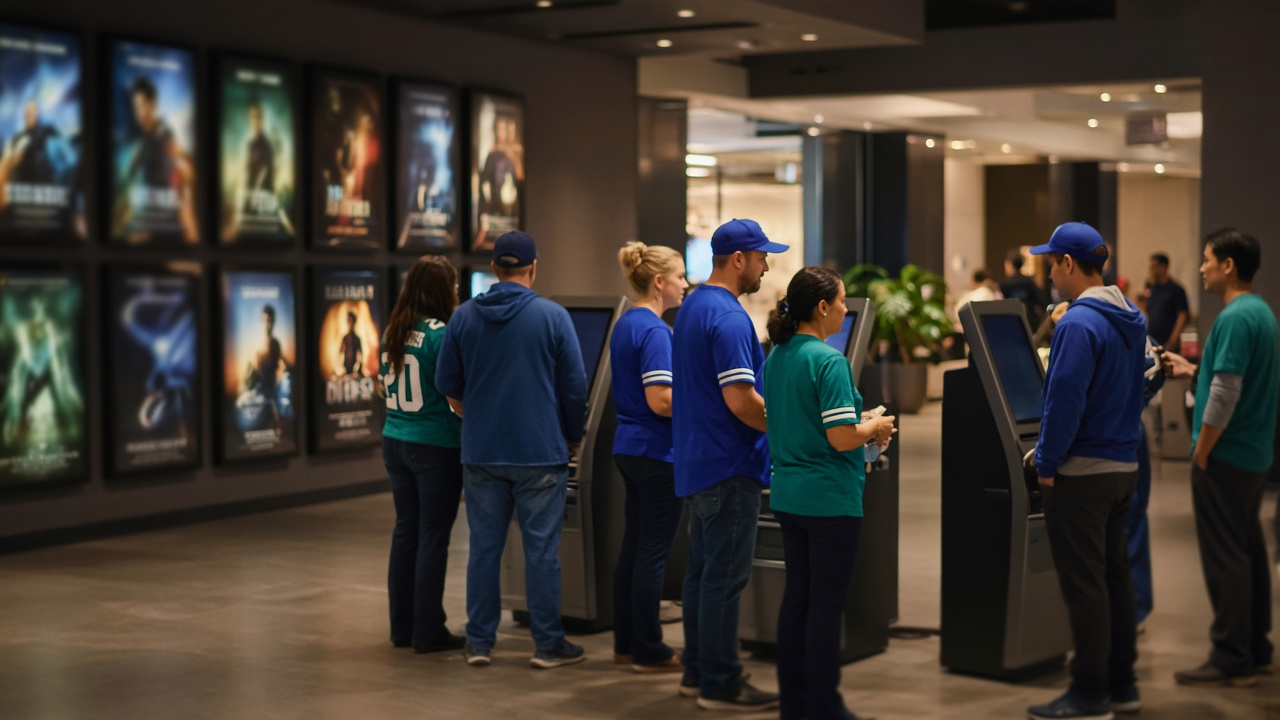
Toho Cinemas lined up after-midnight screenings in Fukuoka Thursday for anime features and archived Japan Series highlight reels as Nippon Professional Baseball's championship opener at Mizuho PayPay Dome sold out within minutes of the noon ticket release. The programming gives traveling fans a place to gather when hotel packages included stadium seats but companions struck out on the public lottery.
Programming choices
The Tenjin branch will run a subtitled documentary on Pacific League pennant races followed by a fan-vote episode of a popular baseball anime, while Hakata Station City's screens host shorter loops of classic Fukuoka SoftBank Hawks home runs for crowds exiting nearby izakaya districts. Tickets cost ¥1,800, below typical late-show premiums, with group discounts for fan club chapters bused from Kitakyushu.
Toho said rights holders waived minimum guarantees for two nights to support city tourism boards marketing Fukuoka as a series host. Merchandise kiosks inside lobbies stock Hawks collaboration goods that stadium vendors cannot ship to cinema sites.
Economic spillover
Hotels reported full occupancy weeks ago; cinemas hope to capture secondary spend from visitors who still want a communal viewing experience. Restaurants on Nakasu island extended kitchen hours to match Toho's 00:30 start times, a coordination local business associations promoted on social media.
Streaming platforms offered competing live commentary, but fan clubs argued cinemas provide atmosphere and noise ordinances keep residential streets quieter than outdoor public viewings in omoide yokocho alleys.
Safety and crowd flow
Fukuoka police asked Toho to stagger entry lines with the dome's dispersal schedule when games end near midnight. Extra security staff will check alcohol consumption at doors, mirroring stadium policies. The dome and cinemas share a metro stop, reducing drunk-driving risk if fans walk between venues.
Beyond game one
If the series returns to Fukuoka for a potential fifth game, Toho will add morning rebroadcasts for children barred from late shows. For now, Thursday's schedule turns ticket disappointment into box-office revenue—a small but telling example of how Japan's entertainment economy rides NPB's October calendar as much as stadium seats do.
Studio partnerships
Aniplex supplied promotional standees for select shows while Toho handled ticketing, splitting marketing costs that would have strained single-title distributors. City tax officials counted the screenings as cultural events qualifying for reduced amusement levies when attendance stays below dome capacity thresholds.
Travel agencies bundled cinema tickets with airport shuttle coupons after Kyushu Railway offered late-night train extensions from Hakata Station, reducing highway congestion when games run past eleven p.m.
Local radio stations simulcast crowd audio from cinema lobbies for listeners driving home from dome parking lots, a low-tech companion to Toho's premium screens.
Concession stands stayed open past 1 a.m. with simplified menus so staff could rotate between the dome and cinema complexes without missing last train connections on the Nanakuma Line.