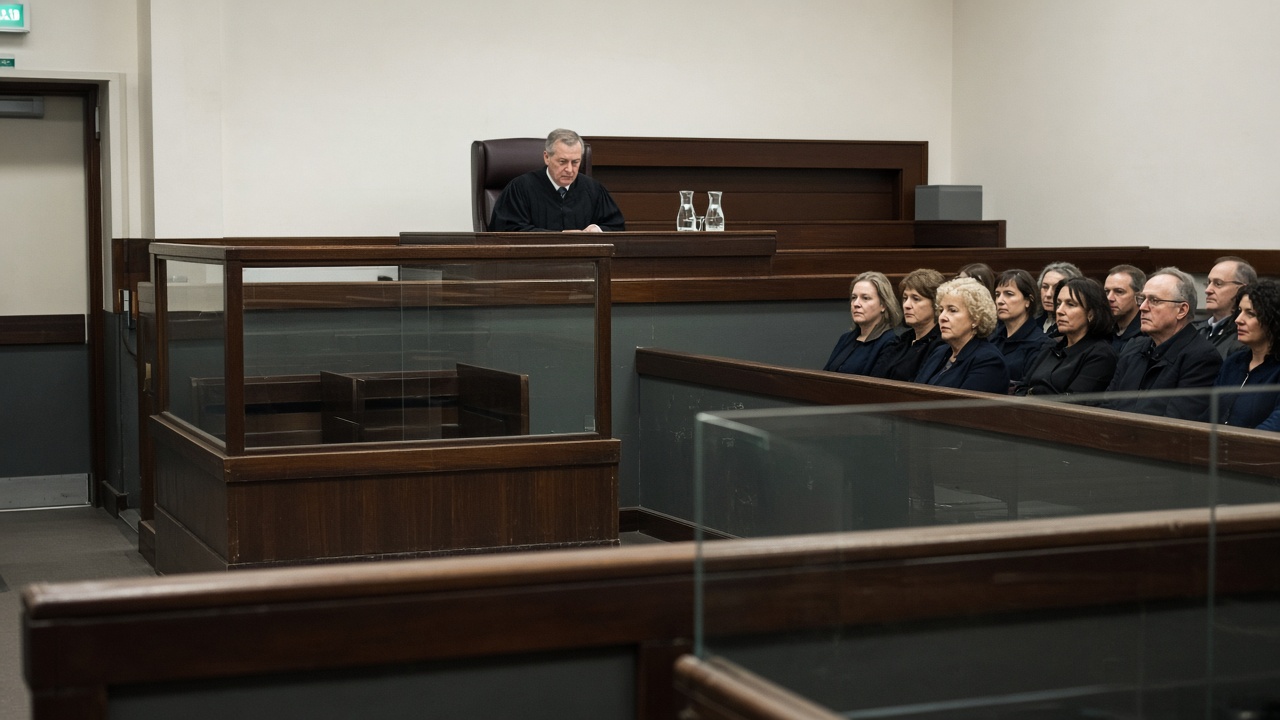
Judges in England and Wales will be able to keep convicted offenders in their cells for up to three weeks and suspend most social visits when criminals refuse to attend sentencing hearings, the Ministry of Justice announced on Wednesday. The sanctions are due to take effect next year.
The move extends a 2024 law that already requires defendants to appear for sentencing or risk contempt findings, fines and up to two extra years in prison. Ministers acknowledged that additional jail time alone rarely persuades inmates who are already serving life terms, so the new toolkit targets prison privileges instead.
What judges can impose
Under the planned rules, judges could order solitary confinement for as long as three weeks, ban social visits for nearly a month, and withdraw privileges such as television access for longer periods. They may also limit visits to once every four weeks for almost three months for persistent refusals.
Young adult offenders aged 18 to 20 would face similar restrictions but for shorter durations, the ministry said. Visits from prisoners' children would remain exempt, a carve-out officials said protects minors who did not commit the underlying offence.
Why families pushed for change
Relatives of murdered primary school teacher Sabina Nessa, law graduate Zara Aleena and mother-of-three Jan Mustafa have campaigned for tougher attendance rules after their loved ones' killers declined to hear victim impact statements in court. Thomas Cashman, convicted of shooting nine-year-old Olivia Pratt-Korbel, and triple crossbow killer Kyle Clifford also refused to appear for sentencing.
Prisons Minister Catherine McKinnell said criminals "should not be able to pick and choose when they face justice," calling a no-show "an insult to victims and their families." Victims' Commissioner Claire Waxman said the announcement followed "tireless efforts" by bereaved relatives and urged courts and prisons to apply the powers consistently.
Civil liberties caution
Prison Reform Trust chief executive Pia Sinha questioned whether evidence shows punitive cell confinement increases attendance, warning that visit bans punish prisoners' relatives "who have committed no offence themselves." Legal commentators said judges will retain discretion, but prisons must have capacity to enforce isolation orders without breaching existing safeguards on vulnerable inmates.
Parliament still needs to sign off implementing regulations before the powers bite. Until then, families watching high-profile murder sentencings will continue to rely on contempt prosecutions where prosecutors choose to pursue them.
The policy announcement lands as the government promotes broader victims' rights legislation, including easier access to pre-sentence reports and clearer communication when hearings move dates. Officials said the prison service would train governors on how to document privilege removals so appeals courts can review whether sanctions were proportionate.
Opposition MPs largely welcomed the sentiment behind the change but asked for impact assessments on prison violence and staff workload. McKinnell said the ministry would publish guidance alongside the statutory instrument expected early next year.