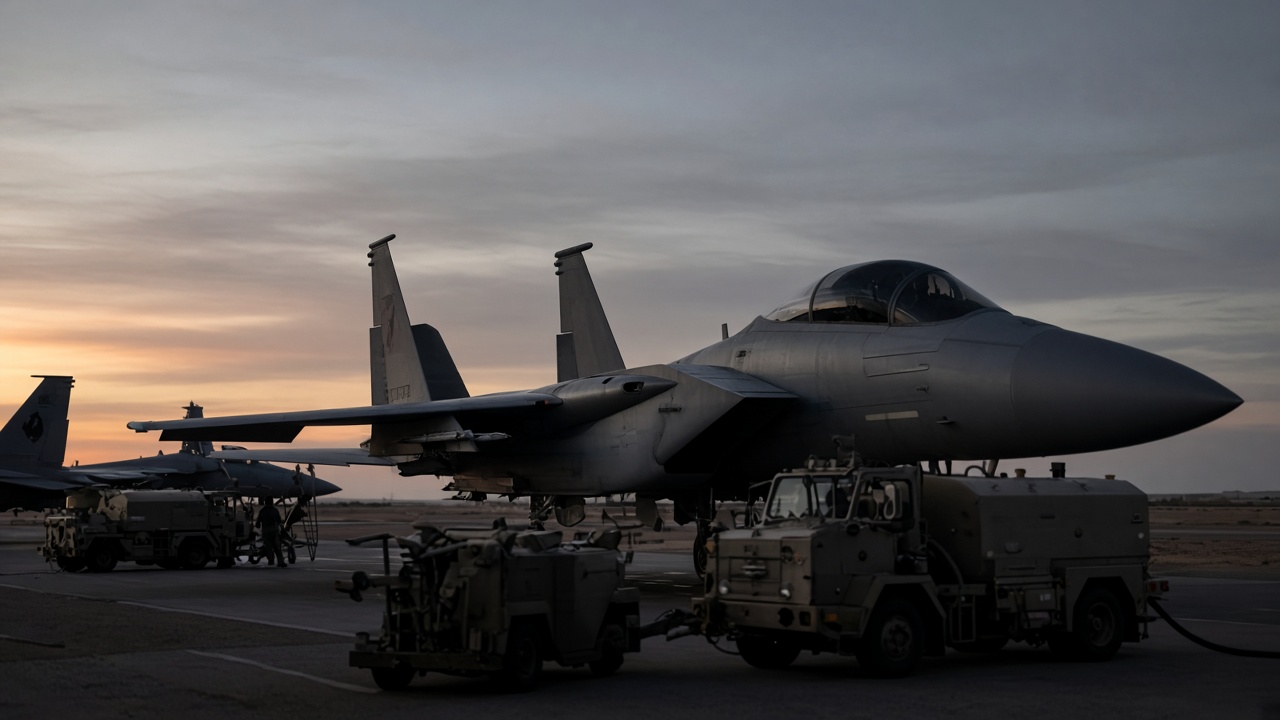
The United States and Israel have drafted specific plans for a renewed round of strikes on Iran to be carried out after the November 3 midterm elections, according to U.S. officials and others briefed on the deliberations. The New York Times reported the planning on Wednesday evening, describing a campaign that would be brief but heavy and would build on nearly eight months of open conflict in the region.
Defense Secretary Pete Hegseth met Prime Minister Benjamin Netanyahu in Israel this week to discuss the options, U.S. officials told the newspaper. American and Israeli forces have increased exercises in recent days, including flights over Iraq to practice strike routes, the report said. Likely target sets include Iran’s energy infrastructure, nuclear sites, and its missile and drone arsenals, though some officials argued refineries might be spared to avoid a spike in global fuel prices.
Timing, force posture and political brakes
Planners are weighing several clocks at once. President Donald Trump told reporters earlier in October that he did not intend to launch major new attacks before voters go to the polls. Officials said the full U.S. force package — including three carrier strike groups, thousands of Marines, fighter squadrons and special operations units — may not be completely in place until early November, when longer nights over Iran also favor U.S. strike patterns.
Nothing has been approved, the Times emphasized. Trump has repeatedly blocked proposals for a return to large-scale combat this year, most recently when U.S. and Israeli defense chiefs believed an operation was nearly ready to go, according to people familiar with the talks. A White House official told the paper the administration does not comment on military plans “that may or may not exist.” Israeli politics adds another variable: national elections are set for October 27, and a defeated Netanyahu would serve only as caretaker, complicating any decision to widen the war.
Regional fallout as diplomacy sputters
The planning leak landed as the State Department ordered non-emergency U.S. government employees and their family members to leave Saudi Arabia, citing intensifying Houthi attacks on civilian targets. Spokesman Tommy Pigott said on social media that the departure order applied only to Saudi Arabia, not the wider Middle East, even as diplomats continue to discuss Iran’s nuclear program and security in the Strait of Hormuz.
Iranian leaders have threatened to expand retaliation to data centers and undersea internet cables if attacks resume, while resisting Western demands on the nuclear file. Some U.S. planners believe a three-day wave of strikes could push Iran’s already strained economy closer to breaking point and strengthen U.S. bargaining power at the table, the Times reported. Others remain skeptical that another burst of bombing would produce a different outcome than the first phase of U.S.-Israeli strikes earlier in the year.
For now, the midterms and Israel’s vote form a hard window: militaries are rehearsing, diplomats are thinning out posts in the Gulf, and the decision still sits with a president who has shown both appetite for pressure on Tehran and reluctance to own a wider war in an election season.