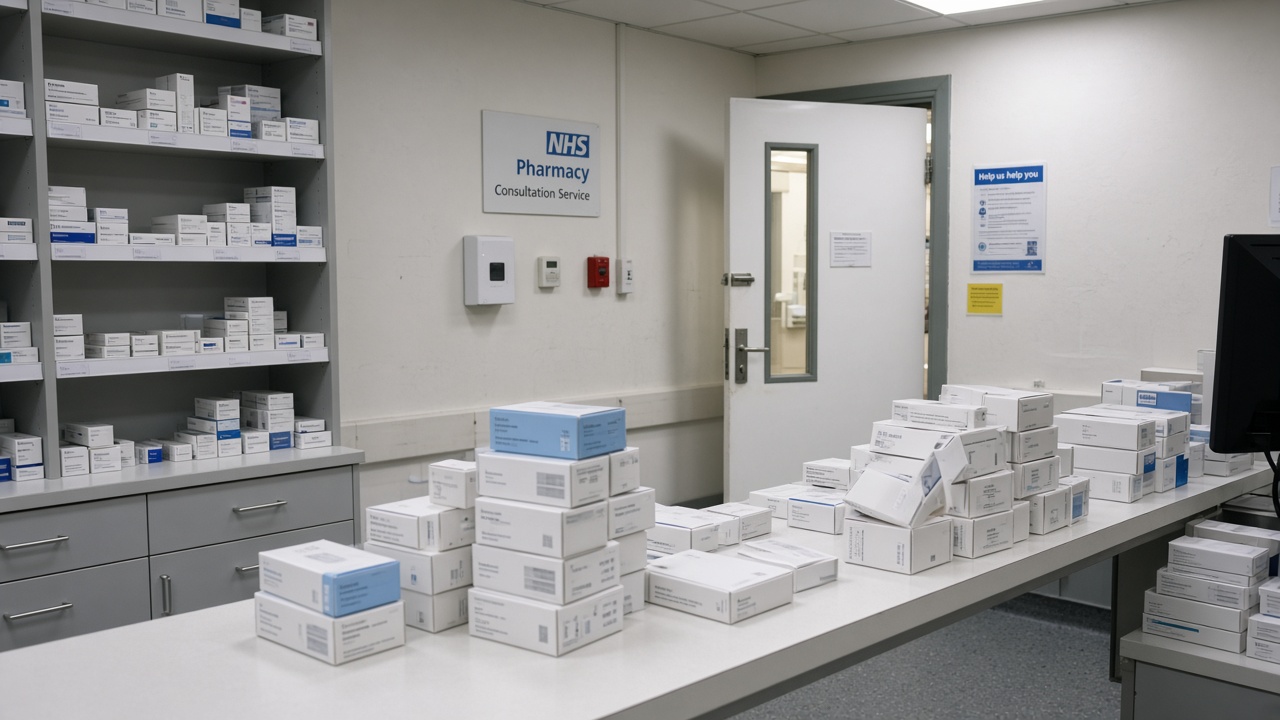
The House of Commons Health and Social Care Select Committee said the government’s rollout of tirzepatide through the NHS is “unambitious,” leaving a two-tier system in which patients who can pay privately access GLP-1 medicines far faster than those waiting on hospital lists.
In a report published on 23 October, MPs urged ministers to convene a summit with NHS England, regulators and licensed online pharmacies to expand safe access while closing loopholes that let unregulated sellers operate.
Committee findings
The committee argued that Mounjaro and similar drugs could ease pressure on obesity-linked diabetes and cardiovascular disease, yet NHS pathways reach “woefully few” eligible adults. It criticised the pace of specialist referrals and the lack of shared records between GPs and digital providers prescribing privately.
MPs recommended giving regulated online pharmacies secure access to update patient records when GLP-1 therapy starts, with privacy safeguards spelled out in the government’s formal response. They also called for a clear timetable to widen shared-care records so GPs see weight-loss prescriptions issued elsewhere.
Online pharmacy role
Private telehealth firms have filled the gap, but quality varies. The committee wants the General Pharmaceutical Council and Care Quality Commission to coordinate enforcement while harnessing reputable digital providers that already perform clinical checks and follow-up blood work.
Streeting’s wider “Be Ready” resilience campaign, launched separately this week, focuses on household preparedness rather than chronic disease prevention; the committee’s report keeps metabolic health on the parliamentary agenda ahead of winter pressures.
NHS capacity
Specialist endocrinology clinics were already stretched before GLP-1 demand surged. Without community pharmacy and GP-led protocols, hospitals risk becoming bottlenecks. The report’s summit proposal is a political pressure valve—but clinicians say only funded primary-care slots will change waiting numbers.
Clinical and equity debates
NICE technology appraisals for tirzepatide set eligibility thresholds that exclude many overweight adults without comorbidities, frustrating GPs who see private patients achieve weight loss while NHS lists grow. The committee report asks ministers to revisit those thresholds after real-world NHS pilot data arrive.
Private prescriptions can cost hundreds of pounds monthly, entrenching inequalities between professionals who can afford telehealth subscriptions and communities with higher baseline obesity rates. MPs want NHS England to pilot shared-risk models with pharmacies paid per patient stabilised rather than per prescription written.
Workforce planning must include dietetic and psychological support; GLP-1 drugs alone do not change food environments driving demand. Public health advocates worry political focus on injectables distracts from planning regulations on fast-food outlets.
Winter flu vaccination campaigns already strain pharmacy counters; adding GLP-1 counselling slots without funding risks burnout among locum pharmacists covering high street branches.
Ministerial response expected
Health Secretary Wes Streeting has championed technology adoption in the NHS but has not committed to the committee’s summit proposal. Department officials say NHS England is reviewing GLP-1 pilot sites before expanding eligibility, citing finite endocrinology staffing.