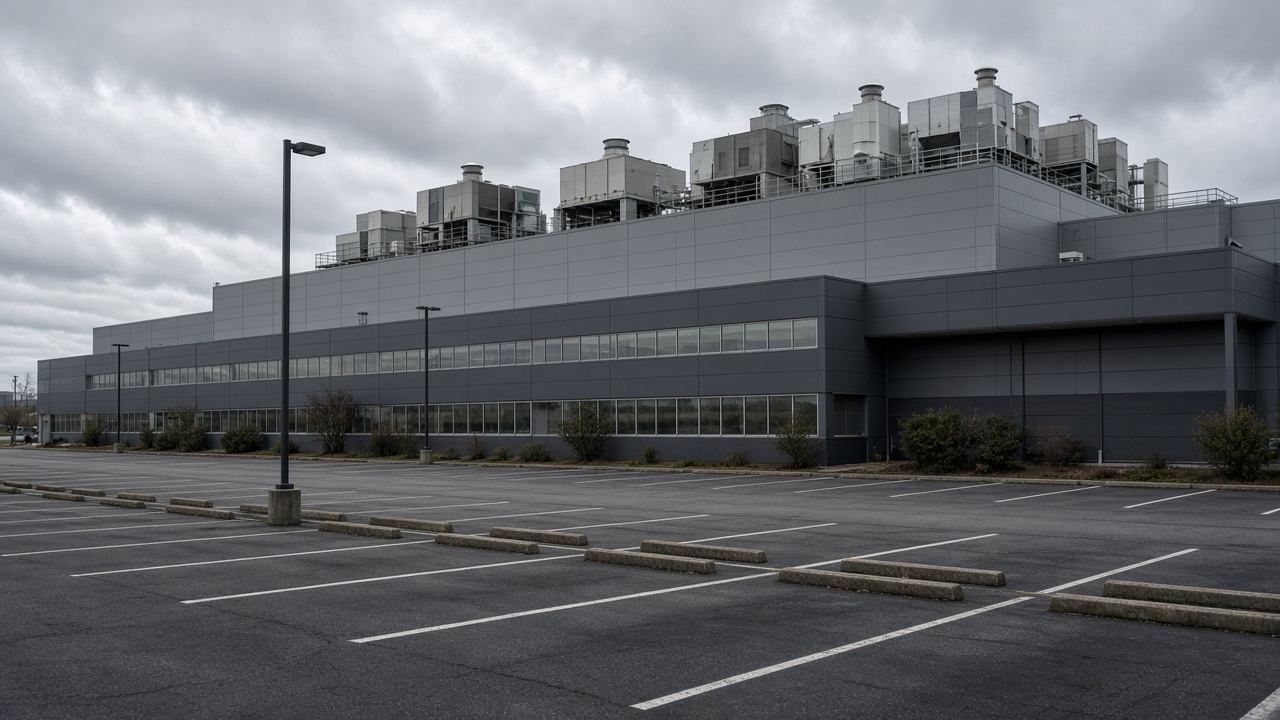
SK hynix Inc. said Friday it has suspended internal review of an initial public offering for Solidigm, its U.S.-based NAND flash unit, citing choppy memory markets and the difficulty of pricing a carve-out while investors punish semiconductor equities worldwide.
What the company disclosed
In a brief regulatory filing and follow-up statement to reporters at its Icheon headquarters, the chipmaker said no external bankers have been formally mandated and that earlier media reports about a near-term U.S. debut were premature. SK hynix acquired Solidigm from Intel in 2021 and has since integrated enterprise SSD roadmaps while keeping American sales and engineering teams largely intact in California and Oregon.
Management stressed that the pause is not a strategic retreat from enterprise storage. Rather, executives said they need clearer NAND pricing visibility after a six-week rally in Seoul-listed memory shares reversed on Friday when U.S. AI hardware names sold off overnight. Solidigm remains a wholly owned subsidiary; the decision affects timing, not ownership.
Why NAND IPOs are sensitive now
NAND flash makers live and die by average selling prices that can swing 30 percent within a quarter. SK hynix itself reported record operating profit in 2025 on the back of high-bandwidth memory for AI servers, but NAND margins lagged behind DRAM throughout the year. Floating Solidigm while NAND contract prices soften would force investors to compare the unit against publicly traded rivals such as Western Digital and Kioxia without the cushion of SK hynix’s broader balance sheet.
Analysts at NH Investment & Securities wrote Friday that a 2026 listing would have required proof that Solidigm’s AI-oriented SSD controllers could sustain gross margins above 25 percent for four consecutive quarters. The team now models a earliest window in the second half of 2027 if enterprise demand recovers.
Market reaction in Seoul
SK hynix shares fell with the broader Kospi on Friday, but traders said the IPO headline was secondary to profit-taking in Samsung Electronics and other chip heavyweights. Bondholders focused on whether SK hynix will redeploy listing-related advisory fees into capex for its Yongin cluster, where the group is building one of the world’s largest advanced packaging campuses.
Foreign funds, which had been net buyers of Korean memory stocks for much of October, turned cautious after U.S. futures slid on concerns that hyperscaler capital spending could slow. That macro read-through matters for Solidigm because its pitch to investors rests on data-center upgrade cycles, not consumer handsets.
Intel legacy and integration costs
Solidigm still carries integration costs from Intel’s 3D NAND fabs in Dalian, China, which SK hynix does not operate but services through licensing and supply agreements. The unit’s U.S. workforce has shrunk through voluntary retirement programs, yet R&D spending rose as SK hynix pushed QLC enterprise drives for cloud archival tiers.
People familiar with the board’s discussions said directors worried that U.S. securities rules would force granular disclosure about China-related revenue at a moment when Washington is expanding outbound investment restrictions on advanced technology. SK hynix declined to comment on whether regulatory risk factored into the pause.
What shareholders watch next
The next checkpoint is SK hynix’s fourth-quarter earnings call in January, when executives typically update bit growth and capex. If NAND pricing firms and Solidigm’s enterprise bookings accelerate, internal bankers could reopen the IPO file quickly. Until then, the company said it will fund Solidigm operations from consolidated cash flow, which stood above 20 trillion won at the end of the third quarter.
For Korean investors, the message is straightforward: SK hynix is not abandoning the American storage market, but it will not hand Wall Street a listing story until memory investors stop treating every chip name as a proxy for U.S. AI sentiment.
Analyst calls
Daishin Securities lowered its near-term valuation band for SK hynix by 3 percent, citing IPO advisory savings but welcoming reduced dilution risk. Retail investors on online forums debated whether Solidigm might instead pursue a private placement with sovereign wealth funds from the Middle East.
SK hynix reiterated that DRAM and HBM investments remain the capital allocation priority, with Yongin packaging receiving the bulk of 2026 spending. Solidigm engineers will continue working on PCIe Gen6 controllers regardless of listing status.