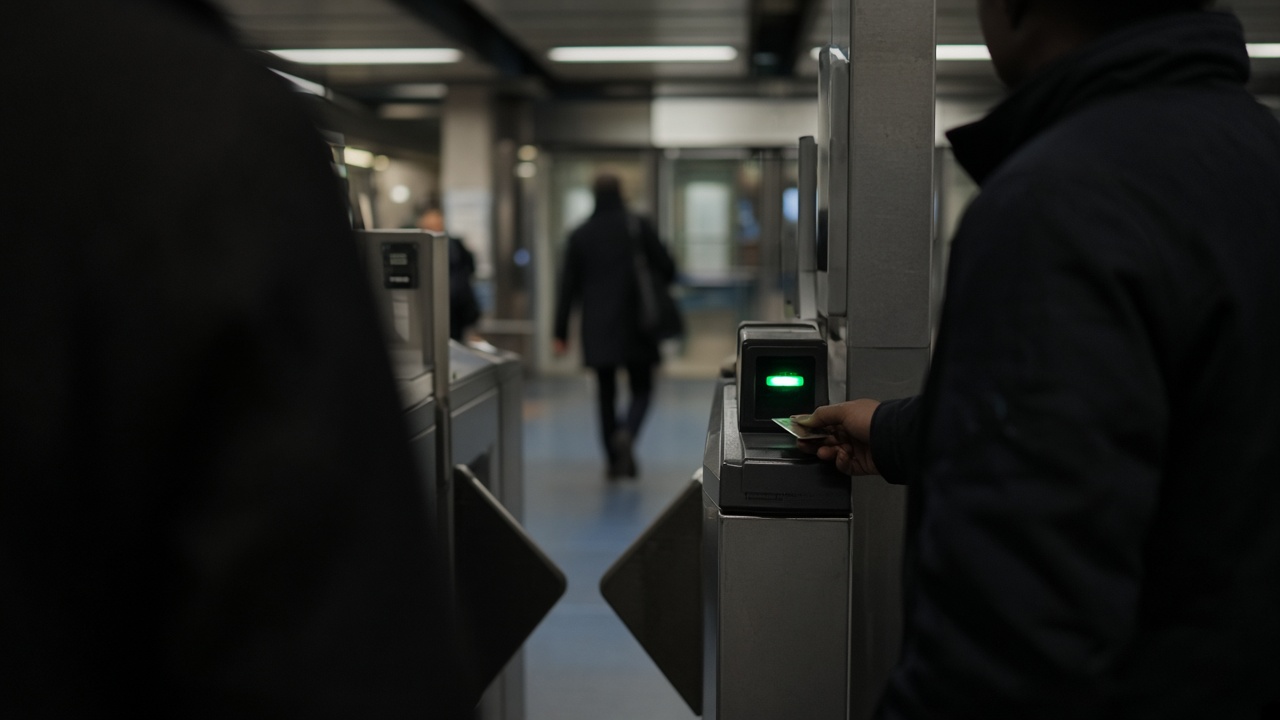
Sumitomo Mitsui Card Co. will raise point multipliers on transit wallet charges through Dec. 31, betting that Tokyo commuters who reload Suica and PASMO balances via linked Visa cards care more about everyday returns than airport lounge keys. Yuki Sato’s credit-cards desk reads the promo as a defensive move in a market where Rakuten Card and PayPay chase fitness and convenience-store tie-ins while inflation pushes households to squeeze value from mandatory spending.
How the multiplier works
Cardholders who enable mobile wallet reloads on designated SMBC Visa products earn elevated points on each transit top-up, capped monthly per account. Auto-reload thresholds must be set inside the wallet app; in-store cash loads at station kiosks do not qualify. Points post on the standard billing cycle, not instantly at the gate.
The bank excludes corporate cards and some co-branded university lines. Foreign residents with valid residency cards can enroll if their wallet links to an eligible personal account.
Why transit, why now
Commuter rail revenue has recovered past pandemic lows, and mobile-wallet reloads are the fastest-growing reload channel on JR East’s disclosures. Card issuers fight for default status in Apple Pay and Google Pay menus because transit taps are sticky—even when shoppers rotate premium cards for dining.
SMBC’s offer lands as the Bank of Japan prepares to hold rates next week while signaling December tightening risk. Higher policy rates eventually lift card funding costs; issuers use point economics now to lock in spend before margin pressure arrives.
Comparison with rival perks
AEON Card’s recent hotel insurance add-on targets leisure travelers; SMBC’s play is frequency. Rakuten Card still wins on ecosystem redemptions for users who shop its marketplace daily. PayPay Card competes on convenience-store and drugstore multipliers. None of the programs change the underlying interchange economics transit merchants negotiate with wallets.
Sato advises reading the fine print on annual fees: elevated multipliers rarely offset a premium tier fee unless reload volume exceeds roughly ¥40,000 per month for the highest earn rates quoted in marketing sheets.
Consumer safeguards
Transit reloads are still credit-card charges. Missing a payment due date erases point value faster than any multiplier builds it. The Consumer Affairs Agency continues to warn about overspending on reload auto-top-ups when commuters double-link debit and credit sources.
Lost phones should trigger wallet suspension before card cancellation; SMBC’s hotline sequence is unchanged by the campaign.
What to watch
If the yen strengthens further, overseas travel perks on rival cards may look richer by comparison—SMBC will need to extend or deepen transit earn rates into 2027 to keep wallet default status. Regulatory scrutiny on loyalty program expiration dates remains light but could tighten if inflation politicizes household finance.
For most riders, the decision is arithmetic: multiply expected reloads by the bonus rate, subtract fees, and ignore lounge marketing unless you already fly monthly.
Tax and statement quirks
Point grants are taxable only in rare cases involving employer-funded programs; SMBC’s consumer promo uses standard loyalty accounting. Cardholders who mix personal and business reloads on one wallet should tag expenses in accounting apps—multipliers do not apply to corporate cards even if the phone profile looks identical.
Year-end statement PDFs will break out transit bonus points in a separate line starting with December closings, helping households reconcile rewards against annual fee notices mailed in January.
Wallet competition
Apple Pay’s default card slot resets when users upgrade phones; SMBC is pushing in-app reminders during October device launches to retain top-of-wallet status. PASMO’s own point program remains modest, keeping bank-card multipliers the main earn lever for most commuters.
Historical earn rates
SMBC last ran a transit multiplier campaign in 2024 with a lower cap; data showed average reloads rose 8 percent among enrolled users but churn returned after the promo ended. This year’s higher cap targets power commuters on the Yamanote and Tokaido corridors who reload daily rather than weekly.