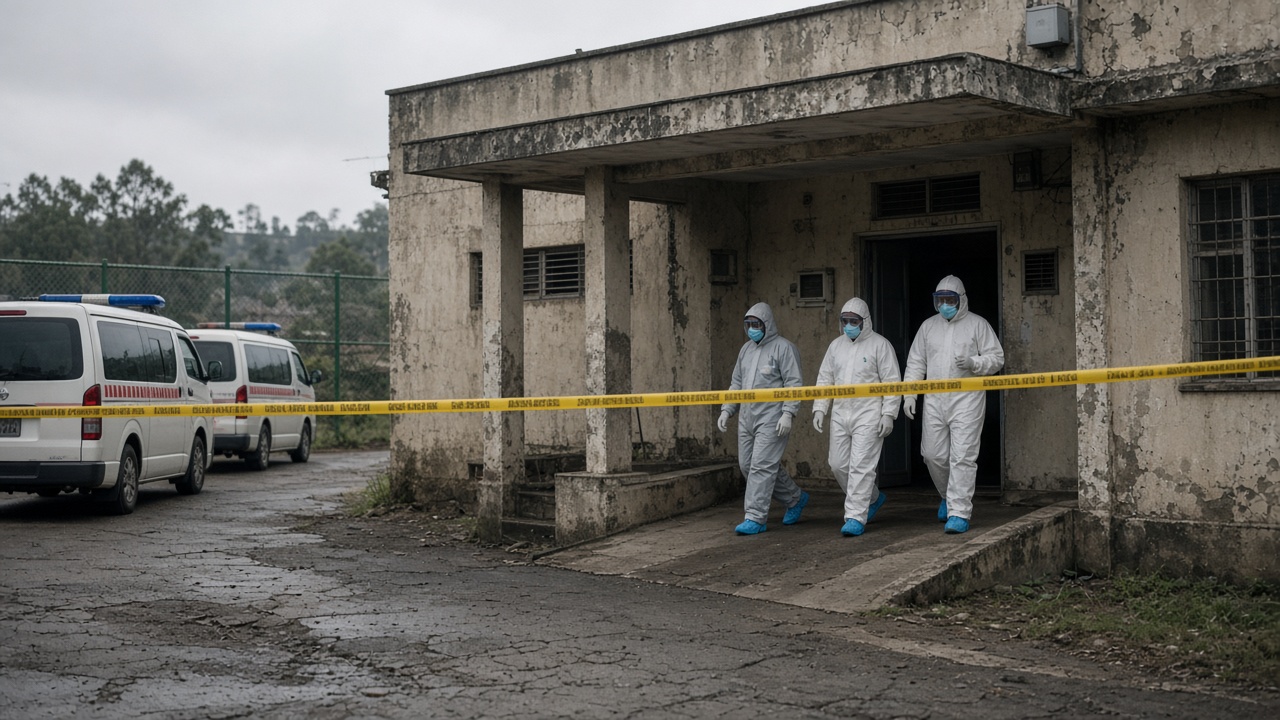
Kenya recorded its second death from Ebola on Friday when a 65-year-old woman who had been quarantined as a close relative of the country’s first patient died at an infectious-disease unit in Nairobi, the Health Ministry said. The loss deepens Nairobi’s response to the country’s first domestic outbreak of Bundibugyo virus disease while authorities stress that all nine confirmed cases trace to one family cluster.
What the ministry reported
Director-General Patrick Amoth said in a statement issued late Friday that the woman was a direct contact of the index case, a man who had travelled from the Democratic Republic of the Congo and died in the capital on 5 October. She developed symptoms on 13 October while under quarantine and was admitted the same day for supportive care.
Medical teams “did everything possible to save her life,” Amoth said, but she succumbed early Friday evening. Her family has been notified, and the ministry said it would arrange a safe burial in consultation with relatives.
The ministry put the toll at two deaths among nine confirmed cases. Seven patients remain in two isolation facilities. Officials repeated that there is no evidence of community spread beyond known contacts.
Tracing and regional context
Since the index case was identified, Kenyan authorities have traced 135 contacts, all placed in quarantine, according to ministry figures cited by Reuters. The outbreak is linked to a wider Ebola emergency in central Africa that has killed more than 4,000 people in the DRC since May, with cases also reported in Uganda, Nigeria and elsewhere on the continent.
World Health Organization teams have supported Kenya’s laboratory confirmation and contact management. WHO Africa regional officials said this week that cross-border surveillance between Kenya, Uganda and the DRC would intensify while the wider central African outbreak continues. For readers in Nairobi, the ministry’s public messaging has focused on isolating known exposures rather than broad movement restrictions, though health workers and airport screening remain on heightened alert.
What happens next
Surveillance will continue on remaining quarantined contacts while clinicians monitor the seven hospitalized patients. Burial protocols for Ebola require strict infection control, and the ministry said it is coordinating with families to prevent unsafe funeral practices that have amplified past outbreaks.
Kenyan officials have not announced new border closures but have urged vigilance along routes from the DRC. Neighbouring states are watching whether any secondary transmission appears outside the traced cluster; so far, Amoth said, every case fits the same epidemiological chain.
Public-health experts note that Bundibugyo virus disease is a distinct Ebola species with a lower historical case-fatality rate than Zaire ebolavirus, but it still demands strict isolation. Kenya’s health ministry has published hotlines for travellers with fever after contact with confirmed cases and said vaccine stocks for health workers are being coordinated with international partners.