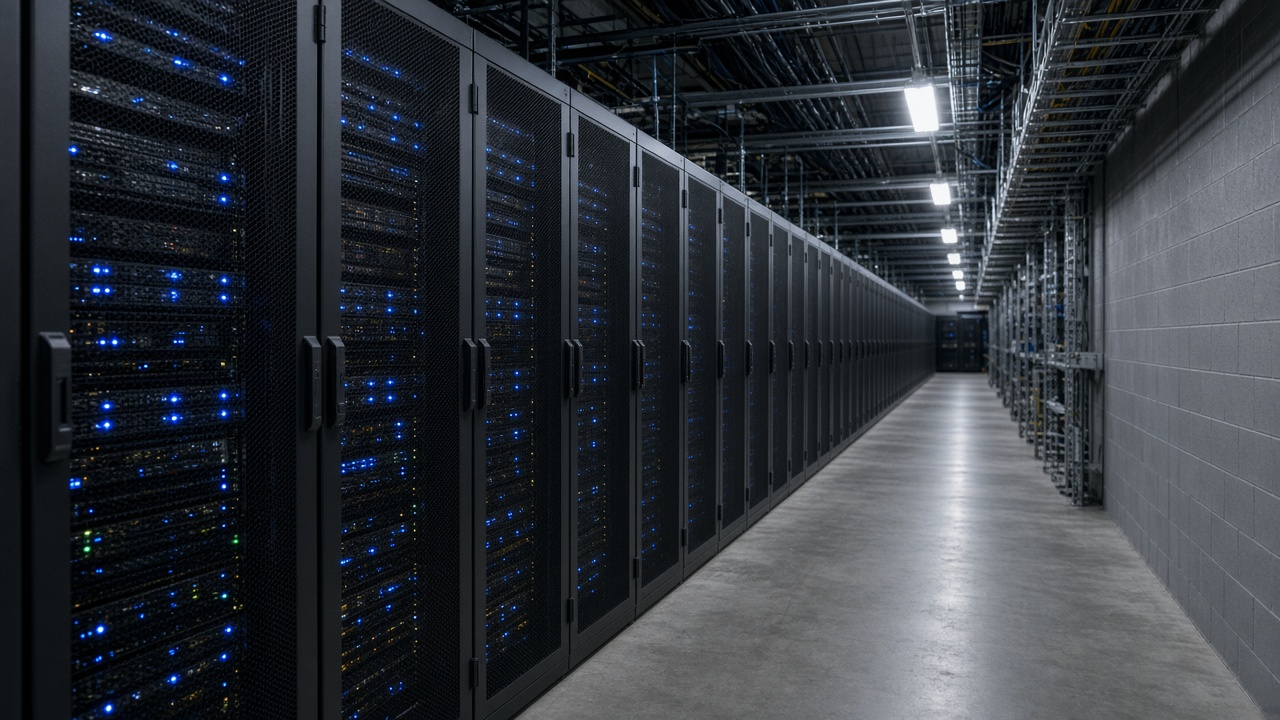
India’s push for sovereign artificial-intelligence capacity enters a procurement countdown this week as the Centre for Development of Advanced Computing (C-DAC) keeps its request for empanelment open through 3:30 p.m. IST on 29 October for vendors willing to supply up to 10,000 AI compute units in Indian data centres. Ananya Krishnan’s AI desk tracks the tender as a second large block after earlier IndiaAI Mission onboarding that media reports put above 38,000 GPUs at subsidised hourly rates.
Tender mechanics
C-DAC published reference C-DAC/GPU/01/2026 on 7 October, according to StartupFeed’s summary of the 43-page document. Bidders must cluster at least 512 units in a single Indian facility, with optional 1,000- and 4,000-unit blocks. Hardware tiers reference NVIDIA H100 and H200 class accelerators or successors. Empanelment lasts three years extendable by three, with actual purchases staged through Government e-Marketplace rounds.
Union electronics and IT minister Ashwini Vaishnaw said on 8 October the government seeks five-year assured usage rather than a single upfront purchase, letting ministries and startups book capacity as workloads mature. Technical scoring in published summaries weights GPU density, financial turnover—₹120 crore average cited—and domestic data residency.
Sovereignty requirements
MediaNama’s read of the RFE stresses that infrastructure, logs, backups and disaster recovery must remain in India, with C-DAC workloads isolated from other tenants. That aligns with MeitY’s broader localisation posture on public-sector cloud and with startup complaints that renting overseas clusters slows compliance reviews.
Winning vendors cannot subcontract operations, a rule meant to keep accountability with the empanelled operator. Bids stay valid 180 days; opening is scheduled for 30 October at 4 p.m., giving evaluators a narrow Diwali window before technical presentations.
Who bids and who benefits
Hyperscalers with Mumbai and Hyderabad regions, domestic colocation firms, and systems integrators packaging GPU pods are expected to compete. Startups gain only if Stage-2 GeM buying is transparent and hourly rates stay near the ₹65 cited in February mission publicity; otherwise empanelment becomes a paper exercise.
Academia and government labs want fine-tuning capacity for Indic languages and weather models; ministries want inference for citizen-service chatbots. Each constituency has different latency needs, so C-DAC’s cluster sizing will shape which users see relief first.
Limits of the headline
Ten thousand units is meaningful domestically but modest beside million-GPU builds abroad. India still imports silicon; sovereign compute here means controlled hosting and billing, not fab ownership. Vaishnaw separately mentioned a three-to-four-year horizon for homegrown inference chips—a parallel track this tender does not solve.
GPU crunch stories in September led MeitY to recalibrate mission timelines; this RFE is the operational response. Failure modes include bids that meet paperwork but underdeliver utilisation, or ministries that lack budgets to buy Stage-2 hours.
Calendar for builders
Pre-bid clarifications closed 14 October online. Vendors polishing proposals over the weekend should confirm power and liquid-cooling contracts at target sites—summer peaks in western India already stress grids. Evaluations likely slip into November if Diwali holidays slow committees.
Krishnan’s desk will report opening outcomes once C-DAC publishes shortlists. Until then, the story is the bid clock: three days left for providers to promise half a decade of compute India can audit onshore.
Pricing and utilisation risk
February mission publicity cited subsidised hourly rates near ₹65 for earlier GPU pools; this RFE does not fix a public tariff, leaving ministries to negotiate in Stage-2 buys. Cloud economists warn that underutilised clusters still bill power and cooling, a fiscal risk if agencies buy hours they never schedule.
Indian startups that trained large language models overseas said import delays on H100 servers eased in September but remain slower than Singapore turnarounds; onshore empanelment is meant to remove customs friction, not magically create silicon.
Academic consortia hope C-DAC will publish utilisation dashboards so Parliament can see whether taxpayer-funded GPUs serve public-interest models rather than private fine-tunes alone.
Defence and space agencies watching the tender want encrypted partitions for classified fine-tunes, a requirement bidders must price even if civilian startups dominate headlines.