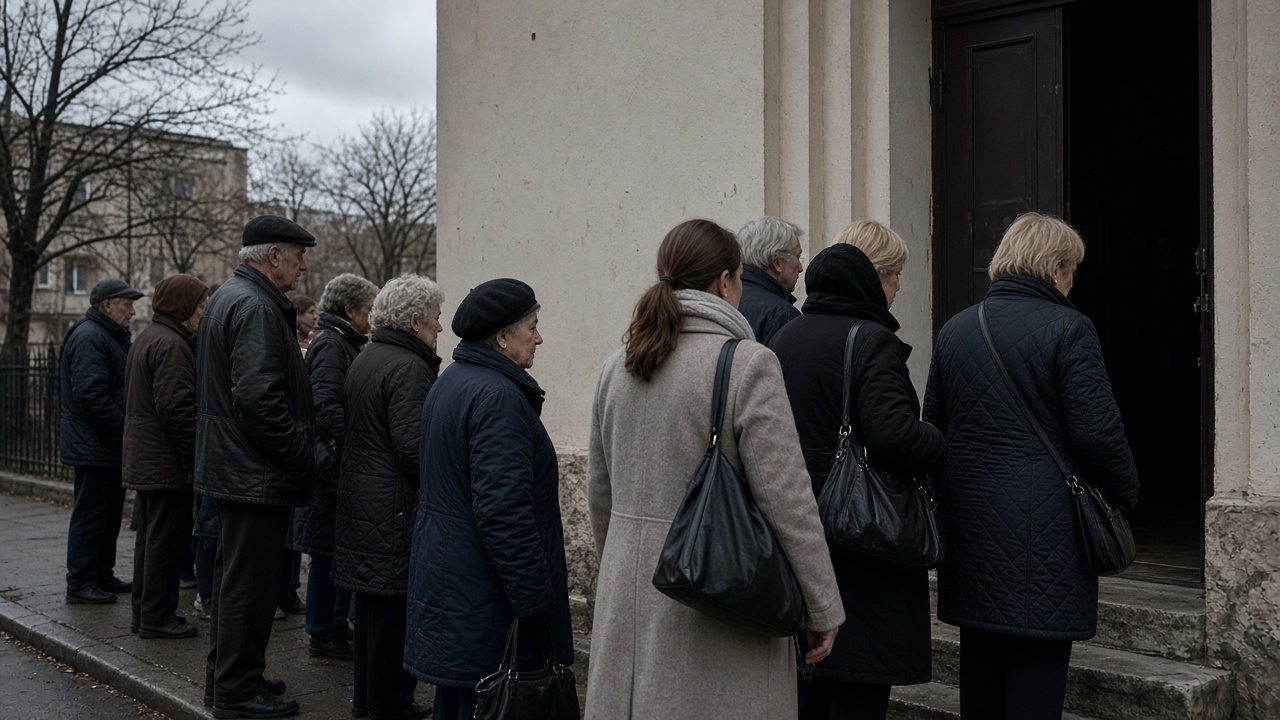
Bulgarians voted Sunday in a presidential contest shaped as much by grocery bills and Black Sea shipping scares as by the war in Ukraine, with early turnout tracking well below prior races and exit polls pointing toward a November runoff between two familiar rivals.
What voters are deciding
Although Bulgaria's president commands fewer levers than the prime minister, the office still shapes coalition talks, vetoes legislation, and represents Sofia at EU summits. Sunday's vote is therefore a temperature check on Radev's government seven months after his party topped April's parliamentary election but failed to secure a durable majority.
About 6.59 million citizens were eligible to choose among 27 presidential tickets in the first round, according to election officials and local media tallies. Polls opened at 7 a.m. and close at 8 p.m. local time; the Central Election Commission is expected to publish certified results by October 27.
Incumbent President Iliana Yotova, backed by Prime Minister Rumen Radev's Progressive Bulgaria movement, has campaigned on dialogue with Moscow and skepticism toward sending military aid to Kyiv. Former caretaker Prime Minister Andrey Gyurov, supported by pro-European opposition parties, has argued Bulgaria should align more tightly with NATO and the European Union on energy and defense.
Turnout alarms party strategists
By midmorning, participation hovered near 6 percent nationwide in exit surveys commissioned by Bulgarian broadcasters, compared with roughly 8.6 percent at a similar hour in the 2021 presidential vote. In some southern districts such as Kardzhali, turnout was below 3 percent at 11 a.m., regional election boards reported.
Analysts said the weak numbers reflected voter fatigue after repeated parliamentary elections, frustration over inflation, and a crowded field that includes nationalist and protest candidates splitting the protest vote. For tens of thousands of teenagers voting for the first time after turning 18 since April's parliamentary contest, the ballot is also a debut without the drama of a simultaneous parliamentary race.
Security and the economy on the ballot
Campaign debates have repeatedly returned to drone incidents targeting commercial vessels off Bulgaria's Black Sea coast and to household energy costs. Yotova has portrayed herself as a stabilizing figure who can keep Sofia out of direct confrontation, while Gyurov has promised to accelerate EU-funded grid upgrades and to scrutinize Russian influence in banking and media.
Neither candidate is forecast to clear the 50 percent threshold required for an outright first-round win. Pollsters projected Yotova in the low-to-mid 40s percent range and Gyurov in the high 20s, setting up a likely second round on November 1.
What happens next
Overseas voting in 371 stations abroad concluded Saturday, the Foreign Ministry said. Domestic observers from the Organization for Security and Co-operation in Europe are monitoring Sunday's count. Party leaders urged supporters to return to polling sites in the afternoon, but officials cautioned that any runoff would prolong Bulgaria's political uncertainty even if the presidency remains a largely ceremonial post.
European diplomats in Sofia said they would watch whether the eventual winner accelerates Bulgaria's euro-zone entry talks or stalls them over fiscal rules, a decision that could ripple through Balkan bond markets regardless of Sunday's turnout.