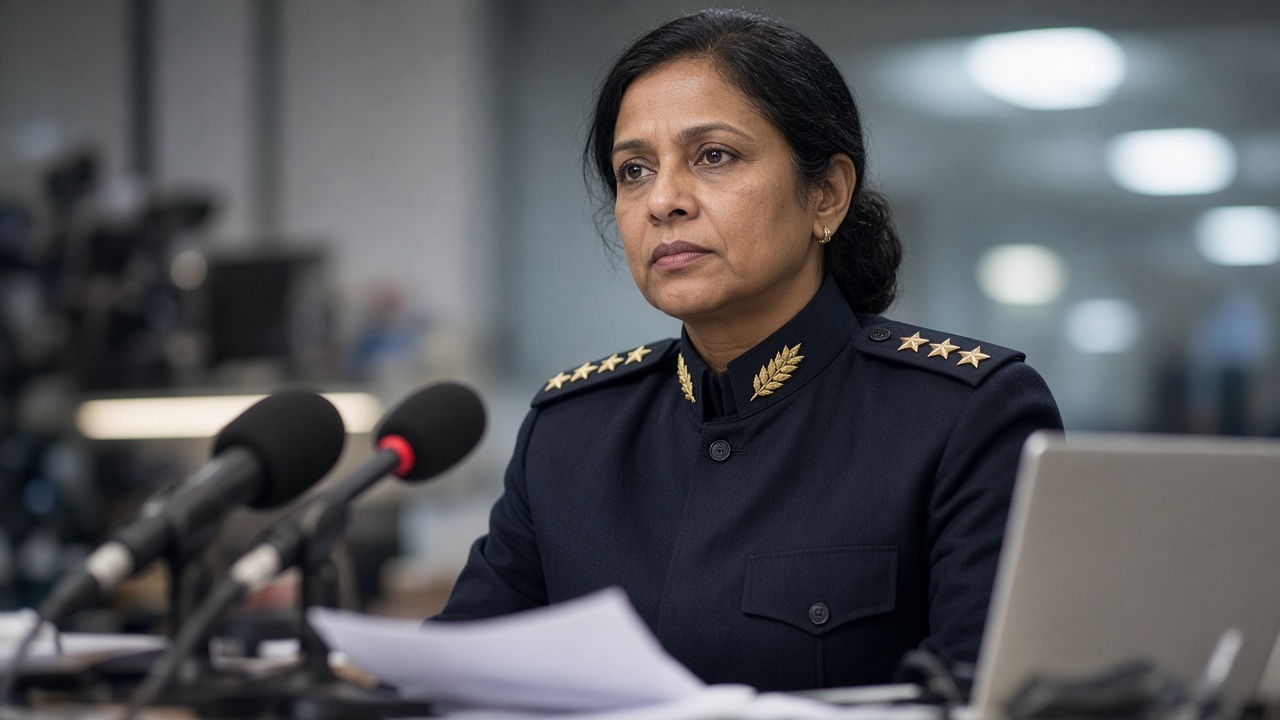
Australian Federal Police Commissioner Krissy Barrett said inflammatory political language has a direct, sometimes immediate, link to threats and abuse directed at federal parliamentarians, warning that online harassment has turned her morning intelligence brief into a thick daily stack of reports.
Speaking to the ABC’s Insiders on Sunday, Barrett stressed police were not trying to police legitimate debate or curtail free speech. But she challenged anyone who read the material MPs forwarded to the AFP to treat violent or sexualised threats as normal political discourse.
After the Wangaratta attack
The interview landed a week after independent MP Helen Haines was struck by a car outside her Wangaratta electorate office. Haines remains in hospital in a serious but stable condition; police have said both her legs were amputated. Brendan Nugent, 43, has been charged over the incident.
Barrett said investigators were still working to establish motive and cautioned that process could take weeks or months, including scrutiny of reported mental-health issues and social-media activity. She said it was not yet clear whether the attack was tied to Haines’s role as a parliamentarian.
‘Words matter’
Barrett echoed recent comments from ASIO director-general Mike Burgess that leaders’ announcements can shift the threat environment. When political rhetoric heats up, Barrett said, “we regularly see harassment of MPs increase” and the correlation can be “very immediate.”
Asked about satirical One Nation cartoons depicting politicians being hit by vehicles, Barrett said such imagery could provoke community reactions. “Words matter, and we do see the flow-on impact from that,” she said.
Gendered abuse and security decisions
Barrett said threats reported to the AFP were roughly evenly split between male and female MPs, but abuse targeting women was more likely to include sexual-violence threats. She contrasted handwritten hate mail from earlier in her career with keyboard attacks that can be fired off in seconds.
Federal politicians have described mixed experiences with protective support since the Haines attack. Barrett defended the resources devoted to MP security, arguing the focus should be on flexible capabilities and technology rather than raw budget size. Police would keep briefing MPs, she said, but personal safety choices remained with each member.
Canberra’s response
The Albanese government is considering fast-tracking recommendations from an inquiry into support for politicians, according to reporting on Sunday, as MPs prepare to return to Parliament on Monday for tributes to Haines and a likely debate on additional security measures.
Barrett’s remarks frame that discussion around tone as well as hardware: duress alarms, staffing and building upgrades may help, but she argued the volume of threats also rises when public debate turns vicious. For voters watching from outside the Canberra bubble, the commissioner’s message was blunt — political speech that normalises violence can show up in police inboxes the same day.