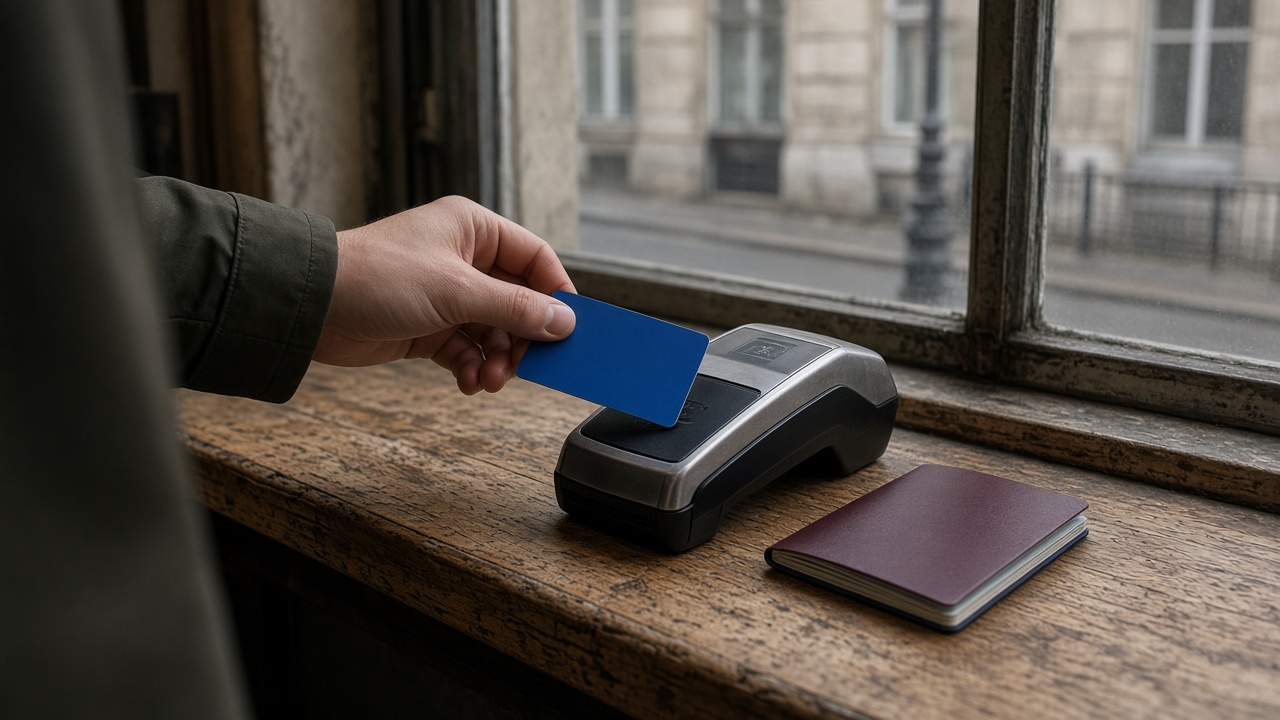
Chase stopped charging a 3 percent foreign transaction fee on the Freedom Flex card on Sept. 20, 2026, turning a popular no-annual-fee cash-back card into something you can actually swipe abroad without a silent tax on every purchase. The same change notice stripped cellphone protection for cardholders who paid their wireless bill with the Flex—a trade that matters if you were using the card for both travel and device coverage.
What changed on the card
Before Sept. 20, Chase added 3 percent to the dollar value of purchases processed outside the United States or through foreign merchants online, even when the checkout page showed U.S. dollars. That fee applied on top of whatever exchange rate the network used, so a €90 dinner could quietly become more expensive than the receipt suggested.
As of Sept. 20, those charges are gone on Freedom Flex, Chase confirmed in a Sept. 21 release. The card still earns 5 percent on rotating quarterly categories (up to $1,500 in combined purchases when activated), 5 percent on Chase Travel, 3 percent on dining and drugstores, and 1 percent elsewhere, with no annual fee.
The coverage you lose
Chase also ended complimentary cellphone protection on the Flex for bills paid with the card. The benefit had covered up to $800 per claim and $1,000 per year for damage or theft, with a $50 deductible and a two-claim annual cap. Cardholders who relied on that coverage need another card paying the wireless bill before a phone cracks on a trip.
Freedom Flex still carries purchase protection, extended warranty, trip cancellation and interruption insurance, and auto rental coverage, according to Chase’s benefit guide. None of those replace phone insurance if you were depending on the Flex specifically for that perk.
How this compares in your wallet
Chase’s older Freedom Unlimited and Freedom Rise cards still carry foreign transaction fees, so the Flex is now the outlier in the Freedom family for international spend. Among no-annual-fee issuers, that puts the Flex closer to cards marketed for travel, though it still lacks lounge access or a fixed travel credit.
For a household that carries one general-purpose card, the math is straightforward: if you spend $3,000 abroad in a year, eliminating a 3 percent fee saves about $90 before rewards. Whether that outweighs losing phone protection depends on your handset value and whether you already pay for carrier insurance.
What to do before your next trip
If Freedom Flex is your travel card, update any recurring foreign subscriptions so they run on the Flex now that the fee is gone. If you used the Flex for cellphone protection, move the wireless autopay to a card that still includes that benefit—many Wells Fargo and Amex products do—and confirm the switch posts before your next billing cycle.
Chase also began previewing quarterly bonus categories further in advance; grocery stores and select streaming services are slated for the first quarter of 2027. Activating categories before you leave the country still matters because foreign purchases only earn the elevated rate when the merchant category codes correctly.
Issuer angle
Chase framed the update as “more travel value” on a card built for everyday cash back, and added Points Boost redemptions on select hotels through Chase Travel. For the bank, dropping a fee on a mass-market product is a way to keep Flex holders from moving international spend to Sapphire or partner cards—while trimming a benefit that generated claims.
For cardholders, the practical read is simpler: the Flex is now a credible backup for overseas dining and shopping, but not a one-card solution unless you have phone coverage elsewhere.