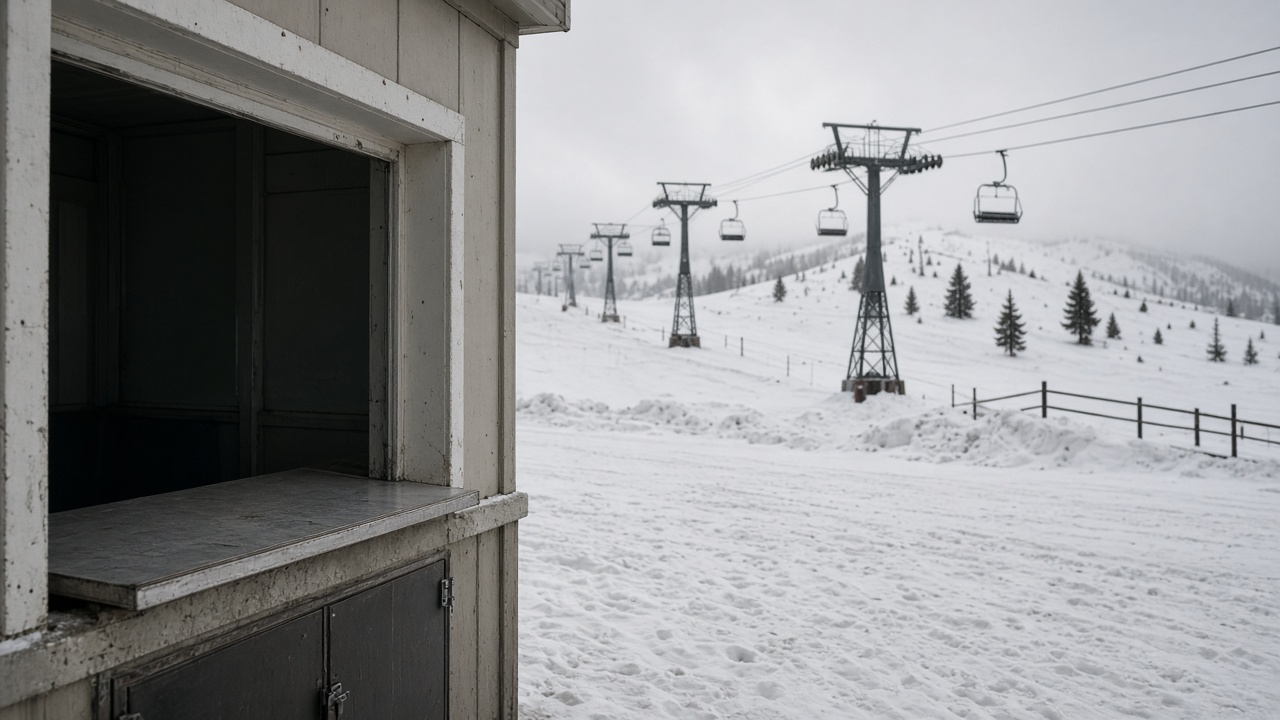
EPOS Card Co. linked Niigata ski-area lift pass preorders to zero-interest installment plans for eligible cardholders, a seasonal campaign aimed at locking early-season revenue before snowpack forecasts firm and a weak yen pushes up imported rental gear at resorts. Yuki Sato’s credit-cards desk reads the bundle as issuer marketing—not resort financing—because EPOS funds the installment window from interchange and partner rebates rather than lifting ticket prices at the chairlift gate.
Offer structure
Participating areas in Niigata published preorder windows through EPOS’s travel portal, listing adult and child pass tiers that settle on the card in lump sums but repay across equal monthly installments without finance charges when terms are met. Pass fulfillment remains at resort pickup counters; the card benefit is payment timing, not skip-the-line privileges.
Zero-interest plans require on-time payments and active accounts without delinquencies; missed installments typically revert to standard revolving rates on remaining balances per cardholder agreements.
Why Niigata and why now
Niigata’s Myoko and Yuzawa corridors compete with Nagano for Tokyo weekend skiers. Early preorder campaigns help resorts smooth cash flow before snowmaking investments and bus charter deposits come due. EPOS gains spend concentration on its co-brand during a quarter when general-purpose cards run travel promotions elsewhere.
Weather agencies warned that early-season warmth could delay openings; installments let households commit psychologically while retaining cash for equipment upgrades if slopes open late.
Fine print families should scan
Resort-specific blackout dates, refund policies, and insurance riders still govern the pass itself—EPOS installments do not override slope closures due to lack of snow. Chargebacks for unused passes follow resort rules first; card disputes are a last resort.
Households comparing EPOS with general travel cards should net foreign transaction fees, base earn rates, and resort partner discounts; installment convenience is worthless if another card offers higher value on lift tickets bought direct.
Issuer economics
Installment plans encourage higher ticket baskets—rental packages and lesson bundles added at checkout increase interchange. EPOS shares marketing costs with participating resorts through co-branded portal placement; neither side disclosed revenue splits in public summaries reviewed for this article.
Regulators expect clear disclosure of installment conditions; Consumer Affairs Agency guidance applies to advertising that highlights zero-interest language without prominent repayment schedules.
Macro and FX read
Imported boots, goggles, and snowmaking components cost more when yen weakens; resorts may raise rental fees mid-season even if lift passes were prepaid. Installments fix pass prices at purchase time but not ancillary spend on site.
Domestic tourism agencies report strong inbound ski interest when yen stays cheap; EPOS’s domestic focus targets resident commuters more than foreign visitors without Japanese credit files.
Rival card campaigns
Rakuten Card, JCB Co., and regional bank cards run autumn outdoor campaigns on hiking and hot-spring stays; ski-specific bundles are a narrower niche. Resort-owned loyalty apps sometimes offer direct debit discounts that beat card installments for locals who ski every weekend.
Buy-now-pay-later startups court younger riders; EPOS counters with regulated card installments and established resort relationships.
Bottom line
EPOS’s Niigata lift pass installments are a cash-flow convenience for skiers and a spend-capture play for the issuer— not a resort bailout. Read resort refund rules and payment deadlines before treating zero percent as free money.