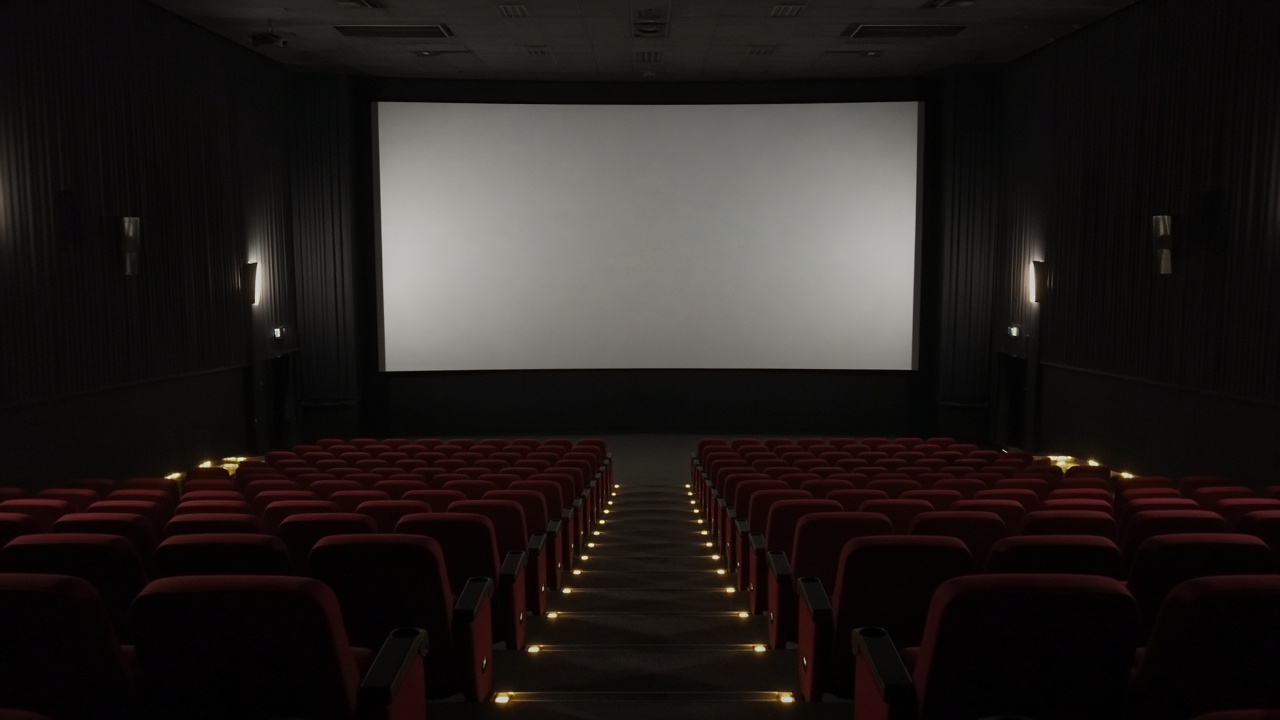
Shochiku Co. rebooted a monthly late-night anime film program at Shinjuku Wald 9 cinemas beginning in November, mixing catalog revivals with limited subtitled premieres for weekday audiences priced out of opening-weekend IMAX queues. Ren Takahashi’s entertainment desk sees the slot as theatrical counterprogramming—streaming owns daily viewing, but Tokyo’s cinephile belt still pays for communal screens when studios offer event-grade prints.
Programming shape
Initial listings rotate 1980s and 1990s cel-animation favorites on restored prints alongside one newer title held over from festival circuits. Late showtimes start after 10 p.m. to capture office workers and students; ticket prices sit below premium format screenings at multiplex rivals in Kabukicho.
Shochiku will gauge turnout for three months before expanding to Yokohama or Osaka houses—Wald 9 acts as a lab, not a guaranteed national tour.
Why Wald 9
The Shinjuku location anchors west-exit foot traffic near game centers and bookstores—natural anime funnel. Wald houses have maintained 35mm-capable projectors for revival events; staff expertise matters when handling fragile prints insurers scrutinize.
Post-pandemic, single-screen independents struggled while multiplexes consolidated; Shochiku’s revival signals confidence in niche audiences willing to travel for curated lineups.
Streaming competition
Netflix Japan and Amazon Prime Video license many classics; theatrical runs sell scarcity and lobby merch tables. Takahashi expects cosplay clusters on opening nights of fan-favorite titles even when home streams exist.
Studios use theatrical windows to test remaster demand before Blu-ray box sets ship—event screenings function as marketing, not primary revenue.
Industry economics
Toho Co. and Aniplex dominate blockbuster anime films; Shochiku’s niche fills calendar gaps between tentpole releases. Advertising spends stay modest, relying on social clips and partnership with specialty magazines.
Foreign tourists discover late shows through subtitle listings—weak yen boosts walk-up sales if marketing reaches inbound travel feeds.
Risks
Low turnout cancels months; weather and rail delays on rainy Mondays hit Shinjuku attendance. Piracy fears are lower for revivals already streaming—risk concentrates on premiere titles leaking cam rips.
Fire-code capacity limits late exits; station crowds after midnight screenings require coordination with ward police on busy weekends.
Merch and community
Lobby tables will sell mini posters and post-cards tied to each screening; fan clubs coordinate cosplay meetups on social channels independent of Shochiku marketing. Theater staff trained on camera policies balance fan enthusiasm with rights-holder requests to limit recording.
Bottom line
Shochiku’s Wald 9 anime revival is a small bet on communal nostalgia—cheap seats, late hours, and prints worth leaving the apartment for. If November sells out, expect copycat slots; if not, streaming wins another round quietly.