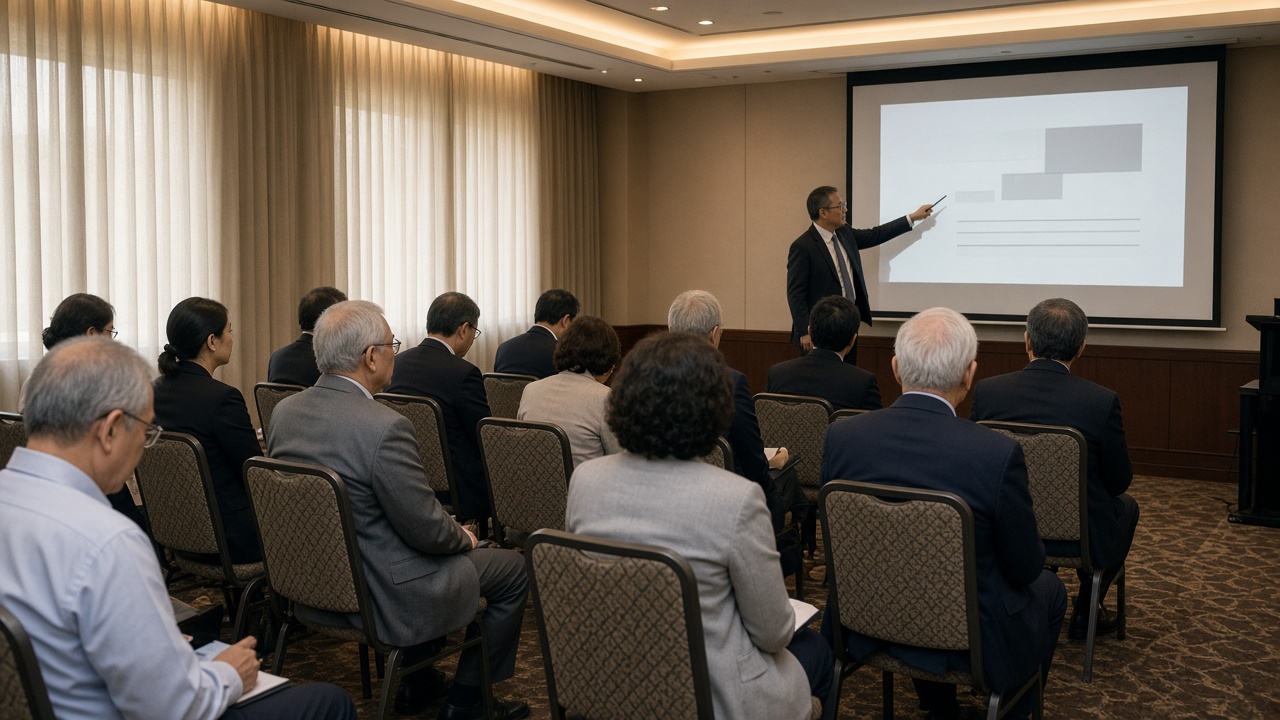
Singapore will raise its statutory retirement age to 65 and its re-employment age to 70 from 2029, one year earlier than previously planned, after tripartite partners accepted recommendations released on Monday. The Ministry of Manpower, the National Trades Union Congress, and the Singapore National Employers Federation said the shift gives seniors who want to keep working a clearer legal floor against age-based dismissal while employers prepare for a larger pool of older staff in a tight labor market.
What changes on the calendar
Under the accepted timeline reported by CNA, the retirement age moves from 64 today to 65 and the re-employment age from 69 to 70 on Jan. 1, 2029. Employers cannot dismiss workers on age grounds before 65 and must offer eligible employees re-employment until 70, subject to existing suitability tests. Minister of State for Manpower Dinesh Vasu Dash unveiled the package at an NTUC Employment and Employability Institute event, framing it as a signal that “seniors who wish to continue working longer would have the opportunity to do so.”
The government had previously targeted 2030 for the same thresholds; pulling the date forward compresses HR planning for firms that had budgeted another 12 months of transition. Implementation details are due in the first half of 2027, giving Parliament time to amend the Retirement and Re-employment Act and for payroll systems to catch up.
Flexi-Load and wage support
Alongside the age shift, the Tripartite Workgroup on Senior Employment proposed a Flexi-Load Programme to replace the Part-time Re-employment Grant after 2027. The new scheme covers workers aged 50 and above—broader than the old grant’s 60-year floor—and pays employers to create fractional or part-time roles with documented outcomes rather than policy paperwork alone. CNA reported that the prior grant supported about 68,500 seniors and 7,800 employers since 2020 with S$2,500 per eligible part-time re-employment, capped at S$125,000 per company.
Other accepted measures include extended wage support for employers who re-hire seniors, higher subsidies for lower-wage older workers, and additional financial assistance for those not re-employed. Tripartite leaders did not attach dollar figures to every line item in Monday’s release, but the direction is clear: Singapore is buying labor participation with fiscal carrots because demographics leave few alternatives.
Why employers are watching
Singapore’s resident workforce is aging faster than inbound immigration can offset in skilled sectors. Raising re-employment to 70 pushes more planning onto sectoral unions and SMEs that already struggle with digital upskilling. The Flexi-Load concept acknowledges that not every 68-year-old wants a five-day desk job; fractional roles may ease warehouse, healthcare, and retail staffing if firms can prove new headcount rather than relabeling existing part-timers.
Monday’s announcement landed on the opening day of Singapore International Energy Week, where separate ministries rolled out power-grid and nuclear-skills plans—a reminder that “older worker policy” and “industrial manpower policy” now move on the same news cycle. For households, the practical question is simpler: if you turn 64 in 2028, your employer’s obligation to discuss re-employment just moved closer on the calendar, and the tripartite partners expect you to notice.