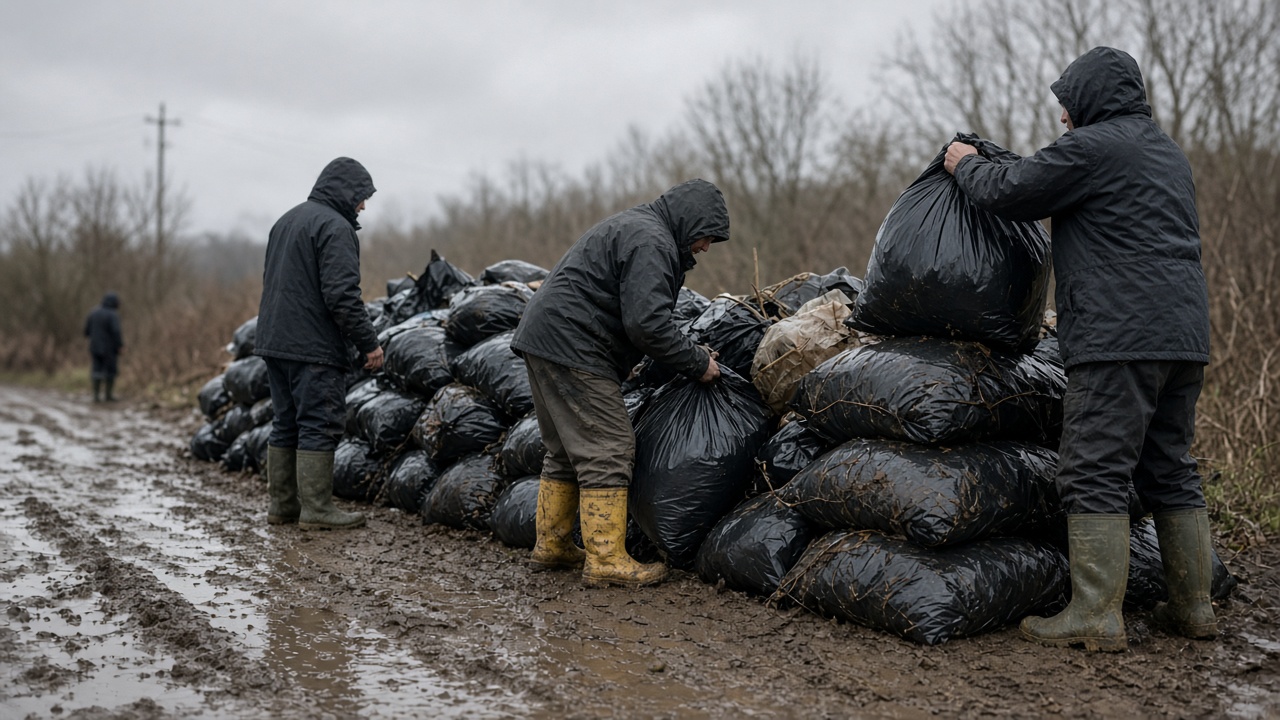
Taiwan’s Centers for Disease Control renewed warnings for eastern county health teams to watch mud-borne infections as Champi cleanup accelerated, telling clinics to stock antibiotics and tetanus shots for volunteers who wade through debris without proper boots.
Why mud matters after typhoons
Soil bacteria such as Burkholderia pseudomallei—the cause of melioidosis—thrive in flooded fields. The CDC’s weekend advisory did not report a spike in confirmed cases but said hospitals in Yilan, Hualien and Taitung should flag fever patterns in patients who describe backyard cleanup work. Physicians were asked to pair wound cultures with travel histories inside storm-affected townships.
Public health nurses distributed checklists to township offices: wear rubber boots, wash breaks every hour, and seek care immediately if cuts contact river mud. The message builds on guidance issued before Champi landed, updated now that power restoration lets more residents return to flooded first floors.
Hospital capacity
Some eastern facilities still run on generator power for non-critical wings, complicating sterile procedures. The CDC said mobile public-health teams can administer tetanus boosters at community centers if patients cannot reach main hospitals while landslide repairs continue on coastal roads.
Coordination with agriculture crews
Farmers clearing orchards face the same risks as urban volunteers. The agriculture ministry’s rapid-response teams were told to pack foot coverings and hand sanitizer alongside chainsaws. Insurers covering farm workers said occupational policies will honor claims for storm cleanup injuries only if safety gear was documented—a nudge toward compliance.
Practical advice
Residents should assume any standing puddle near agricultural land is contaminated, keep children away from debris piles, and call the 1925 disease hotline if fever follows a cut. With melioidosis incubation lasting weeks, the CDC said it will publish weekly case counts through November even as typhoon headlines fade.
Looking ahead
Officials said they would publish updated guidance before the work week resumes, and urged residents to keep checking government portals rather than forwarded messages. For Taiwan’s east coast, the recovery rhythm is still measured in ferry timetables, clinic hours and baseball innings—not a single headline.