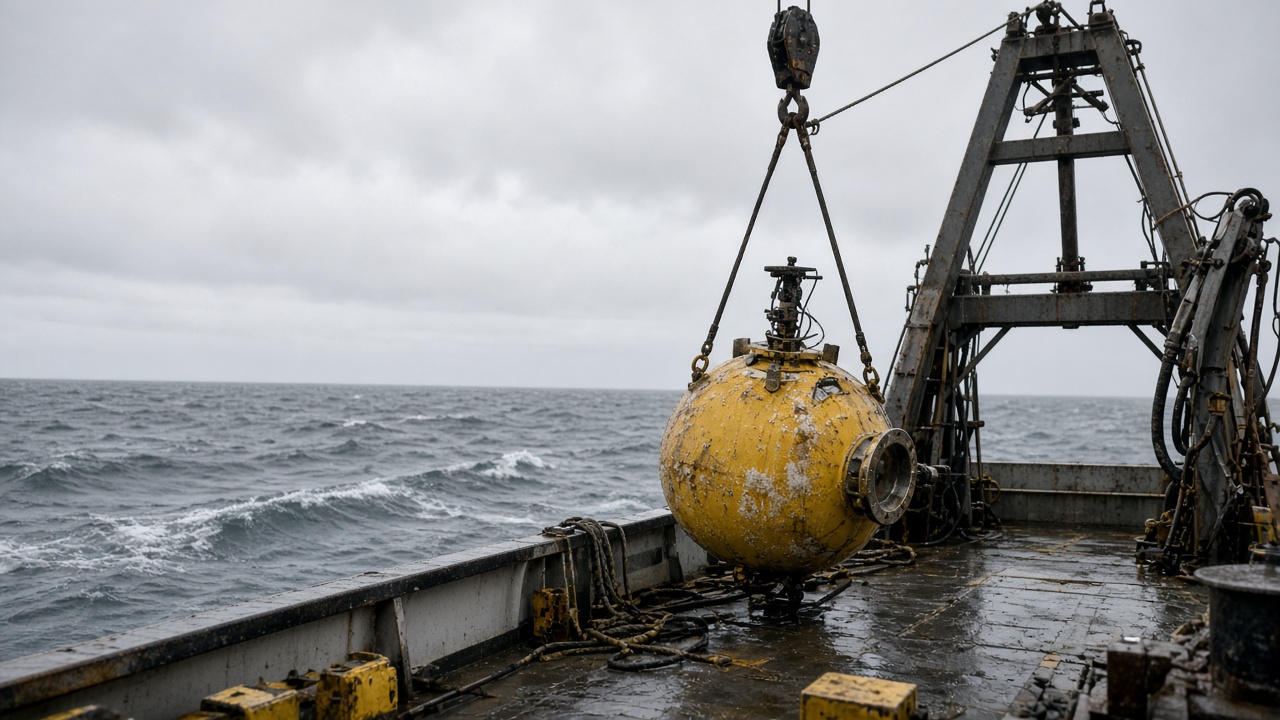
Academia Sinica oceanographers said unusually warm western Pacific water temperatures observed ahead of Typhoon Champi line up with the storm’s rapid intensification before it struck Taiwan’s east coast, according to a briefing note researchers published Sunday as cleanup crews tallied more than 9,000 damage reports nationwide.
What the buoys showed
The institute’s Kuroshio monitoring array recorded sea-surface temperatures several tenths of a degree above the 1991–2020 average in the days before Champi organized. Warm pools add latent heat that typhoons convert into stronger winds and heavier rain bands—exactly the pattern Taiwan saw when gusts reached destructive force in Yilan and Hualien even as some western counties saw lighter totals.
Scientists cautioned that any single storm cannot be blamed entirely on climate trends, but they said Champi’s behavior matched simulations run for El Niño years, when the subtropical high tends to steer late-season systems closer to the island.
Linking ocean heat to forecasts
The Central Weather Administration’s own post-storm summary noted that warm ocean conditions contributed to Champi maintaining super-typhoon strength longer than some numerical models initially suggested. Academia Sinica proposed sharing buoy anomalies with CWA forecasters in real time next season, giving emergency managers an extra signal when deciding whether to pre-position heavy pumps in eastern cities.
Implications for infrastructure planners
Port engineers studying the Fugang crane collapse and landslides on Highway 9 are asking separate questions about waves, but the oceanographers’ message is about frequency: warmer baseline seas mean more storms may approach Taiwan at peak intensity. That has knock-on effects for agriculture insurers, offshore wind developers and anyone sizing breakwaters on the east coast.
What comes next
The research team will submit a full paper after calibrating buoy data against satellite altimetry. For now, the public-facing takeaway is simpler: Champi was not a random October squall—it rode an ocean heat signal Taiwan has been measuring more closely as El Niño conditions persist. Disaster budgets that still assume twentieth-century typhoon distributions may need another look.
Looking ahead
Officials said they would publish updated guidance before the work week resumes, and urged residents to keep checking government portals rather than forwarded messages. For Taiwan’s east coast, the recovery rhythm is still measured in ferry timetables, clinic hours and baseball innings—not a single headline.