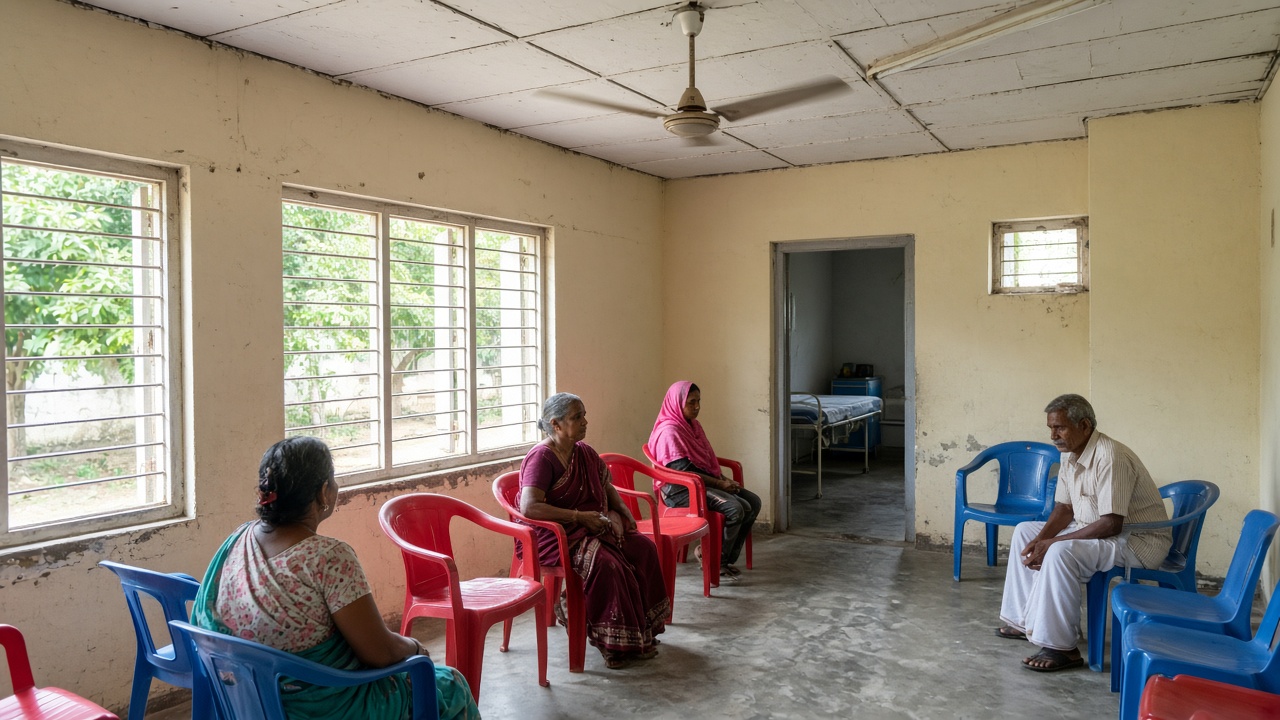
Tamil Nadu's health department deployed portable cool rooms at 18 primary health centres serving Nilgiri tea estates after more than 120 pickers sought treatment for heat exhaustion during an unseasonal hot spell that pushed afternoon humidex values above 38 degrees Celsius.
Estate managers bus workers down from slopes near Coonoor and Kotagiri when thermometers spike, but PHC doctors said arrival times stretched past the golden hour for aggressive cooling. The new units—essentially insulated shipping containers fitted with misting fans and IV stands—sit in clinic parking lots with diesel generators on standby.
Who is affected
Most patients are women on piece-rate plucking shifts. They arrive dizzy, cramping, or vomiting after hours on sun-facing rows. Dr. K. Meenakshi, who oversees the Coonoor block, said cases doubled compared with last October, a month that usually brings rain rather than dry heat.
IMD attributed the anomaly to a stalled ridge over the Deccan that blocked sea breezes. Climate researchers caution against blaming a single week on long-term warming, but public-health planners note that Nilgiri estates already sit at the edge of comfortable manual labor thresholds.
Clinic response
Cool rooms lower core temperature faster than fans alone. Nurses monitor electrolytes and transfer severe cases to Coimbatore Medical College, a two-hour drive on ghat roads. Asha workers now distribute oral rehydration sachets at 4 a.m. roll calls, before the sun crests the ridges.
Estate owners pledged shaded rest sheds, yet inspectors found several still missing mandatory water stations last week. The health department fined three plantations ₹50,000 each and ordered compliance by November 1.
Policy outlook
State officials are mapping which PHCs lack reliable grid power to prioritize solar-backed cool rooms next summer. For now, the focus is immediate relief: keep pickers alive during a heatwave that arrived weeks before the usual northeast monsoon break.
Labour unions asked for mandatory afternoon work stoppages when wet-bulb readings cross thresholds, a demand estate owners resist during peak flush seasons. The health department said it will mediate shift changes before imposing statutory caps.
Nilgiri tourists rarely see the clinic rush because estates sit above the toy-train towns, but delayed plucking raises auction prices for dust-grade leaf used in blended tea bags sold nationwide.