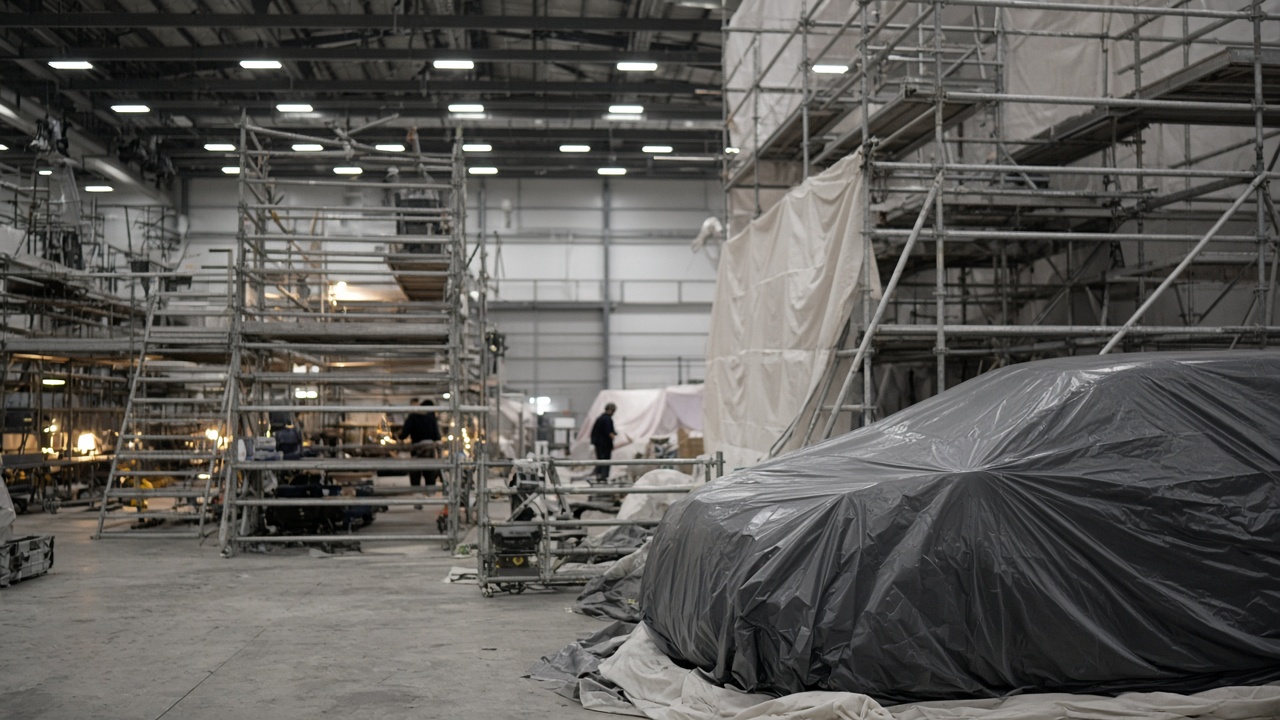
Toyota Motor Corp. and its group brands locked a compressed press briefing calendar as Tokyo Big Sight crews mounted 2026 Japan Mobility Show pavilions in Ariake, previewing concept vehicles, software-defined cockpit demos, and tier-one supplier co-exhibits before ticketed public days. Haruto Suzuki’s technology desk treats the run-up as the auto industry’s staged reopening of the capital’s mobility narrative—less about a single unveil than about proving cross-brand coordination after years when overseas motor shows stole headlines.
Press week layout
Organizers published staggered briefing slots across East and West halls, with Toyota Group occupying the traditional opening window followed by import brands and parts suppliers. Crews worked overnight to veil concept cars under black drapes; safety inspectors checked crowd-flow barriers ahead of fire-code walkthroughs.
The 2026 show continues the “explore the future of mobility” theme, blending passenger cars, commercial trucks, motorcycles, and startup pods in shared halls rather than siloed OEM-only zones.
What Toyota is signaling
Group executives hinted at battery-electric and hybrid roadmap updates tied to domestic production lines, without confirming model names ahead of embargoed slides. Software partnerships—mapping, voice assistants, and over-the-air update platforms—feature prominently on booth renderings leaked to trade press.
Supplier co-exhibits highlight solid-state battery research consortia and in-cabin sensing modules, reflecting METI’s push to keep advanced auto tech anchored in Japan even as final assembly globalizes.
Public days and ticketing
Online-only ticket sales continue; organizers warned surrounding roads will clog during opening weekend. Early-entry passes sold out in prior editions; 2026 inventory monitoring will test whether expanded hall capacity eases queue times.
Family programs and heritage vehicle displays return to broaden appeal beyond enthusiast photographers; mobility culture pavilions host restored classics beside autonomous shuttle mock-ups.
Competitive context
Honda Motor Co., Nissan Motor Co., and Mazda Motor Corp. schedule their own briefings adjacent to Toyota’s block—journalists shuttle between halls on tight timers. Chinese EV entrants and European luxury brands use the show to court Japanese fleet buyers evaluating charging infrastructure gaps.
Startup alley features pitch contests; winners from prior shows return with production milestones, giving venture investors a curated scouting floor.
Policy and energy angles
Show messaging aligns with government decarbonization roadmaps and hydrogen pilot projects, even as consumers still favor hybrids in congestion-heavy commutes. Booth narratives must balance export ambitions with domestic charging and grid constraints Tokyo faces.
Earthquake and disaster-preparedness demos appear in commercial vehicle halls—reminders that mobility tech includes rescue logistics, not only passenger comfort.
What would disappoint attendees
Concept-only reveals without production timelines frustrate buyers; falsifiers include supply-chain walkbacks on promised battery plants. If overseas executives cancel amid diplomatic scheduling conflicts, media oxygen shifts to domestic policy stories instead of product launches.
Weather-related transport snarls on the Yurikamome line could dampen opening-day foot traffic—organizers added shuttle guidance in pre-show emails.
Bottom line
Toyota Group’s Mobility Show press blitz frames 2026 as a collaboration expo—OEMs, suppliers, and startups sharing Ariake floors. The proof arrives when embargoed sheet metal rolls off drapes and pricing reaches Japanese dealers, not when scaffolding comes down.