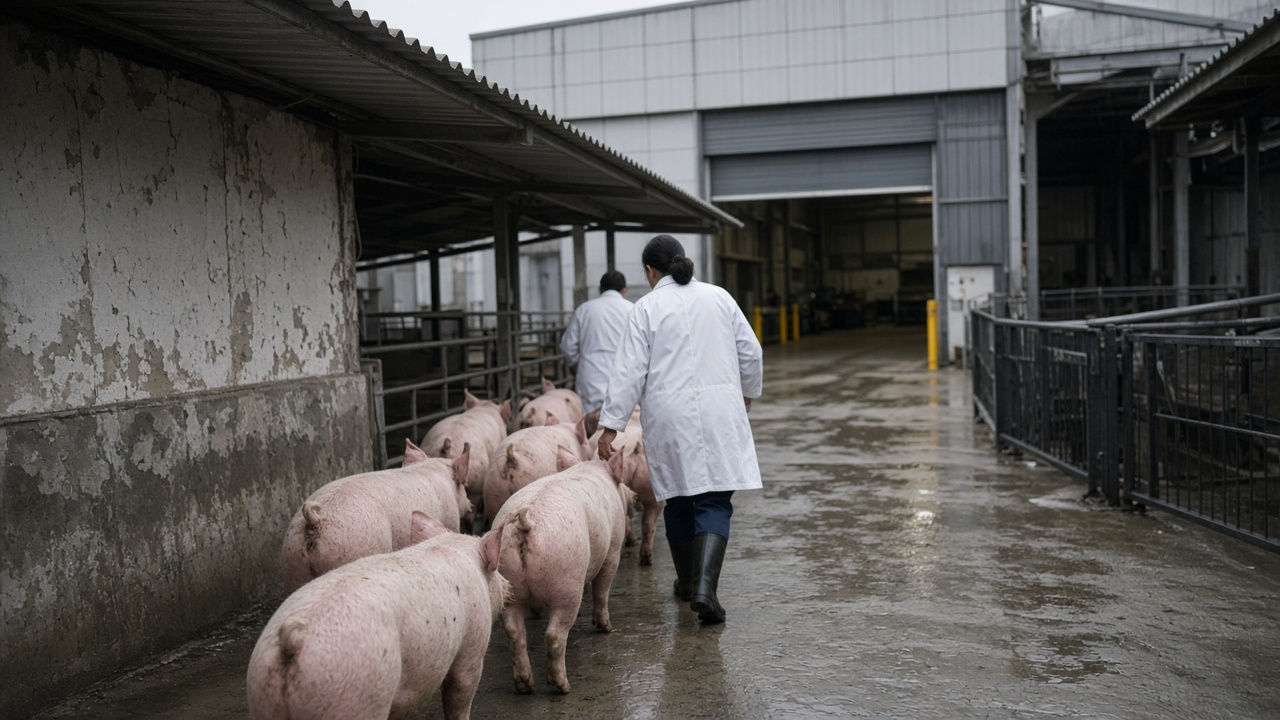
The British government opened consultation on Monday on phasing out high-concentration carbon dioxide stunning for pigs, a method used across most English slaughterhouses that ministers and welfare advisers now describe as ethically untenable when alternatives exist. The Department for Environment, Food and Rural Affairs said the move would shift the pork sector toward argon gas or automated electrical stunning while giving processors time to retool plants.
What is changing
DEFRA's proposals, published 26 October 2026, follow years of Animal Welfare Committee reviews concluding that pigs experience panic and respiratory distress in CO₂ systems before losing consciousness. Farming Minister Stephen Morgan said the public expects meat sold in British shops to meet high welfare standards from farm through slaughter, and that the consultation is meant to deliver that without ignoring industry costs.
Chair Madeline Campbell said the committee's view was clear: continuing CO₂ stunning where legally permitted alternatives are available is ethically unacceptable. The consultation will gather evidence on welfare gains, capital costs, feasible timelines and consumer impacts through 21 December 2026.
Why processors are watching gas supplies
Officials framed the shift as partly strategic. Britain's pig sector relies on industrial carbon dioxide not only for stunning but for packaging and refrigeration; shortages linked to Middle East conflict earlier in 2026 underscored how slaughter lines can stall when gas markets tighten. Moving toward electrical or argon-based systems, DEFRA argued, could reduce dependence on CO₂ volumes that compete with food-grade supply chains.
Government officials said they have worked since April 2024 with processors, equipment makers, gas suppliers and welfare groups on transition planning. No final ban date is set; responses during consultation will shape any statutory timetable.
What farmers and campaigners say
Environmental and animal groups welcomed the consultation as long overdue, while the National Pig Association has previously warned that retrofitting plants carries multimillion-pound costs that must be shared across the supply chain. Supermarkets, which audit slaughter methods for their own-label pork, are likely to press for clear deadlines once DEFRA translates consultation results into regulation.
For abattoir workers, any phase-out will mean retraining on new stunning equipment and possible temporary line slowdowns during installation. For shoppers, ministers insisted the goal is to avoid price spikes by staggering compliance, but analysts note that welfare upgrades historically flow through to shelf prices unless retailers absorb them.
Next steps
Stakeholders can submit evidence through the DEFRA portal until December. Parliament will not vote on a ban until ministers publish a response and, if they proceed, draft secondary legislation. Until then, CO₂ stunning remains legal, but Monday's launch signals that the default method for stunning pigs in England is now on a countdown measured in consultation papers rather than years of voluntary industry debate.