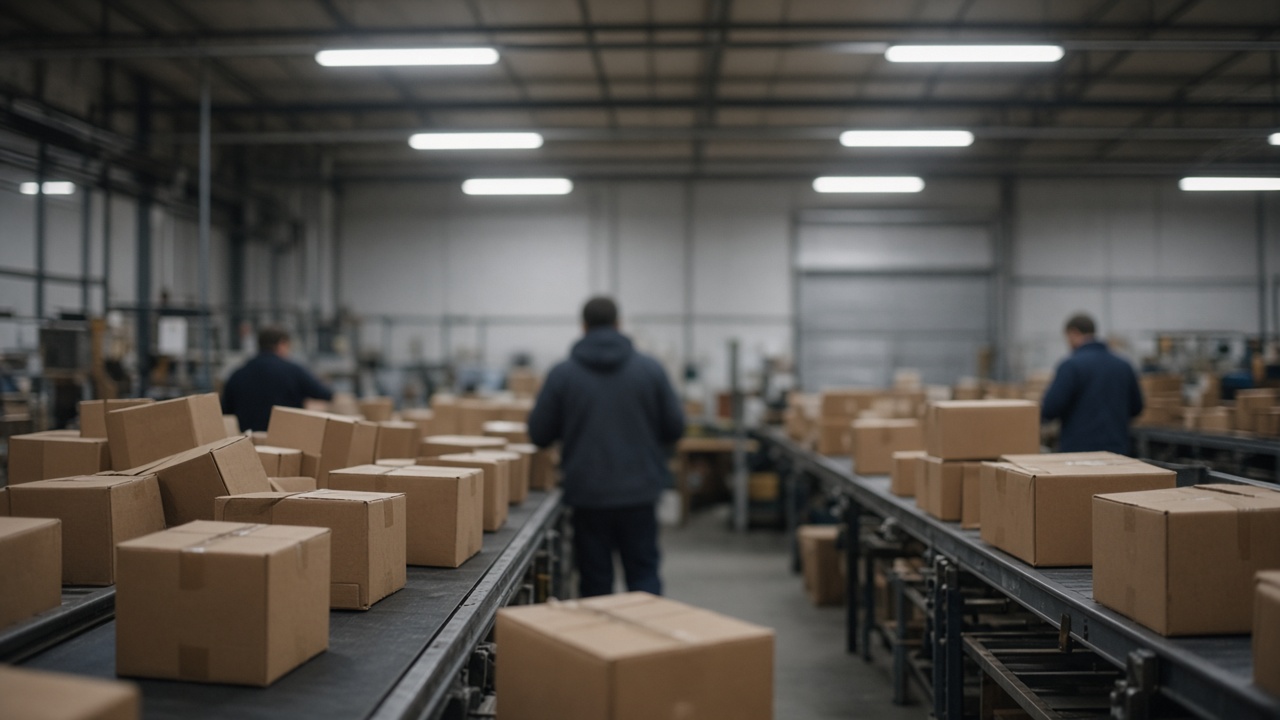
Yamato Holdings Co. opened a temporary sorting depot near Hakata Station after parcel backlogs topped 120,000 pieces when Champi-related rain slowed JR Freight transfers on the Sanyo main line, leaving Kyushu-origin packages stranded between Fukuoka yards and Osaka trunk hubs. Kenji Watanabe’s business desk treats the overflow site as a capacity valve—not a permanent network upgrade—meant to clear weekend volume before Monday factory restarts add fresh automotive and electronics consignments.
What triggered the backlog
Heavy rain across northern Kyushu forced speed restrictions and intermittent suspensions on freight paths feeding the Sanyo corridor, according to operator notices reviewed for this article. Yamato’s integrator network relies on overnight rail blocks to move palletized parcels from Hakata and Kokura gateways to Kansai sort centers; when those blocks slip, last-mile depots still accept drop-offs but cannot dispatch eastbound trailers at planned cadence.
Consumer e-commerce volumes remained elevated after a long October weekend, compounding the pinch. Yamato disclosed the Hakata overflow depot in a service alert, saying additional staff and shuttle trucks would reroute pieces around the worst rail segments until trunk schedules stabilize.
Overflow depot mechanics
The temporary facility adds floor space for secondary sorting and staging—not full line-haul replacement. Packages marked for Kansai and Kanto receive relabel scans inside the overflow bay, then load onto highway trailers that bypass suspended rail segments where road conditions allow. Yamato did not publish a reopening date for the depot, framing it as weather-dependent.
Corporate customers with contractual pickup windows received proactive delay notices through Yamato’s shipper portal; residential recipients may see tracking statuses stall at “in transit to hub” longer than usual during the backlog burn-down.
Auto supply chain read-through
Kyushu hosts semiconductor packaging sites, auto parts plants, and appliance factories that ship just-in-time to western Honshu assembly lines. Parcel integrators carry spares and tooling more often than bulk steel; still, a multi-day backlog signals rail fragility that tier-one planners watch when typhoon seasons overlap peak production.
Yamato competes with Sagawa Express Co. and Japan Post Group on enterprise contracts; both rivals issued rain-related delay advisories without disclosing piece counts. Shippers comparing SLAs should read force-majeure clauses tied to meteorological warnings rather than headline backlog figures alone.
Cost and margin implications
Overflow depots raise variable labor and highway fuel costs that Yamato may not fully pass through on fixed-price enterprise deals. Investors typically treat weather events as one-offs unless repeated quarters show under-investment in redundant trunk capacity. Yamato’s stock narrative remains tied to labor reforms and automation capex more than any single storm week.
Meteorological agencies warned that northern Kyushu could see continued heavy rain as Champi’s remnants interact with a stalled front; Yamato’s contingency plan includes second shifts at Hakata if rail operators extend speed caps through midweek.
Household expectations
Residential shoppers awaiting replacements or gifts should pad delivery estimates by one to two days for Kyushu-origin shipments routed through Kansai. Pickup lockers in Fukuoka city remain operational, but eastbound departures from those lockers queue behind hub clearance.
Small merchants using cash-on-delivery services should confirm whether delay penalties apply; integrator terms often waive fees when official weather warnings cover origin or transit prefectures.
What would falsify the recovery story
A rapid rail normalization would clear backlogs within 48 hours without sustained margin hits; falsifiers include extended landslide repairs on hillside sections or a second storm track reclosing lines. If highway diversions clog during commuter peaks, trailer schedules slip even when rail returns.
Competitors capturing share through guaranteed delivery refunds would pressure Yamato marketing—not captured in a single backlog number but visible in next quarter’s enterprise renewal commentary.
Bottom line
Yamato’s Hakata overflow depot is a storm-week pressure release for 120,000 stranded parcels, not proof of network failure. Until Sanyo freight blocks normalize, Kyushu shippers should plan for slower eastbound flows and communicate delays downstream.