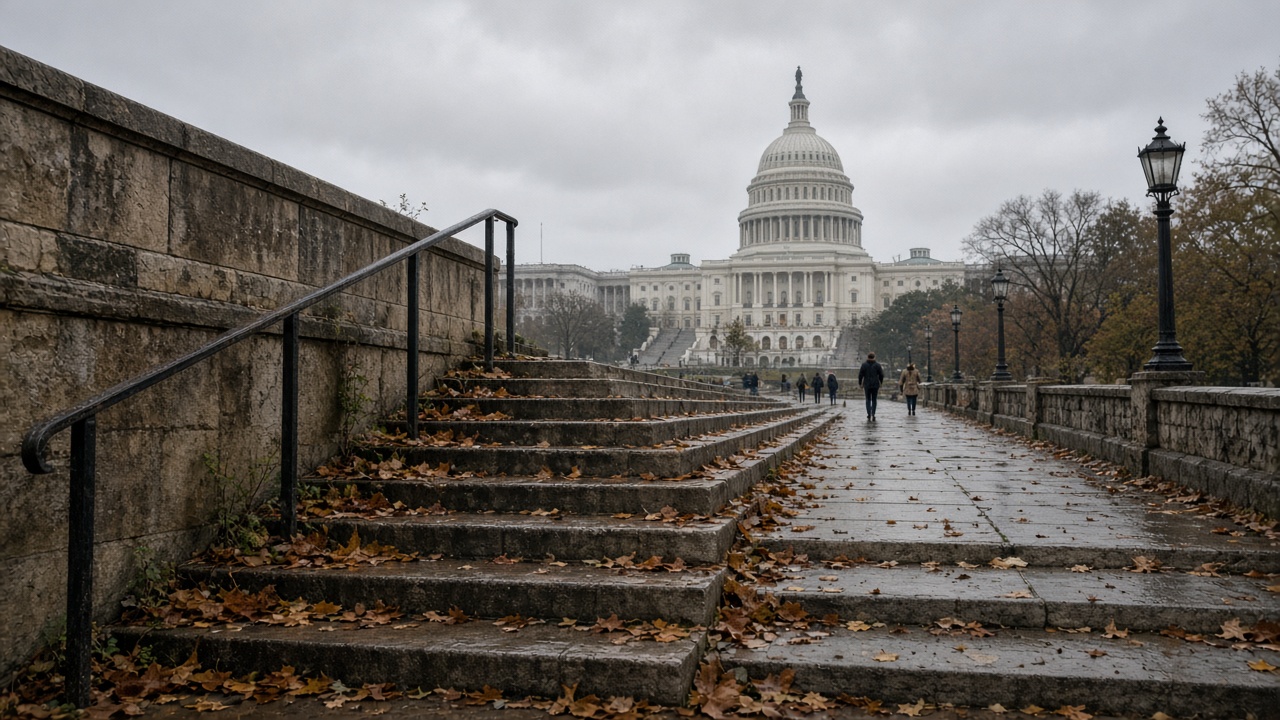
Democrats enter the final week before the Nov. 3 midterm elections with polling advantages in the fight for the U.S. House, but the same survey shows why a sweeping “wave” is not guaranteed: voters are fixated on grocery and fuel bills that neither party fully controls.
What the NPR/PBS News/Marist poll found
The poll of 1,289 registered voters, released Tuesday morning, continues to show Democrats as favorites to capture the House majority Republicans have held on a razor-thin margin. Cost of living ranked at the top of issue priorities, with about a third of respondents reporting financial hardship in the past year and four in ten saying personal finances worsened.
Immigration dominated among self-described MAGA supporters, while Democrats and independents also listed preserving democracy as a motivator. The cross-pressure explains why both parties are closing with different TV ads in the same suburban districts.
Senate math is tighter for Democrats
ABC News tallied the Senate battlefield this week: Republicans hold 53 seats to 47 for the Democratic caucus, and Majority Leader John Thune can lose three GOP seats and still keep control because Vice President JD Vance breaks ties. Democrats need a net pickup of four to flip the chamber.
Thirty-five Senate seats are on the ballot, including 22 held by Republicans in states ranging from deep red to presidential battlegrounds. Early voting is already underway in much of the country, so last-minute scandals have less room to move late deciders than in prior cycles.
Wallet issues on the ballot without a price dial
Congress set much of the 2026 fiscal agenda in the first two years of unified Republican control, including the tax package marketed as the Working Families Tax Cuts Act. Yet shoppers still see elevated food and energy costs, the complaint poll respondent Shun Maurice voiced from Arizona: prices feel expensive “no matter who you voted for.”
That frustration limits how much credit or blame either party can claim in the closing arguments. It also raises stakes for state races that control utility commissions, insurance regulators and housing zoning—offices that touch monthly bills more directly than Capitol procedure fights.
What changes if the House flips
Brookings analysts note that even a Democratic House under a Republican president mainly shifts oversight and subpoena power rather than rewriting the executive branch’s trade and immigration agenda. Tax and spending fights would still require Senate buy-in or face veto threats.
For households, the practical calendar items are debt-ceiling deadlines, appropriations lapses and ACA subsidy rules that ride on committee gavels. A split Congress increases the odds of short-term continuing resolutions that delay but do not erase program funding cliffs.
How to use the next seven days
Verify your registration and ballot drop-off rules on your state election site—not through social media graphics. If you mail a ballot, check postmark and receipt deadlines; many states no longer honor postmarks alone.
Read your sample ballot down-ballot. Midterms decide attorneys general who sue over consumer fees, secretaries of state who administer recounts, and governors who veto gerrymandered maps. National polls do not list those names.
Markets are watching, too
Investors have largely priced a divided-government outcome as a gridlock scenario with limited legislative upside or downside, according to pre-election notes from major banks. That does not protect portfolios from executive action on tariffs or antitrust, but it does mean Election Night surprises may move bond yields more than individual tax brackets.
One week out, the actionable story for readers is procedural: majorities are in play, wallets are angry, and the poll lead is real but not a guarantee once low-propensity voters either stay home or flood the polls on Nov. 3.