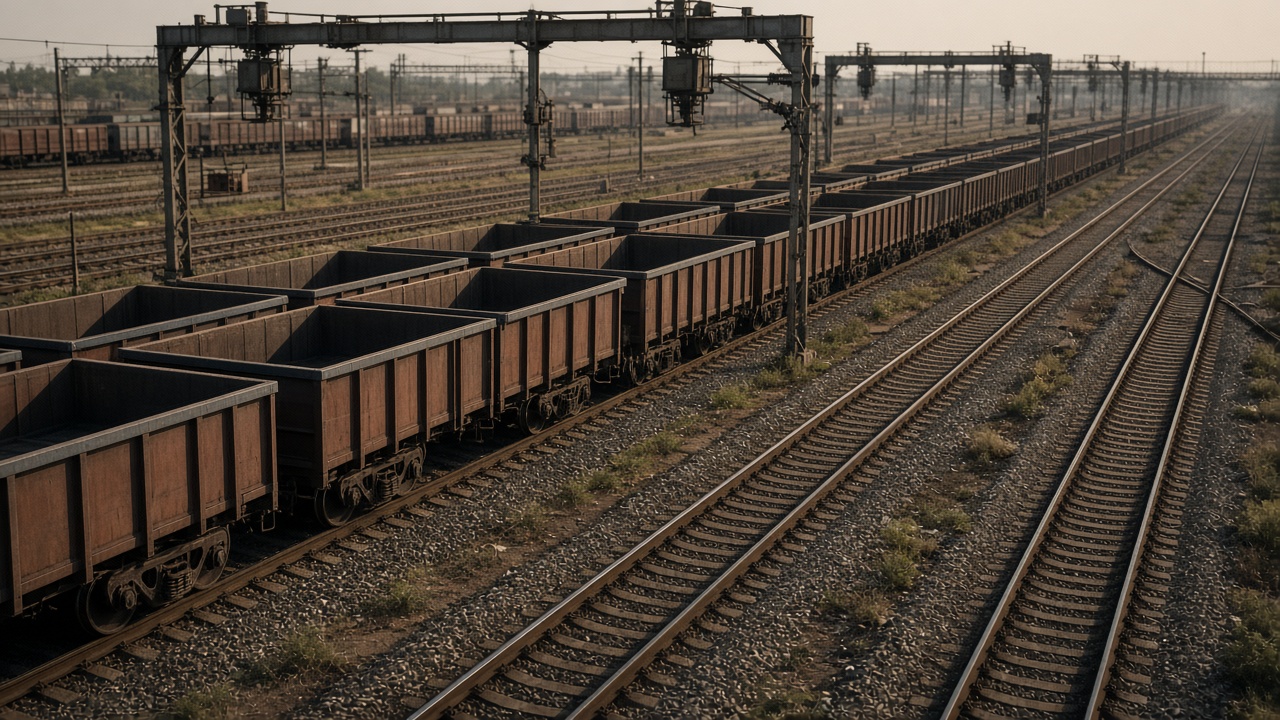
Aurizon began testing a computer-vision brake inspection system at its Rockhampton freight yard on Tuesday, using roof-mounted cameras and on-device models to flag worn brake shoes before coal and container wagons join mainline consists.
The trial runs on the busiest departure road for central Queensland coal traffic, where manual walk-around inspections can take 18 minutes per train during heatwave shifts. Aurizon chief operating officer Stephen Walter said the system is trained on more than 400,000 archived images of brake hardware, labelled by veteran inspectors over the past two years.
How the model is deployed
As each wagon rolls under a gantry at walking speed, edge servers score brake shoe thickness and hose alignment, pushing alerts to tablets carried by certifiers. Walter said the model runs entirely on yard servers — not cloud APIs — because upload links from regional yards remain bandwidth-constrained.
False positives still occur when mud splatter obscures shoes after storms, so human sign-off remains mandatory before departures. The Office of the National Rail Safety Regulator said it would treat the trial as a safety-critical aid, not a replacement for certified mechanical staff.
Safety and labour context
The Rail, Tram and Bus Union said it supported tools that reduce repetitive strain injuries but warned against using vision scores to quietly cut rostered inspectors. Aurizon committed to maintain current headcount through the six-month pilot and publish aggregate false-alarm rates monthly.
Queensland coal producers watching the trial hope faster turnarounds will ease demurrage when port queues stretch, though Walter said any throughput gain would be secondary to catching defects earlier.
Competitive technology race
US Class I railroads have experimented with similar vision systems, but Australian operators face unique dust and heat profiles that can fool generic models. Aurizon partnered with a Brisbane computer-vision startup to retrain networks on iron-ore and coal dust occlusion patterns.
If Rockhampton passes reliability thresholds, the company will install gantries at Gladstone and Mackay next year, potentially covering more than 60 percent of its export coal fleet.
What success looks like
Engineers set a target of catching 95 percent of shoe wear beyond regulatory limits at least one station before departure, with false alarms under 8 percent. Beat those numbers, and Aurizon will argue the safety case to expand; miss them, and the gantries become expensive sun shades.
For the wider AI sector, the pilot is a grounded counterpoint to chatbot hype: a narrow model, trained on local images, bolted to hardware that cannot drop offline when a telco backhaul fails.
Data retention and unions
Images flagged as defective will be stored for seven years under rail safety law, with unions granted observer access during model retraining to ensure biases do not creep in against older wagon classes.