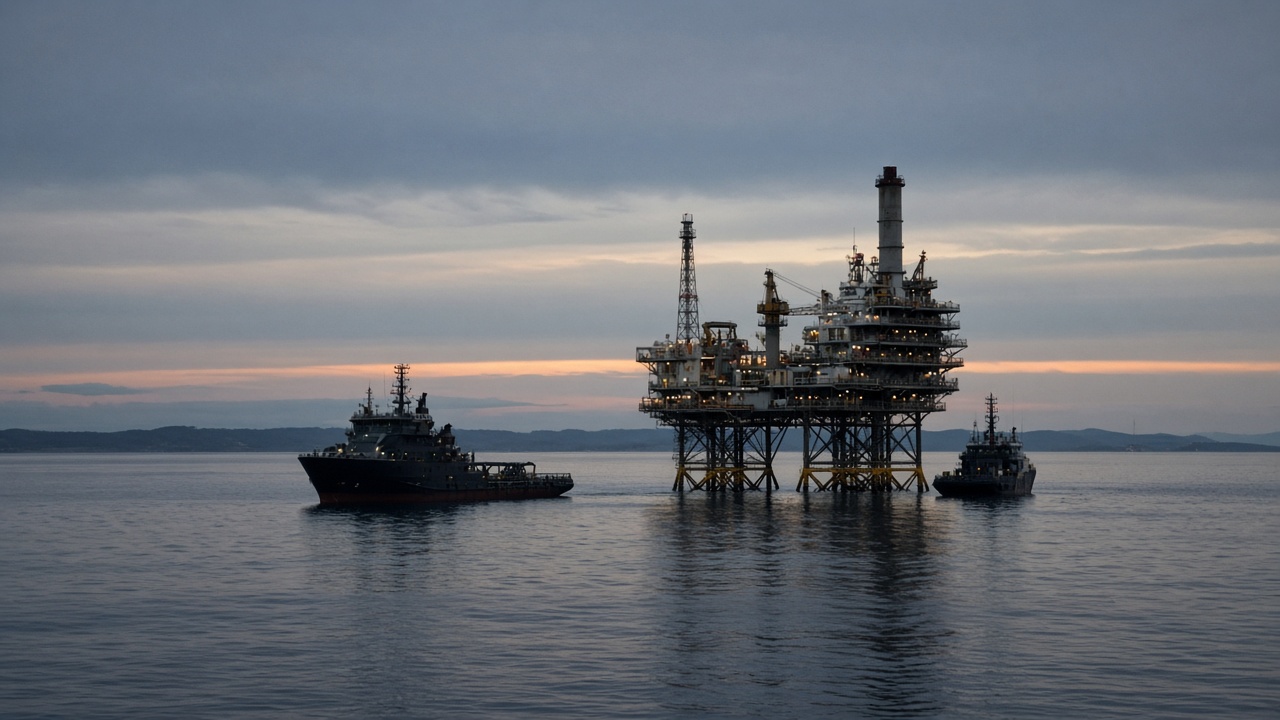
Woodside Energy will leave the Greater Sunrise gas project in the Timor Sea after agreeing to sell its entire joint-venture stake to Timor-Leste’s state-owned TIMOR GAP for up to $200 million, the Perth-based company announced on Tuesday in an ASX filing.
The deal hands Timor-Leste a clearer path toward full control of a resource that has sat undeveloped for decades while Canberra and Dili argued over maritime boundaries, pipeline routes and how revenues would be shared. Woodside said completion is targeted for the first half of 2027, subject to government, regulatory and joint-venture approvals.
What Woodside is selling
Woodside’s 33.44 percent participating interest covers retention leases and production-sharing contracts that unitize the Sunrise and Troubadour fields, located roughly 150 kilometres southeast of Timor-Leste and 450 kilometres northwest of Darwin. TIMOR GAP already holds 56.56 percent of the Sunrise joint venture and in September signed to buy Osaka Gas’s remaining 10 percent stake, which would give the Timorese company sole ownership if both transactions close.
Chief executive Liz Westcott said Greater Sunrise had been an important portfolio asset and still holds high-quality resources, but the sale “further simplifies Woodside’s portfolio” and lets management focus capital on projects with the greatest shareholder return. She credited progress on a new fiscal and legal framework agreed in August between Australia, Timor-Leste and venture partners as the right moment to exit.
How the payments work
Under the agreement, TIMOR GAP will pay $13.71 million on completion, with a further $11.29 million due within 30 days of a final investment decision on an LNG development. The largest tranche—$175 million—would be payable within 365 days of loading the first LNG cargo produced from the Greater Sunrise special regime area for sale.
The upfront sum is subject to post-completion adjustments for cash calls and working capital between an effective date of 1 November 2026 and closing. Woodside said it will work with TIMOR GAP, Osaka Gas and both governments on an orderly transition.
Timor-Leste’s southern-coast plan
TIMOR GAP president Rui Soares said the company is now positioned to accelerate development and advance a “Timor LNG” concept that would pipe gas ashore on the nation’s southern coast at Natarbora, rather than processing it in Australia—a route Woodside once favoured.
Analysts quoted by Nikkei Asia described Woodside’s departure as a setback for Dili’s economic ambitions, noting that state control does not by itself finance the multibillion-dollar build-out of offshore platforms, pipelines and an onshore plant. Still, the transaction removes a partner that had repeatedly clashed with Timorese leaders over where value would be captured.
Market and regional read-through
Woodside shares trade on the ASX alongside global oil and gas majors navigating a crowded LNG market and rising scrutiny of new fossil projects. The Greater Sunrise exit arrives as Woodside’s larger Browse development off Western Australia faces fresh environmental debate, making portfolio discipline a recurring theme in investor briefings.
For Australian foreign policy, the sale reinforces that Timor-Leste intends to develop Sunrise on its own terms after the 2018 maritime-boundary treaty redrew seabed rights. Whether Chinese financiers or contractors step into any future bidding war remains an open question for Canberra security planners watching energy infrastructure across the Arafura and Timor seas.