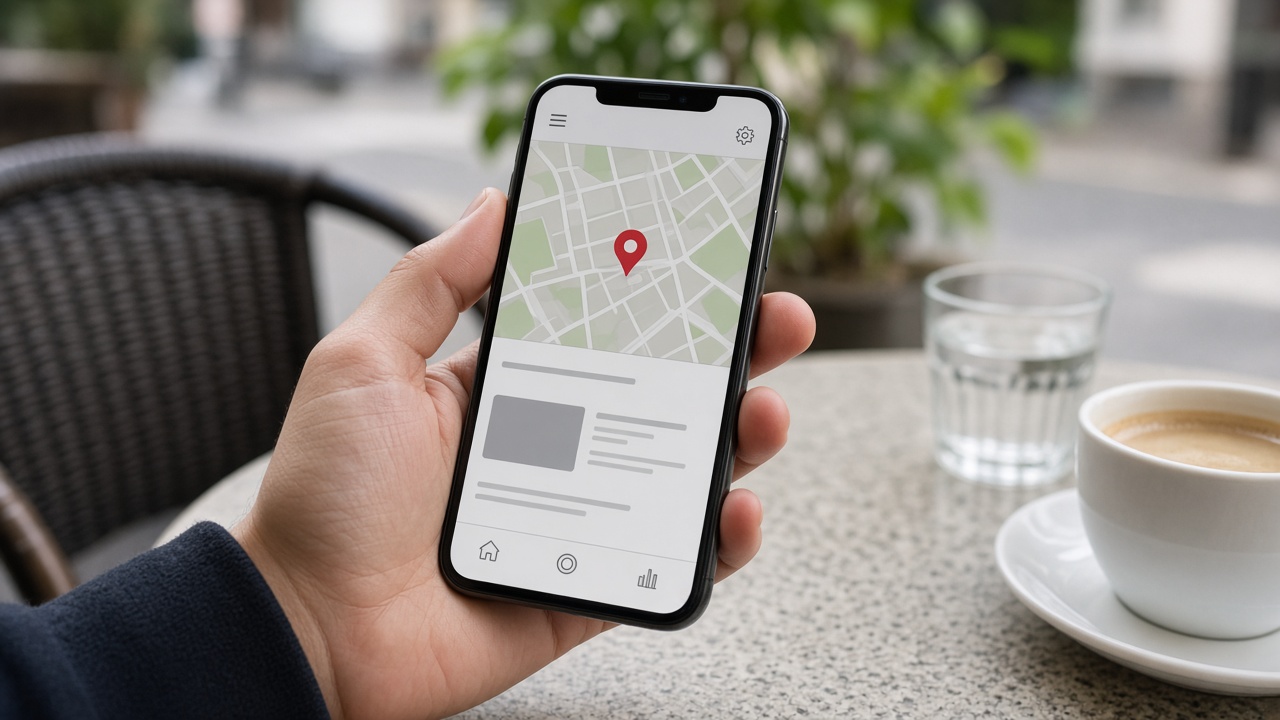
Bankwest will begin locking debit and credit cards inside its mobile app when geolocation signals suggest overseas spending but no travel notice is active, a move the Commonwealth Bank-owned lender said would cut card-not-present fraud without waiting for overnight fraud desks.
Starting 3 November, customers who swipe or tap in a foreign currency while their phone’s last known location — or the merchant’s country code — sits outside Australia will see an in-app prompt to confirm travel or freeze the card instantly. If they ignore the alert for 30 minutes, the card blocks until the customer calls or verifies through the app.
Why geolocation, not just merchant codes
Bankwest chief risk officer Lisa Smith said overseas fraud rings increasingly route small test transactions through payment processors that appear domestic, then run larger purchases once a card is proven live. Pairing merchant country data with phone location, when customers opt in, gives the bank a second signal before a mag-stripe or e-commerce charge clears.
The feature is optional, and Smith stressed that customers who do not grant location permissions will still rely on existing rules, including SMS one-time codes for high-risk merchants.
Consumer groups push back on friction
The Australian Communications Consumer Action Network said automatic lockouts could strand travellers who buy SIM cards only after landing, leaving their Australian number unreachable for SMS verification. Bankwest said airport lounge Wi-Fi logins and in-app push notifications would still work, and that customers could pre-set travel windows up to 12 months ahead.
Comparison site Canstar noted that other majors already offer travel toggles but rarely tie them to live geolocation. If the lockouts work as advertised, rivals may copy the playbook ahead of the summer holiday peak.
Credit versus debit stakes
Debit cardholders face immediate cash-flow pain when blocks misfire, while credit card users can still dispute charges but may miss hotel pre-authorisations. Bankwest said business cards would follow in February after testing on consumer portfolios that skew heavily toward Western Australia fly-in-fly-out workers.
The bank did not publish expected fraud savings, citing competitive sensitivity, but told the Australian Banking Association it had seen a 19 percent rise in attempted overseas card testing in the September quarter.
What customers should do
Travellers should log travel dates before departure and keep push notifications enabled. Customers without smartphones can still phone the fraud hotline, though wait times stretch on Monday mornings after long weekends.
For households juggling Schoolies and end-of-year leave, the practical lesson is simple: a two-minute travel alert in the app is now cheaper than a declined card at a Bangkok checkout.
Privacy settings in the fine print
Bankwest’s updated terms explain that location data used for lockouts is not sold to marketers and is deleted after 90 days unless a dispute is open. Privacy advocates welcomed the retention cap but asked for independent audits, citing prior industry mis-steps with metadata sharing.
Customers can disable geolocation checks while keeping travel notices mandatory, though that reverts risk controls to legacy rules.