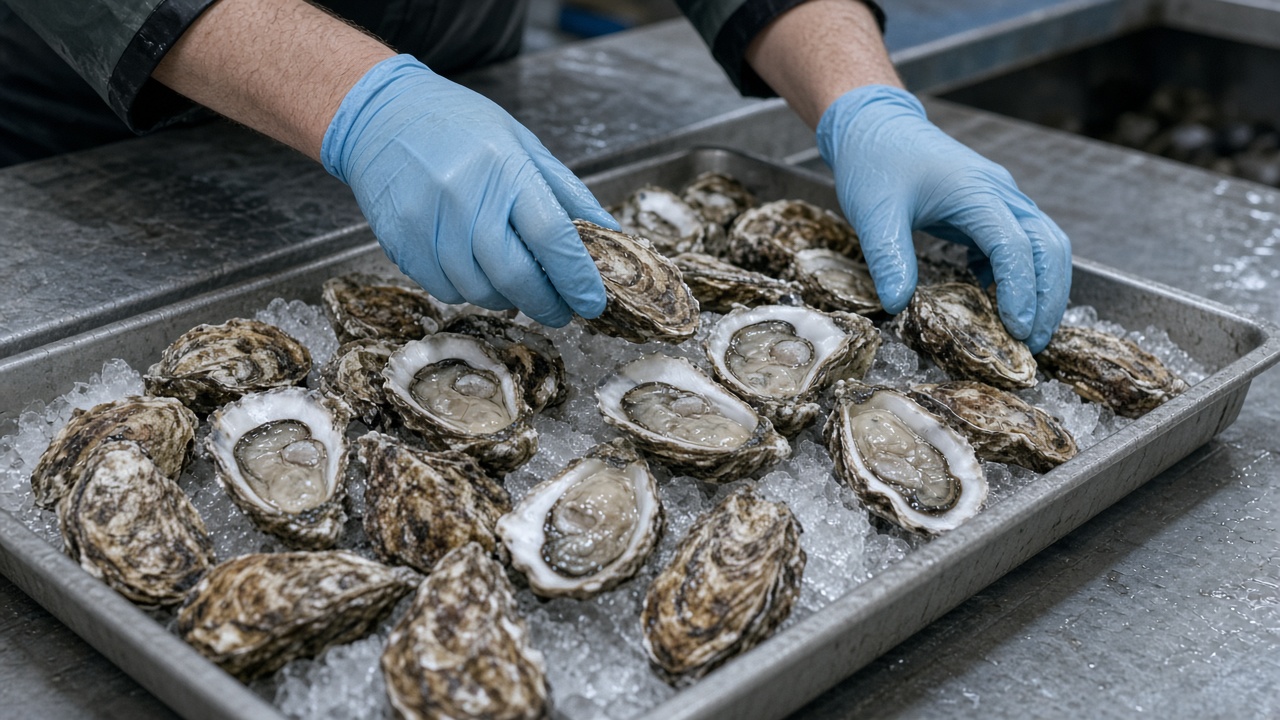
The Food and Drug Administration told retailers and restaurants on Tuesday to pull raw oysters harvested from Virginia’s Little Wicomico River during a three-week window this fall because the shellfish may carry Salmonella bacteria.
Which lots are covered
The safety alert covers whole shellstock oysters from Little Wicomico Oyster Company, permit number VA-1421-SP, harvested from Sept. 18 through Oct. 8, 2026. The FDA said it is coordinating with state shellfish authorities and the company to trace distribution.
Shellstock arrives with tags that list harvest date, location and dealer. Kitchen staff and home cooks should match those tags against the alert before serving anything raw, steamed or fried in the half shell.
Illness risk and symptoms
Salmonella infection usually causes diarrhea, fever and stomach cramps within six hours to six days after exposure. Most healthy adults recover without antibiotics, but children under five, adults over 65 and people with weakened immune systems can become severely dehydrated.
Raw oysters carry inherent risk even without an outbreak; this alert adds a specific geography and date range. Cooking kills Salmonella, but the FDA’s guidance for implicated product is to discard rather than attempt to cook away an unknown contamination level.
What to do at home
If you bought oysters for a weekend boil, check cooler receipts and any dealer tags. When in doubt, throw them out and sanitize surfaces that touched the shells. Freezing does not make contaminated shellfish safe to eat raw later.
Restaurants should quarantine remaining inventory from the dealer listed in the alert and contact their local health department for pickup instructions. Do not sell affected half-shell orders while tracebacks continue.
How regulators caught it
The FDA did not publish patient counts in the initial alert, but shellfish recalls typically follow illness reports or positive samples from post-harvest testing. Interstate shipments often pass through depots in the Mid-Atlantic; the agency’s notice is national because tagged lots may have left Virginia.
State partners maintain the National Shellfish Sanitation Program list of closed growing areas. Little Wicomico is a tidal river on Virginia’s Northern Neck; temporary closures can lift after water-quality tests even as product from earlier harvests remains under recall.
Dining out this week
Ask servers whether oysters on the menu are from the implicated harvest and permit. Legitimate kitchens track lot numbers through receiving logs; vague answers are a reason to choose a cooked item instead.
Vibrio and other marine pathogens are separate risks managed through temperature control. This alert is specifically about Salmonella in named harvest dates, not a blanket ban on Virginia oysters.
When to seek care
Contact a clinician if you develop bloody stools, fever above 102°F, signs of dehydration or symptoms that last more than a few days after eating raw shellfish. Mention the meal and any tag information so public-health investigators can link cases.
Until the FDA clears remaining inventory, treat Little Wicomico harvests in the Sept. 18–Oct. 8 window as off limits. The practical stake for readers is simple: verify tags, discard suspect shellstock and favor cooked seafood if provenance is unclear.