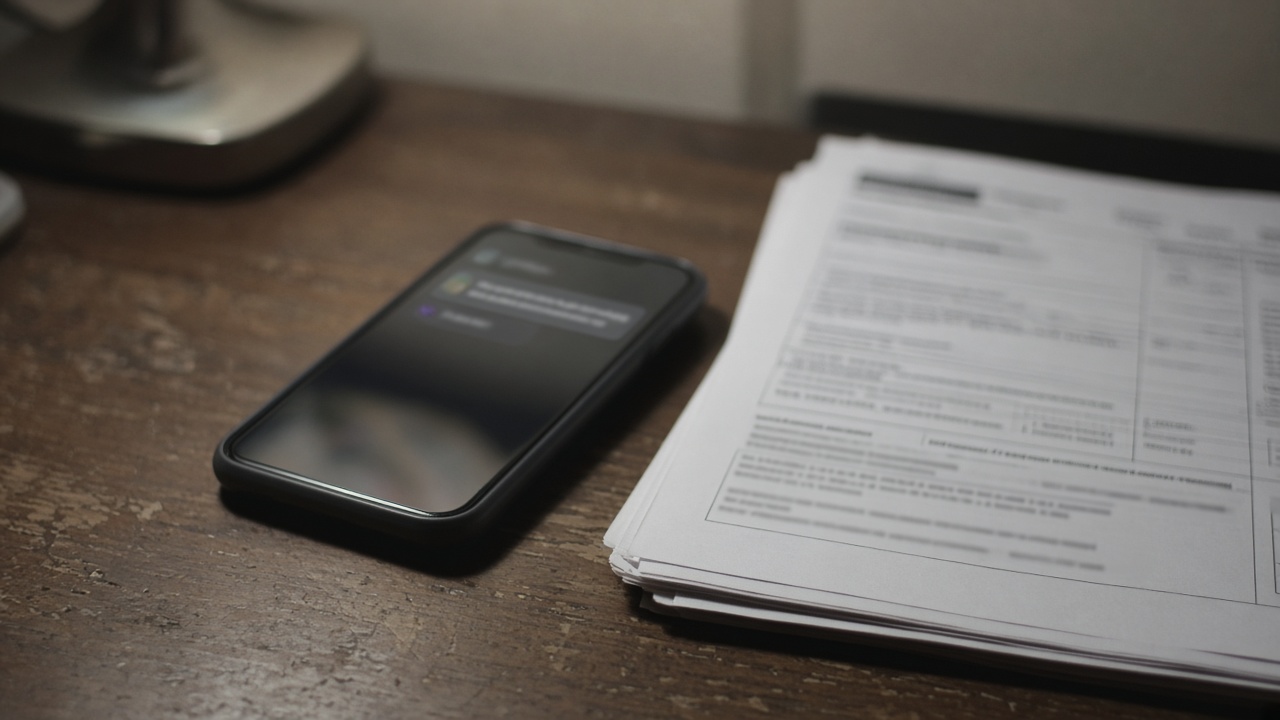
HMRC warned on Tuesday that fraudsters are flooding UK phones with smishing texts about cryptoassets declarations, impersonating the tax authority as households brace for John Healey’s budget and self-assessment season.
The department said reports of messages asking for extra information to “complete” a cryptoassets declaration have increased sharply. Criminals hope budget headlines make any tax-related ping feel plausible, especially among investors who traded digital assets during volatile markets this year.
How the scam works
Typical texts include links to fake GOV.UK pages that harvest National Insurance numbers, gateway credentials and bank details. Some variants promise refunds if victims “verify” wallet addresses. HMRC stressed it might text taxpayers to point them toward genuine guidance on gov.uk, but will never ask for personal or financial data by SMS.
Security teams inside banks have seen parallel phishing emails referencing capital gains on crypto, timed to coincide with media coverage of fiscal statements. Action Fraud reminds victims to forward suspicious texts to 60599 and emails to phishing@hmrc.gov.uk before deleting the thread.
Why budget week matters
Previous scam waves clustered around January self-assessment deadlines and autumn statements. Fraudsters scrape public social posts about “budget day” stress to tune their lures. With crypto reporting rules tightening globally, even cautious investors may click if a message cites a declaration they half-remember hearing about on podcasts.
HMRC’s official guidance page was updated on 6 October 2026 to include social-media red flags, reflecting how criminals now impersonate advisers on X and Instagram before moving conversations to SMS.
Protecting yourself
Taxpayers should log into HMRC online services only by typing the address manually or using the official app, never through links in messages. Multi-factor authentication on the Government Gateway blocks many credential-stuffing attempts, but only if users do not approve prompts they did not initiate.
Investors with exchange accounts should separate email aliases for crypto platforms from primary inboxes, reducing the chance a generic HMRC scam matches a real brand name in the same thread list.
Institutional response
UK Finance members have shared indicators of compromise with the National Cyber Security Centre, though consumer SMS fraud remains difficult to shut down because sim farms rotate numbers. Mobile networks participate in the 7726 reporting short code, yet volumes spike faster than takedowns.
Accountants and crypto tax specialists report more client calls this week asking whether declarations are due immediately. Professionals are sending templated reminders that legitimate HMRC contact arrives through secure mailboxes, not urgent texts on the morning of a budget.
If you already clicked
Anyone who entered details should reset passwords, notify their bank and report to Report Fraud online. HMRC operates a dedicated team for personal data disclosures. Early reporting helps banks freeze outbound payments before mule accounts drain funds.
Budget day will produce plenty of real policy changes to track. Crypto investors should treat unexpected tax texts as fraud until verified through official channels, no matter how timely the wording looks.