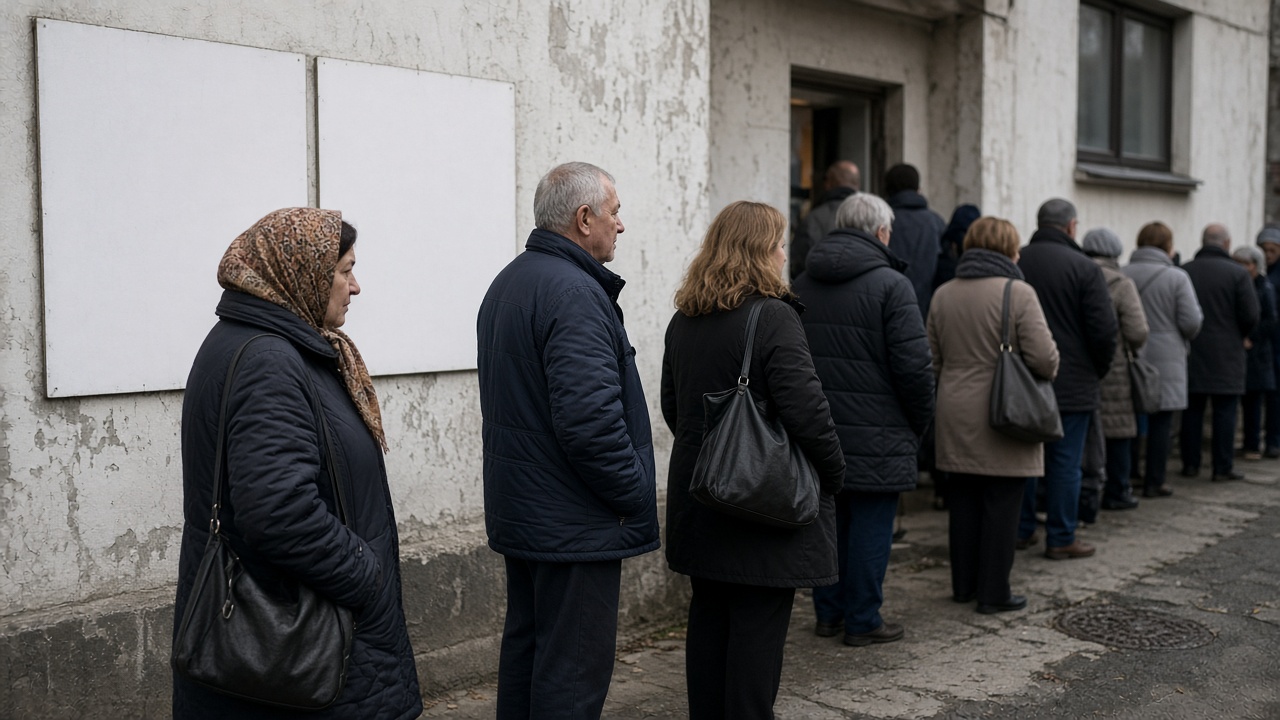
Polling stations opened across Israel on Tuesday for the first parliamentary election since Hamas-led attacks on October 7, 2023, drew the country into a prolonged war in Gaza and, later, a U.S.-backed campaign against Iran. The Central Elections Committee said roughly 7.3 million citizens were eligible to vote for all 120 seats in the Knesset, with most ballot boxes scheduled to close at 10 p.m. local time (8 p.m. GMT).
What voters are deciding
Thirty-seven parties and electoral lists are on the ballot, but no faction has ever won an outright majority. A government needs at least 61 seats, which almost always forces weeks of coalition bargaining after the votes are counted. The committee prepared about 12,018 polling stations and 18,000 ballot boxes, deploying around 100,000 election workers nationwide.
Prime Minister Benjamin Netanyahu is asking voters to keep his Likud-led nationalist coalition in power. His main challengers include Gadi Eisenkot, a former Israel Defense Forces chief of staff who leads the Yashar party, and Naftali Bennett’s Together alliance. Eisenkot’s son, a reservist, was killed in fighting in Gaza in 2023, and he has framed the race as a choice between continuing Netanyahu’s wartime leadership and a different security and governance path.
Stakes beyond the ballot
For Netanyahu, the election is both a political and a legal hinge. He remains on trial in three corruption cases, and he has campaigned while managing wars on multiple fronts and deep domestic division over hostage deals, military service exemptions, and the judiciary. U.S. President Donald Trump has publicly backed Netanyahu’s re-election, including a message to Israel’s president urging favorable treatment in the corruption probes, but the cases remain active in court.
Israeli media reported that tens of thousands of citizens flew home from abroad to vote, and about half a million people were casting ballots for the first time. Hundreds of thousands of soldiers and reservists are also voting, though many of those ballots will not be counted until Wednesday, a factor that could shift late results toward parties with strong military support.
What happens when polls close
Israeli television networks plan to publish exit polls at 10 p.m. local time. Those surveys offer an early read on seat distribution but have missed tight races before. Full official results typically take days, and coalition talks can stretch into months if neither bloc secures a workable majority.
The vote unfolds as fighting continues in Gaza, tensions persist with Hezbollah in Lebanon, and regional fallout from the Iran war still shapes security planning. Whatever coalition emerges will inherit questions over hostage releases, reconstruction in the north and south, and the fiscal cost of years of mobilization.
President Isaac Herzog cast his ballot early Tuesday and urged citizens to participate. “This is a fateful day for the State of Israel,” he said in remarks carried by Israeli broadcasters. Turnout by mid-afternoon will be watched as an early signal of whether protest-fatigued voters or mobilized opposition bases dominate the arithmetic.