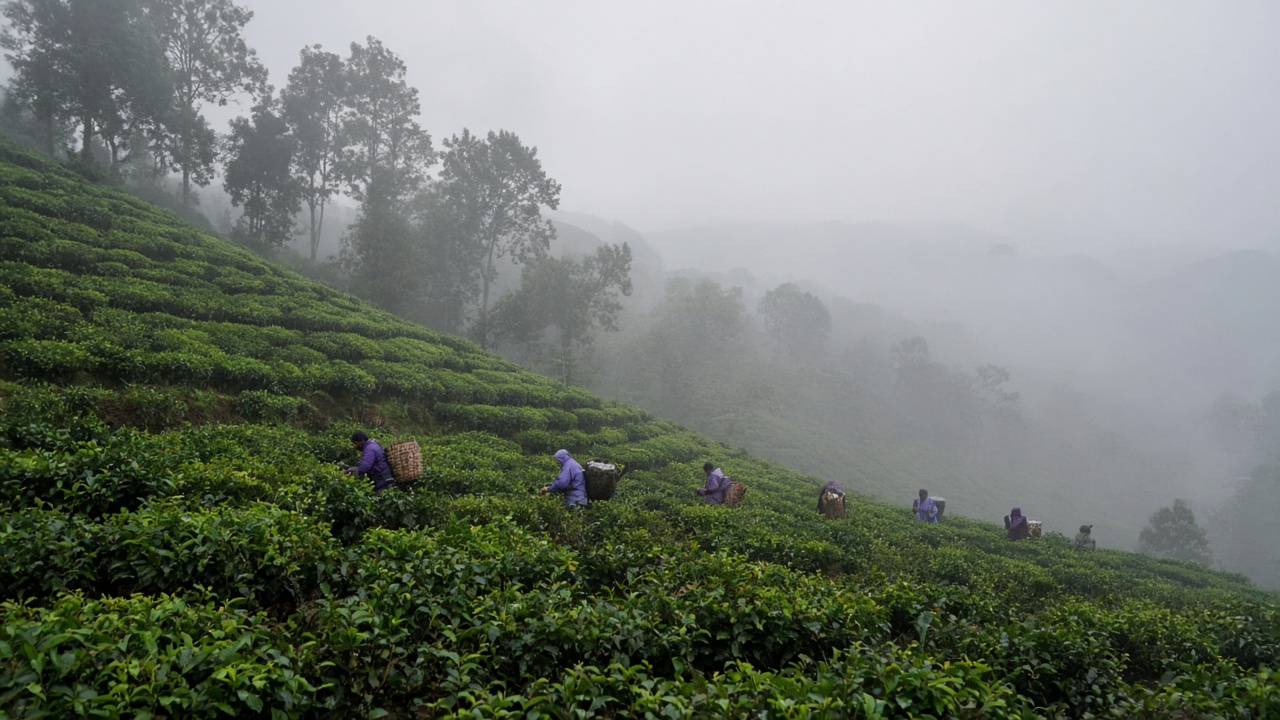
West Bengal’s government tabled the stalled tea wage board report in the state assembly on Monday, reviving a fight over minimum pay for roughly 400,000 plantation workers in Darjeeling, Jalpaiguri, and the Dooars ahead of the winter flush season.
Chief Minister Mamata Banerjee said her administration would back a proposed daily wage near Rs 350 plus inflation-linked adjustments, higher than estate owners’ last offer of Rs 232 but below unions’ Rs 450 demand. Debate is scheduled through Thursday before a floor vote.
Years of deadlock
The central tea wage board last issued a binding award in 2021; estates and unions have fought in court and on highways since. Producers cite weak export prices for bulk tea and rising input costs; unions point to persistent malnutrition indicators in plantation hospitals.
Tabling the report in Kolkata shifts political pressure from New Delhi to Writers’ Building, where Banerjee’s Trinamool Congress faces alliance partners who rely on tribal worker votes in north Bengal.
Estate economics
Darjeeling orthodox tea fetches premium auction prices, but most workers live on plain-leaf estates where margins are thinner. Owners warned that abrupt wage hikes without productivity clauses could accelerate mechanization on flatter Dooars gardens.
The Indian Tea Association’s Bengal chapter said it would study the tabulated report before commenting on compliance costs. Smaller gardens already struggling with bank debt may seek state guarantees to borrow for wage arrears.
Worker mobilization
Unions called a cautious welcome rally in Siliguri, demanding the assembly adopt the report without amendments that cap benefits. They threatened a phased strike during the festive week if owners stall implementation after a vote.
Human rights groups urged inclusion of housing repair funds in any package, citing leaking linesmen quarters documented in a 2025 state human rights commission inquiry.
Political stakes
North Bengal sends 42 legislators to the 294-seat assembly. Banerjee needs plantation belt goodwill before panchayat cycles intensify in 2027. Opposition BJP lawmakers said they would support higher wages but accused the government of delaying until after monsoon losses were socialized.
What happens next
If the assembly adopts the report, estates have 30 days to begin revised payrolls or face labour department penalties. Tea prices at Kolkata auctions will be watched for pass-through to exporters already negotiating 2027 contracts with Japanese blenders.
For readers far from the gardens, the vote is a test of whether Bengal can settle a wage fight without another highway blockade—and whether Darjeeling’s famous cup can still be poured without a labour crisis at the plucking row.