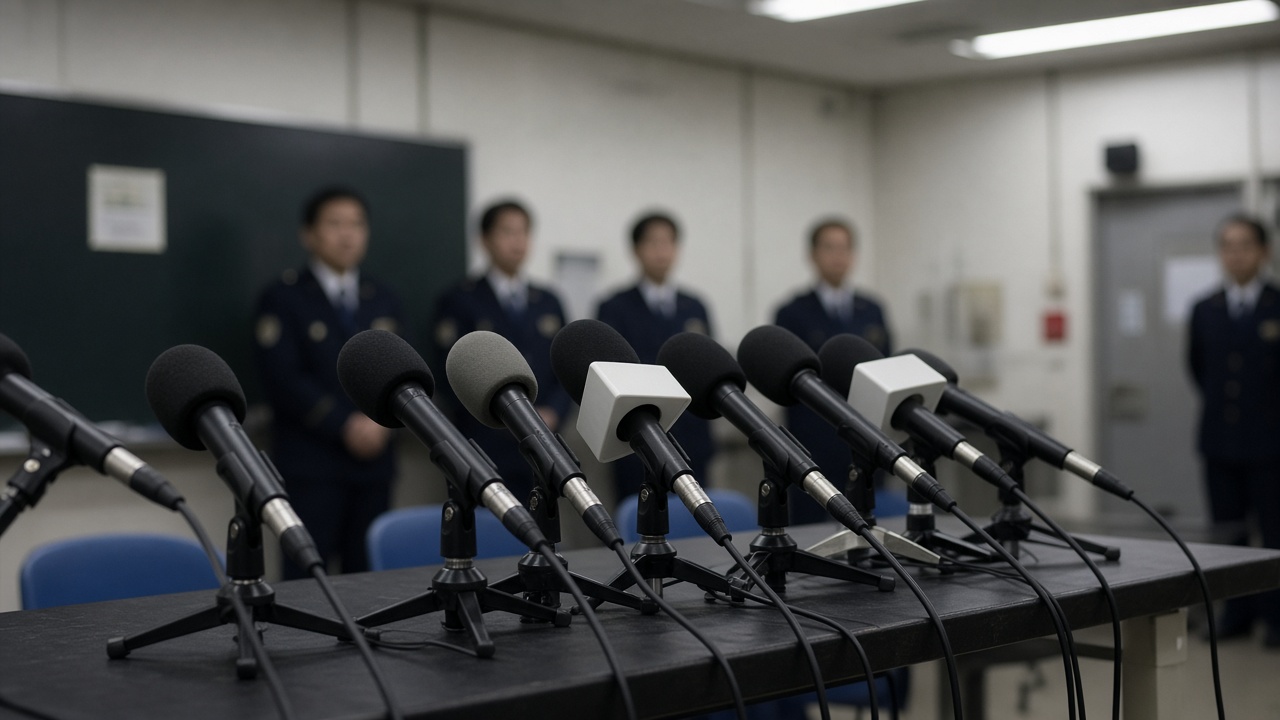
Osaka prefectural police arrested three men ages 28 to 41 on suspicion of laundering proceeds from romance scams through pachinko parlors after victims wired more than 42 million yen to sham investment accounts, the National Police Agency said Monday. Investigators allege the group recruited parlor staff to buy winning balls for cash, breaking bank-transfer trails that began on dating apps.
How police describe the flow
According to the NPA press summary, suspects posed as overseas financiers on social media, cultivated relationships with victims in Kansai, then directed transfers to domestic accounts opened with forged utility bills. Within 48 hours, couriers allegedly bought pachinko balls at three Osaka parlors, cashed out tickets, and delivered yen to a ringleader who police say kept 15 percent as commission.
Detectives recovered ledgers listing parlor names, ball counts, and payout timestamps. The NPA did not identify parlors or staff, citing an ongoing probe into whether hall operators knew the trades were unusual.
Why pachinko appears in laundering cases
Japan’s anti-organized crime laws require financial institutions to flag rapid pass-through deposits, but cash-intensive amusement venues remain a conversion point when criminals want physical yen. The Financial Services Agency has urged pachinko chains to train floor staff on “smurfing” patterns since 2024, though industry groups argue false reports could harm legitimate high-volume players.
Romance scams surged after pandemic isolation, with the NPA recording 3,712 recognized cases nationwide in the first half of 2025. Osaka’s unit created a joint task force with major banks this summer to freeze accounts within two hours of a fraud report, a timeline investigators said was missed in two of the five victims linked to this ring.
What victims face now
Police returned 6.8 million yen frozen at one regional bank; recovery for the remainder depends on civil suits and whether parlors voluntarily surrender surveillance footage. Lawyers for the arrested men could not be reached Monday; none of the suspects has been indicted yet, standard procedure within days of arrest under Japanese criminal practice.
For readers, the case is a reminder that dating-app introductions paired with investment pitches remain an enforcement priority—and that cash-out routes through entertainment venues are explicit targets in Osaka’s current crackdown.
Bank coordination
Resona Bank Ltd. and Sumitomo Mitsui Trust Bank participated in the freeze that recovered partial funds; both declined to comment on specific accounts. The FSA reminded regional banks to file suspicious transaction reports within three business days when elderly customers suddenly wire large sums.
Public outreach
Osaka police will run subway poster campaigns in November showing the pachinko laundering pattern as a flow chart, an unusual level of detail meant to educate clerks. Similar materials in Tokyo last year correlated with a 9 percent rise in tip-line calls, according to NPA statistics.
Legal next steps
Prosecutors typically indict within 20 days of arrest unless extensions are granted. Defense counsel may argue couriers lacked knowledge of upstream fraud; police say chat logs show repeated instructions to “wash” specific transfer amounts.
Victim support
Consumer centers in Osaka will extend counseling hours for romance-scam callers through December. Lawyers volunteer to help victims file civil recovery suits against frozen accounts even when criminal cases are pending.