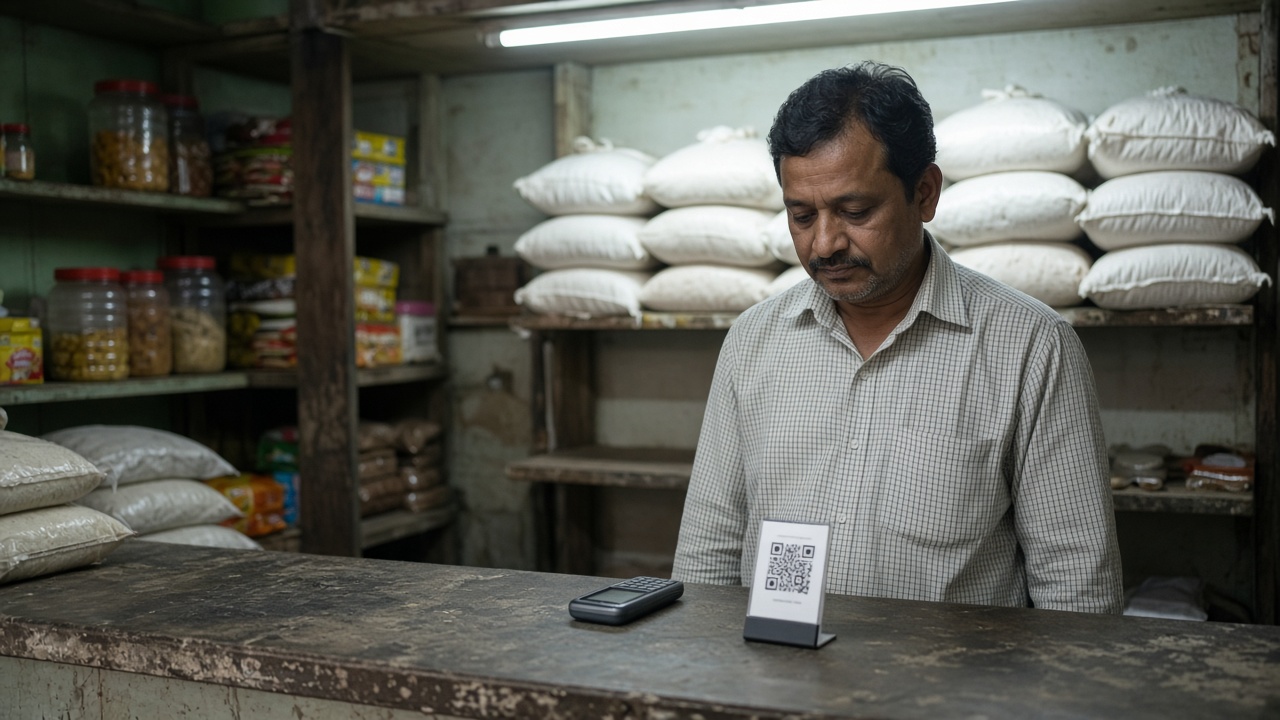
The National Payments Corporation of India expanded a pilot on Monday that lets feature-phone users auto-replenish UPI Lite wallets up to Rs 5,000, doubling the prior Rs 2,500 cap in six states where cash still dominates rural merchant lanes.
UPI Lite keeps small-value balances off the main banking switch to speed checkout. Until now, auto top-up was largely a smartphone affordance. NPCI’s new rules let keypad-phone users link Aadhaar-authenticated mandates so wallets refill when balances fall below Rs 200.
Where the pilot runs
Participating banks and fintechs are testing in Uttar Pradesh, Bihar, Madhya Pradesh, Rajasthan, Odisha, and Chhattisgarh—states where NPCI’s data show high sound-box penetration but lower smartphone UPI adoption among shopkeepers over 45.
PhonePe and Paytm confirmed they enabled the higher cap for select issuer banks; Google Pay said it would join after certification with two private lenders. NPCI requires offline SMS fallbacks when data networks fail during harvest season.
Merchant experience
Kirana associations in Lucknow told InfoHandle that declined payments often happen when Lite balances hit zero during evening rush. Auto top-up reduces awkward retries that push customers back to cash. The Rs 5,000 ceiling matches the daily Lite transaction limit, simplifying compliance training for merchants who memorized older Rs 2,000 caps.
Acquirers must display new voice prompts on sound boxes so customers know when mandates trigger. NPCI warned against dark-pattern defaults that top up without explicit consent recorded on the device.
Risk controls
Because feature phones lack biometric unlock, NPCI limited mandate changes to bank branches or business correspondents with video KYC. Daily auto top-up frequency is capped at twice per wallet, and chargeback windows mirror standard UPI rules.
Fraud teams at HDFC Bank and SBI said they would monitor sudden mandate spikes in border districts where SIM-swap scams rose last quarter. No major losses were reported in the first week of the expanded pilot.
Policy goals
The move supports RBI’s push to keep digital payments inclusive without forcing smartphone upgrades. It also eases pressure on the main UPI switch during festival weeks, when Lite already carries a double-digit share of person-to-merchant volume in tier-three towns.
Rollout timeline
NPCI said it would publish metrics after 60 days and consider a national launch if decline rates fall and complaint volumes stay flat. For now, feature-phone merchants in the six states get a modest but meaningful upgrade: fewer interrupted sales at the counter, and one less reason for customers to reach for folded notes.