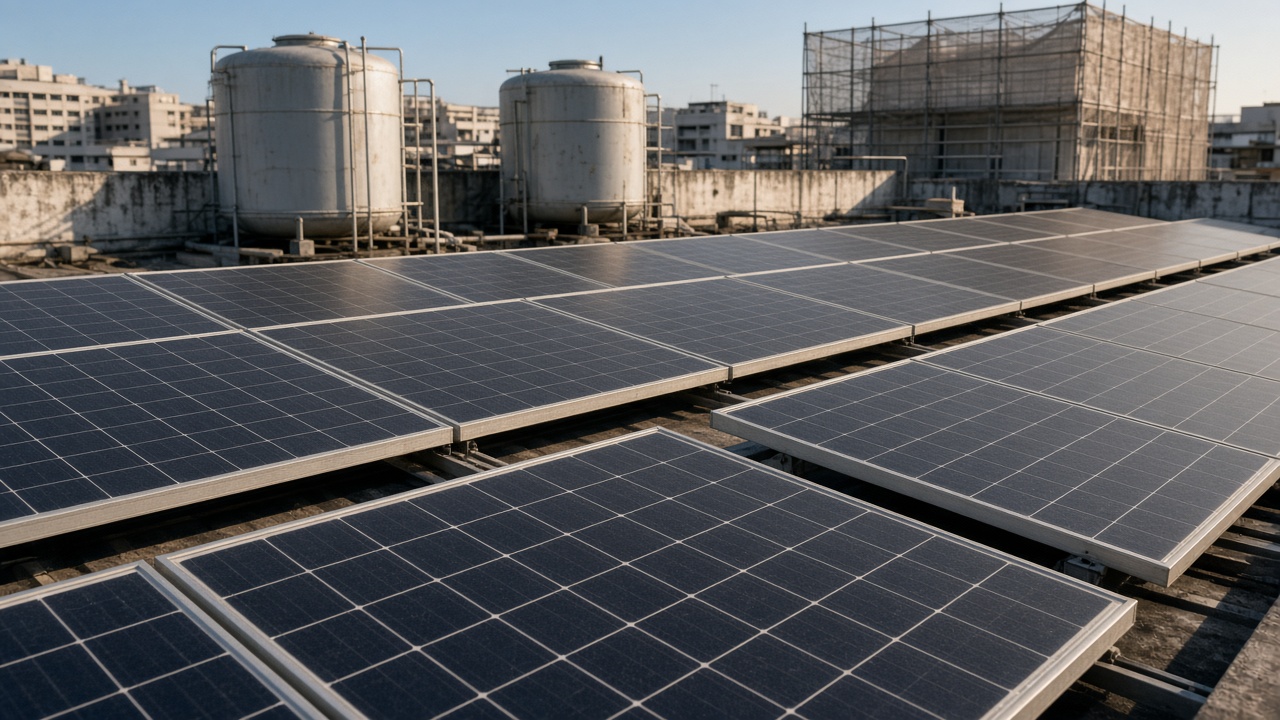
Singapore lifted its 2035 solar ambition to four gigawatt-peak (GWp) on Tuesday (Oct 27), updating a roadmap that previously capped deployments at three GWp by 2030 as the Energy Market Authority and industry partners chase rooftop, reservoir and offshore floating projects.
What four GWp means
Four GWp of peak capacity does not mean the city-state runs solely on sunshine—cloud cover and land constraints limit average output—but it expands the share of locally generated electrons feeding data centres, MRT substations and HDB common services. EMA’s SolarNova programme has been tendering agency rooftops in batches; HDB alone hosts hundreds of megawatts across town blocks whose residents see bills credited through SP Group offsets.
Nurul Aziz tracks technology policy here because solar targets intersect with grid upgrades announced this week. More inverter-connected plants require smarter feeders, the same S$5.3 billion reinforcement package Wei Ling Tan covered on the business desk.
Floating and offshore trials
PUB’s reservoir pontoons and pilot seabed leases off southern islands remain part of the mix. Floating panels avoid competing with warehouse roofs already leased to logistics firms, but maintenance boats and biofouling increase operating costs compared with HDB installations where cleaners already service rooftops monthly.
Household visibility
Most residents experience the target through SP Group green-power tariffs and visible panels atop multi-storey car parks. The updated GWp figure does not by itself cut regulated electricity tariffs, but it supports EMA’s case for importing less peak-time gas when afternoon sun aligns with air-conditioning load.
Jobs and contractors
Local engineering firms employing solar installers and drone inspection teams should see steadier pipelines as agencies bundle tenders. Polytechnics offering photovoltaic technician diplomas may expand intakes if four GWp requires faster commissioning than the prior three GWp timeline implied.
Climate reporting
Singapore’s nationally determined contribution filings cite solar growth as a measurable decarbonisation lever. Investors scoring GLCs on scope-two emissions will watch whether updated targets come with published capacity factors and curtailment data, not just press-release megawatts.
Implementation details—interconnection queues, storage pairings and import cable competition—will arrive in subsequent EMA consultations. For now, the technology headline is the number: four GWp by 2035, up one gigawatt-peak from the prior plan, with public housing rooftops and reservoir floats carrying much of the visible load.
Permitting and neighbour buy-in
Town councils must still consult residents before approving additional panels that shade common corridors or add inverter hum near top-floor flats. EMA’s updated target assumes faster approvals for SolarNova tranches, but opposition in mature estates could delay individual blocks even while national megawatts climb.
Water agency PUB will co-tender floating projects with strict anchoring rules after early pilots showed algae blooms affecting panel efficiency. Maintenance crews will need boat access lanes that do not conflict with reservoir fishing permits—a detail that sounds minor until a weekend angler hooks a mooring line.