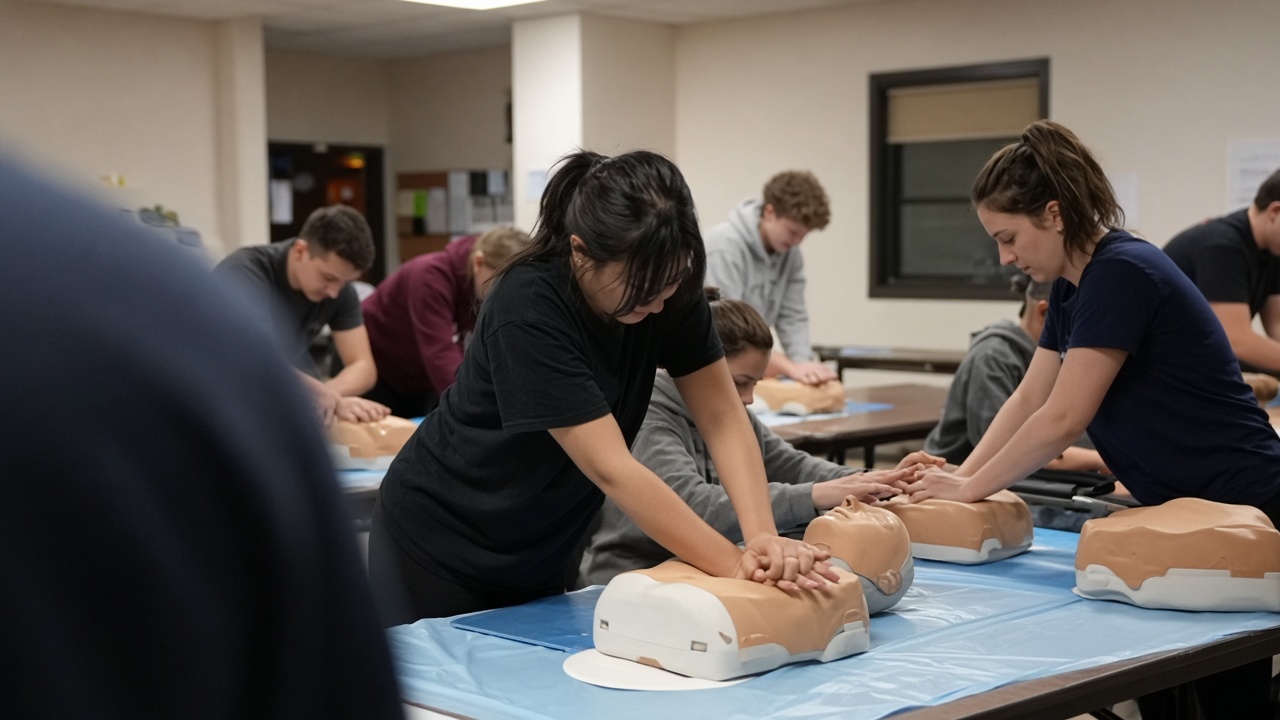
The Ministry of Home Affairs (MHA) rolled out a youth-focused psychological first aid programme on Tuesday (Oct 27), training students and community club leaders to stabilise peers after accidents, bullying incidents or family shocks before clinicians arrive.
Programme design
News aggregators reported that MHA partnered schools and People’s Association outlets to deliver short modules on listening skills, safety planning and referral pathways to Institute of Mental Health and polyclinic mental-health teams. The course mirrors physical first aid logic: lay responders provide immediate support without diagnosing conditions.
Farah Salleh’s health desk notes that youth mental-health visits rose after pandemic years; MHA’s move spreads coping tools beyond counsellor offices that already face appointment backlogs when exam seasons collide with haze-related activity cancellations.
Why Home Affairs leads
MHA coordinates community emergency preparedness, including civil defence youth corps and neighbourhood watch structures. Psychological first aid slots into that mesh when void-deck incidents or schoolyard fights leave bystanders unsure how to help. Trainers emphasise confidentiality and when to escalate to police or ambulance services if self-harm risk appears.
School and CC rollout
Secondary schools and junior colleges can book modular sessions during character and citizenship education weeks. Community clubs in heartland estates—where multi-generational households may hide stress until a crisis peaks—receive bilingual materials in English and mother tongues. Parents receive take-home sheets listing Tel-Mind and Samaritans of Singapore hotlines.
Limits of lay support
MOH reminds the public that psychological first aid does not replace counselling or psychiatric care. Youth volunteers must debrief with adult facilitators after difficult cases to avoid burnout. Schools still need full-time counsellors for sustained therapy; MHA’s programme fills the minutes between a triggering event and professional intake.
Measuring success
MHA will track how many volunteers certify annually and how often they activate referral pathways. Long-term indicators—fewer unmet mental-health appointments, lower youth emergency department revisits—will take years to show. For now, the Oct 27 launch gives neighbourhood networks a vocabulary to support classmates and friends without pretending to be doctors.
Integration with schools
MOE counsellors welcomed the programme but asked for shared referral IDs so youth volunteers do not duplicate intake forms already filed with school welfare officers. MHA said it would pilot a standard escalation code across three regions before national rollout in 2027.
Parents groups requested evening sessions for working adults who support youths after night-shift jobs. Community clubs in Woodlands and Jurong West will trial bilingual night classes in November, with childcare corners sponsored by local merchants.